Cartels Dropped 60,000 Drones Along U.S. Border in Six Months
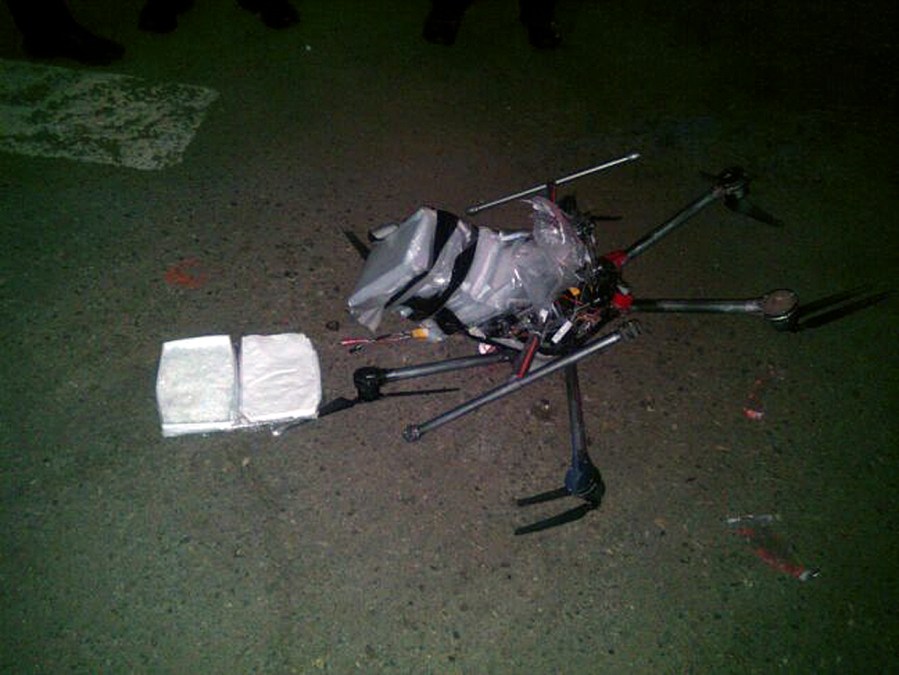
Rising Concerns Over Mexican Drones Near the U.S. Border
Every day, an average of 328 Mexican drones are reported to be coming within 500 meters of the U.S. border. This growing trend has sparked significant concern among border authorities and law enforcement agencies. The primary worries include the safety of border agents and the potential for dangerous drugs to enter the country undetected.
Steven Willoughby, deputy director of the Department of Homeland Security’s counter-drone program, emphasized that transnational criminal organizations frequently use drones to transport illicit narcotics and contraband across the U.S. border. These drones are also used for hostile surveillance of law enforcement activities.
Increasing Threats from Cartel Drones
Willoughby testified before the Senate’s Judiciary Committee about the expanding threat posed by cartel drones. Since the start of July to the end of December 2024, federal authorities detected 60,000 drone flights just south of the border, with 27,000 unique remote-controlled crafts involved in these operations. Most of these drones operate at night or at altitudes that are restricted in both Mexico and the United States. In the U.S., the altitude limit is 400 feet, while in Mexico, it is 120 meters. This height allows Mexican drone operators to monitor U.S. Border Patrol agents’ movements and potentially redirect migrants or find locations to drop drugs for later retrieval.
Cartels Using Drones for Surveillance and Attacks
Willoughby highlighted how drug cartels have used drones to conduct attacks on each other and even on Mexican authorities. In January, members of transnational criminal organizations attacked a column of Mexican soldiers and police officers in Chihuahua, wounding two public servants. In August, two Mexican soldiers were killed by explosives dropped from a drone in Michoacan state.
“Warring cartel factions have attacked one another using drone-delivered explosives, and it's only a matter of time before Americans or law enforcement are targeted in the border region,” Willoughby warned.
Potential Risks to Public Events
The concerns extend beyond the border. Judiciary Committee Chair U.S. Sen. Chuck Grassley and ranking member U.S. Sen. Richard Durbin expressed worries about “bad actors” not only spying on law enforcement and smuggling drugs through the air but also targeting crowds at sporting events or high-profile events such as the World Cup soccer tournament or the Olympic games in Los Angeles in 2028.
Both committee leaders hope Congress will soon pass legislation to provide federal officials with more judicial authority and funding to counter drone threats. Durbin suggested that the Trump administration could have allocated resources for counter-drone efforts instead of focusing heavily on the deportation of undocumented immigrants.
Response from Mexican Authorities
When asked about the information on cartel drones by the Department of Homeland Security, Mexican President Claudia Sheinbaum Pardo stated she had “no information” on the alleged drone flights during a news conference in Mexico City.
Collaborative Efforts Between U.S. and Mexican Agencies
Federal agencies are working with the Mexican government to address the increasing use of drones by transnational criminal organizations. Michael Torphy, supervisory special agent for the FBI’s Counter Unmanned Aerial Systems unit, explained that they are collaborating with Mexican armed forces and law enforcement to train them in drone exploitation. They are also sharing best practices to keep them safer in their fight against cartels and bringing back the knowledge gained to better prepare for what is happening in Mexico.
Legislative Measures to Address Drone Threats
Federal officials urged senators to extend the limited, temporary authority provided under the Preventing Emerging Threats Act of 2018, which expires in September. They also recommended modernizing and making the law permanent. The act allows DHS and Department of Justice agencies to track drones deemed as possible threats, identify and contact operators, electronically jam the craft without consent, and in extraordinary circumstances use reasonable force to disable the unmanned aircraft systems (UAS).
As the situation continues to evolve, the need for coordinated and effective measures to counter the growing threat of cartel drones remains critical.

Post a Comment for "Cartels Dropped 60,000 Drones Along U.S. Border in Six Months"
Post a Comment