Caribbean Homes, Foreign Passports
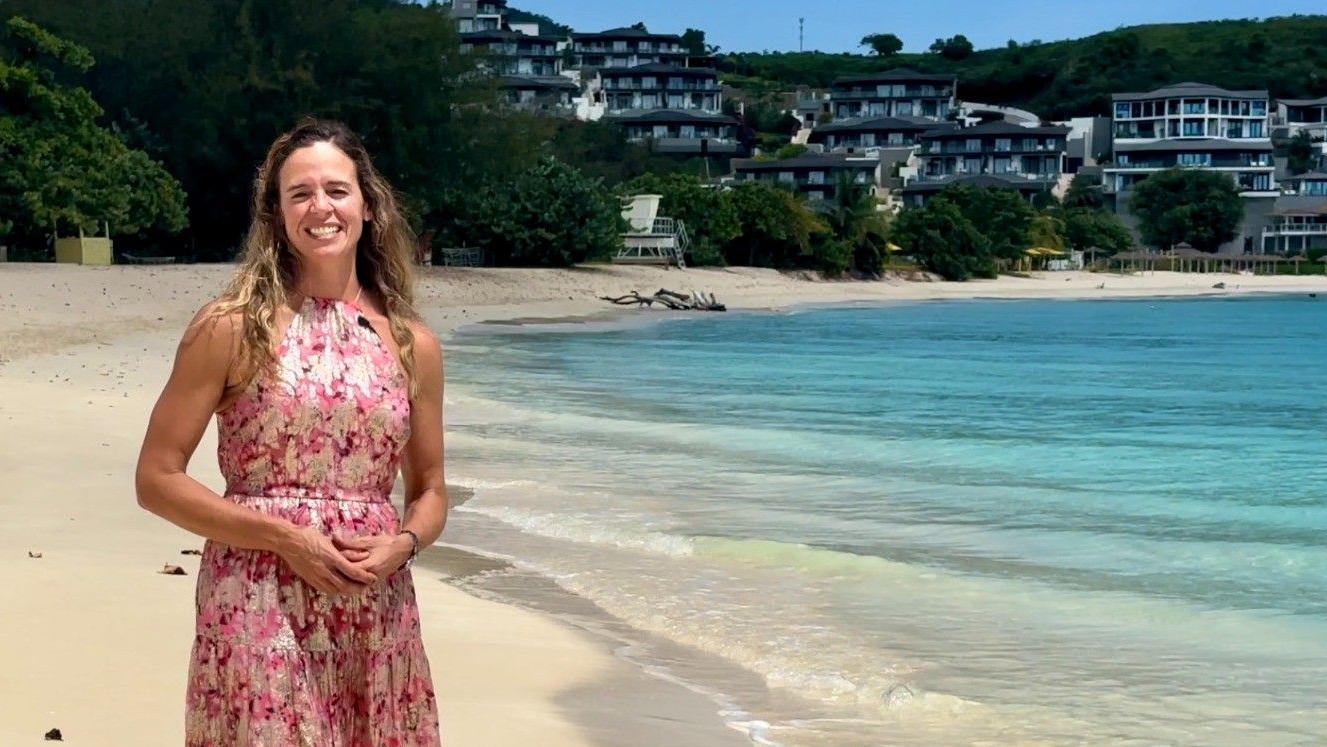
The Rise of Caribbean Citizenship by Investment
In the Eastern Caribbean, the allure of buying a home is no longer just about beautiful beaches and a relaxed lifestyle. More property listings are now offering something extra: a passport. This trend is being driven by political and social instability in the United States, which has led to a surge in interest in citizenship by investment (CBI) programs across the region.
Five island nations—Antigua and Barbuda, Dominica, Grenada, St. Kitts and Nevis, and St. Lucia—offer CBI programs that can be accessed for as little as $200,000. These programs provide buyers with a passport that grants visa-free access to up to 150 countries, including the UK and the Schengen area. For wealthy individuals, the lack of taxes such as capital gains and inheritance, and in some cases income tax, adds to the appeal. Additionally, these programs allow buyers to retain their original citizenship.
A Growing Trend Among American Buyers
Real estate agents in Antigua are reporting a significant increase in demand for properties that come with citizenship. Nadia Dyson, owner of Luxury Locations, notes that up to 70% of current buyers are seeking citizenship, with the majority coming from the United States. She explains that while they don’t discuss politics directly, the unstable political environment in the US is clearly a factor.
This trend has been supported by data from investment migration experts Henley & Partners, which reports that US citizens account for the bulk of CBI applications in the Caribbean over the past year. Other frequent applicants include those from Ukraine, Turkey, Nigeria, and China. Overall, applications for Caribbean CBI programs have increased by 12% since the fourth quarter of 2024.
Why Americans Are Considering Second Passports
According to Dominic Volek of Henley & Partners, factors such as gun violence and anti-Semitism have made many Americans feel uneasy. Around 10-15% of these individuals actually relocate, while most see a second citizenship as an insurance policy against potential concerns. The ease of travel provided by Caribbean passports also appeals to businesspeople, who may prefer a more politically stable passport for international travel.
Before the pandemic, the US was not even on Henley’s radar. However, movement restrictions during the pandemic shocked affluent individuals used to traveling freely on private jets, leading to an initial surge in CBI applications. Interest spiked again after the 2020 and 2024 US elections, with political divisions making both Democrats and Republicans wary of the other side.
Personal Stories Behind the Trend
Robert Taylor, a Canadian resident, recently purchased a property in Antigua, planning to retire there later this year. He invested $200,000 before the real estate threshold was raised to $300,000 last summer. For him, the benefits of citizenship extend beyond travel freedom; it also opens up business opportunities.
Despite its popularity, the CBI programs are not without controversy. When the program was first introduced in 2012, some criticized the ethics of selling citizenship. Former Speaker of the House Gisele Isaac recalls protests against the idea of “selling our identity” to outsiders. Other Caribbean leaders, like St. Vincent and the Grenadines’ Prime Minister Ralph Gonsalves, have also criticized the practice, calling citizenship a commodity that should not be sold.
International Concerns and Reforms
The European Union has raised concerns about the potential misuse of CBI programs, threatening to withdraw visa-free access for Caribbean countries. The EU is monitoring the five programs and has been in talks with local authorities since 2022. It is assessing whether the programs constitute an abuse of the visa-free regime and whether they pose security risks.
Caribbean nations have responded angrily to these claims, asserting that their CBI programs are transparent and well-regulated. Dominica’s Prime Minister Roosevelt Skerrit has described his country’s program as “sound and transparent,” emphasizing efforts to maintain its integrity. The funds generated from these programs have helped finance infrastructure projects, including hospitals and disaster recovery efforts.
New Measures to Address Concerns
In response to international pressure, the Caribbean nations have committed to new measures to strengthen oversight. This includes establishing a regional regulator to set standards and ensure compliance. Agreements with the US include enhanced due diligence, regular audits, mandatory interviews with applicants, and closing loopholes that previously allowed denied applicants to reapply in another country.
Today, passport sales account for 10-30% of the islands’ GDP. In St. Kitts, journalist Andre Huie notes that the CBI scheme is generally well-supported, with the public recognizing its economic value and the government’s ability to use the funds effectively.
Diversifying Investment Options
Beyond property purchases, other routes to Caribbean citizenship through investment include donations to national development funds. These vary by country, with options ranging from $200,000 for a single applicant in Dominica to $250,000 for a main applicant and dependents in Dominica and St. Kitts. In Antigua, investors can also donate $260,000 to the University of the West Indies.
As these programs continue to evolve, the balance between economic growth and international scrutiny remains a key challenge for the Caribbean nations.

Post a Comment for "Caribbean Homes, Foreign Passports"
Post a Comment