CARB Listens, Shares Proposals
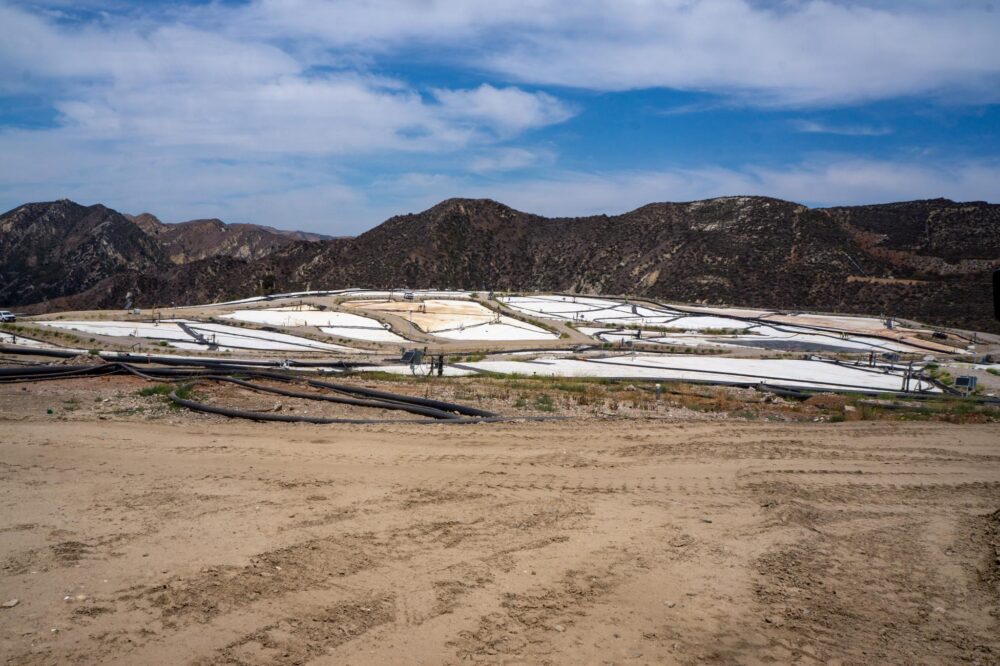
Community Frustrations Over Chiquita Canyon Landfill Emerge at CARB Meeting
Residents from Castaic and Val Verde, deeply affected by the ongoing issues at the Chiquita Canyon Landfill, expressed their frustrations during a recent meeting with the California Air Resources Board (CARB) at College of the Canyons in Valencia. The event aimed to gather community input on the landfill's environmental and health impacts while discussing potential updates to methane regulations.
The landfill has been experiencing an underground “elevated temperature event,” with temperatures reaching approximately 240 degrees Fahrenheit. This condition has led to significant problems, including the landfill sinking, emitting strong odors, and producing over one million gallons of leachate weekly. These issues have raised concerns among nearby residents about air quality and public health.
CARB officials sought direct feedback from residents regarding the landfill’s odors and emissions. They also discussed new proposals aimed at addressing methane, a gas often described as an odorless but dangerous threat. Methane is a potent greenhouse gas that contributes significantly to climate change and can pose serious health risks when released into the atmosphere.
Residents have reported a range of health issues, including headaches, nosebleeds, sore throats, and more severe conditions like cancer and higher rates of miscarriage. These claims are currently under investigation by the Los Angeles County Public Health Department. However, Chiquita Canyon officials have dismissed these concerns, calling a recent health survey a "bogus media stunt."
During the meeting, residents voiced their long-standing frustrations with local officials. One panelist, Nora Lynne Clemmons, who moved to the area in 2019, questioned how the situation had escalated and why officials were still receiving paychecks despite the ongoing problems. She expressed hope for meaningful change but acknowledged that it might be too late.
Another panelist, Darcy Stinson, echoed similar sentiments. He shared his experiences attending numerous public hearings and meetings, appreciating the efforts of those working on the issue. However, he noted that progress has been minimal, and promises of resolution have not materialized.
Officials involved in addressing the problem have admitted they still do not know the initial cause of the elevated temperatures, which could persist for years. Anthy Alexiades, manager of the Short-Lived Climate Pollutant Policy Section for CARB, emphasized the importance of the meeting in understanding community concerns and sharing what is being done to address the issue.
Alexiades mentioned that CARB has been working on updating landfill-methane regulations for several years and aims to present new proposals to the board by the end of the year. Quinn Langfitt, a staff air pollution specialist for CARB, explained the agency's role in monitoring landfills and introduced new methods, including satellite imagery, to enhance monitoring efforts.
Langfitt also highlighted the potential inclusion of carbon monoxide monitoring and visual indicators for thermochemical reactions, which would aid in informed decision-making and prompt action. CARB has invited the public to provide feedback on its new proposals through its website.
Residents continue to demand accountability and effective solutions to the challenges posed by the Chiquita Canyon Landfill. Their voices remain crucial in shaping future policies and ensuring that the health and safety of the community are prioritized.

Post a Comment for "CARB Listens, Shares Proposals"
Post a Comment