Canada Recognizes Palestinian State as U.S. Envoy Travels to Israel
Canada Joins Global Movement for Palestinian Statehood Amid Escalating Crisis in Gaza
Canada has joined the growing list of nations expressing support for the recognition of a Palestinian state, becoming the third major U.S. ally in recent days to take such a step. Following France and Britain, Canada announced its willingness to recognize Palestine at the upcoming U.N. General Assembly in September, provided the Palestinian Authority agrees to certain democratic reforms, including holding elections in 2026.
Prime Minister Mark Carney made the announcement during a news conference in Ottawa, emphasizing that Palestinian President Mahmoud Abbas has committed to these reforms following a “lengthy and robust” discussion. Carney stated that the humanitarian situation in Gaza is “intolerable” and criticized the Israeli government for allowing conditions to deteriorate to this extent.
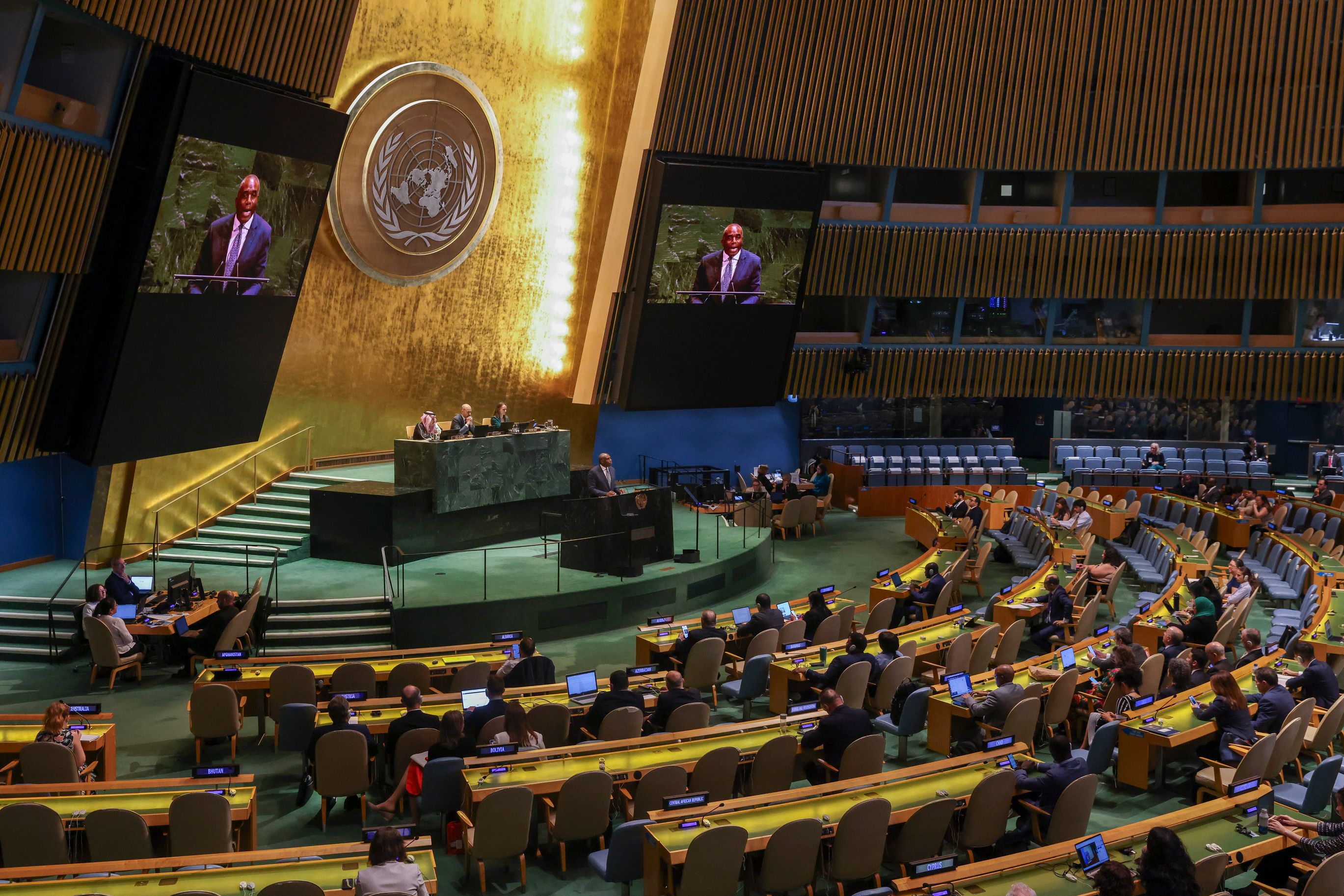
The Canadian decision comes amid a three-day conference at the U.N. headquarters, co-sponsored by France and Saudi Arabia, which urged all member states who have not yet recognized Palestine to do so by September 5, if specific conditions are not met. These conditions include actions directed toward Israel, such as ending the military campaign in Gaza and committing to a two-state solution.
British Foreign Secretary David Lammy also spoke at the conference, stating that the UK would recognize Palestine unless the Israeli government acts to end the crisis and pursue long-term peace. However, both the United States and Israel boycotted the event. The U.S. State Department labeled the conference a “publicity stunt,” claiming it could embolden Hamas and hinder peace negotiations.
In response to the ongoing crisis, the Trump administration announced that its chief negotiator, Steve Witkoff, would travel to Israel to discuss “next steps” in addressing the Gaza situation. However, talks on a ceasefire between Hamas and Israel remain stalled, with both sides pushing back against terms for a temporary truce and the release of hostages held since October 2023.
Humanitarian Crisis Deepens in Gaza
The humanitarian situation in Gaza continues to worsen, with reports of increasing levels of starvation according to the United Nations and aid groups. In response, the Israeli government has begun airdrops of food and announced temporary pauses in fighting to allow for ground delivery. Jordan and the United Arab Emirates have also conducted airdrops, while several European countries have pledged similar efforts.
However, humanitarian experts have criticized the airdrop method, calling it inadequate and dangerous for civilians on the ground. They have urged Israel to lift restrictions on U.N. aid distribution, which remains a critical issue for those in need.
The U.S. and Israel support the Gaza Humanitarian Foundation (GHF), which has distributed food packages in southern Gaza since May, with security provided by U.S. contractors. Critics argue that this system has led to the deaths of hundreds of Gazans due to Israeli military fire, suggesting it serves Israeli war objectives. While President Donald Trump mentioned discussions about “food centers” in Gaza, the White House has not provided further details.
Shift in International Stance on Two-State Solution
For years, the international community, including the United States, has supported the idea of a two-state solution for Israelis and Palestinians. However, former President Trump was less aligned with this approach. During his first campaign, he expressed indifference to regional conflicts, stating that it was up to the parties involved to resolve their differences. In 2020, his administration proposed a plan that would allow Israel to annex parts of the West Bank and maintain control over a diminished Palestinian state.
Palestinian leaders rejected the proposal, and it faded during the final year of Trump’s term. Currently, more than 140 of the U.N.’s 193 members recognize Palestine as a state, though it holds only observer status. The prospect of a two-state solution, opposed by Israeli Prime Minister Benjamin Netanyahu and his right-wing government, has been overshadowed by the ongoing conflict in Gaza, which is approaching its second anniversary.
Global Pressure Mounts for Action
The U.N. meeting, postponed due to the worsening situation in Gaza, aimed to refocus attention on the issue of statehood and push for progress. French President Emmanuel Macron’s announcement of potential recognition of Palestine sparked backlash from the Trump administration. Mike Huckabee, the U.S. ambassador to Israel, called the move “incredibly inappropriate” and suggested France should carve out a piece of the French Riviera to create a Palestinian state.
Not all nations at the U.N. conference declared readiness to recognize Palestine, but many emphasized the urgency of action. Estonian Deputy Foreign Affairs Minister Minna Liina Lind stated, “We are ready to do our part — it has to start today. The road ahead is difficult, but the alternative — continued violence and despair — is unacceptable.”

Post a Comment for "Canada Recognizes Palestinian State as U.S. Envoy Travels to Israel"
Post a Comment