Can Tariffs Fix America's Debt? Trump's Bold Claim Tested by Economics
The National Debt and the Tariff Solution: A Closer Look
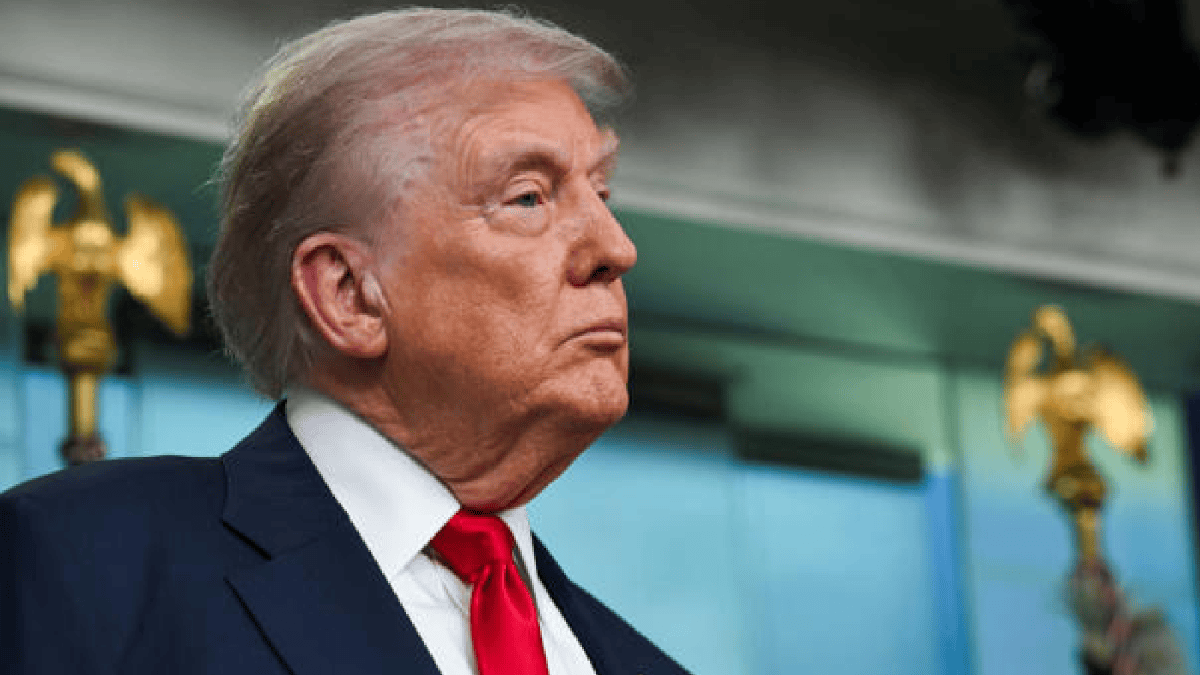
The national debt has long been a pressing issue for American voters and policymakers, representing a massive financial burden that continues to expand. In recent discussions, some political figures have proposed bold solutions, including using revenue from tariffs to reduce the country’s debt. One such proposal came from former President Donald Trump, who suggested that implementing a 10% universal tariff on all foreign goods, along with higher tariffs on Chinese imports, could generate enough money to pay off the national debt while also boosting domestic manufacturing.
This idea, while appealing in its simplicity, has drawn significant criticism from economic experts. The reality is that the scale of the national debt—currently over $34 trillion—is far too large to be addressed by a single policy measure like tariffs. Even if implemented at a high level, the revenue generated would not come close to making a meaningful impact on the overall debt.
How Much Revenue Could Tariffs Actually Generate?
According to an analysis by the Peterson Institute for International Economics, a 10% universal tariff on all imported goods would only generate approximately $300 billion annually. While this amount may seem substantial, it pales in comparison to the size of the national debt. The U.S. government adds more than $1 trillion to the debt each year, meaning that even the maximum possible revenue from tariffs would cover just a small fraction of annual interest payments, let alone the principal.
Economists across the political spectrum agree that relying solely on tariffs as a solution to the debt is unrealistic. They emphasize that the national debt is a complex issue requiring a multifaceted approach. This includes careful management of government spending, tax reforms, and policies aimed at fostering long-term economic growth. Relying on a single source of revenue, such as tariffs, is considered economically unsound and unlikely to yield the desired results.
The Economic Consequences of Aggressive Tariffs
Beyond the question of whether tariffs can pay down the debt, there are serious concerns about their broader economic impact. Implementing a 10% tariff on all imports would likely lead to higher prices for consumers, contributing to inflation. Additionally, other countries might respond with retaliatory tariffs, which could harm U.S. exports and industries that depend on international trade.
The potential for a global trade war is another major risk. Such a scenario could disrupt supply chains, slow economic growth, and negatively affect workers, particularly those in export-dependent sectors. The interconnected nature of the global economy means that aggressive tariff policies could have widespread and unintended consequences.
A More Comprehensive Approach Is Needed
The gap between political rhetoric and economic reality is evident in the debate over tariffs as a debt-reduction strategy. While the idea of a simple fix is politically attractive, the complexity of the national debt requires a more nuanced and comprehensive approach. Experts stress the importance of disciplined fiscal policy, strong economic growth, and long-term strategies for managing both spending and revenue.
Relying on tariffs alone is seen as an oversimplified and potentially harmful solution. It may resonate with voters looking for clear answers, but it fails to address the underlying challenges of the national debt. Instead, a more realistic approach would involve a combination of measures, including structural reforms and sustainable economic practices.
Conclusion
While the idea of using tariffs to solve the national debt is bold and memorable, a closer examination reveals that it is not a feasible solution. The numbers simply do not add up, and the potential economic consequences are too great to ignore. Addressing the national debt requires a thoughtful, multifaceted strategy that moves beyond simplistic proposals and embraces the complexity of the economic landscape. Only through sustained effort and informed policymaking can the United States hope to manage its growing debt responsibly.

Post a Comment for "Can Tariffs Fix America's Debt? Trump's Bold Claim Tested by Economics"
Post a Comment