Camas Weighs Ban on Camping and Personal Items in Public Areas
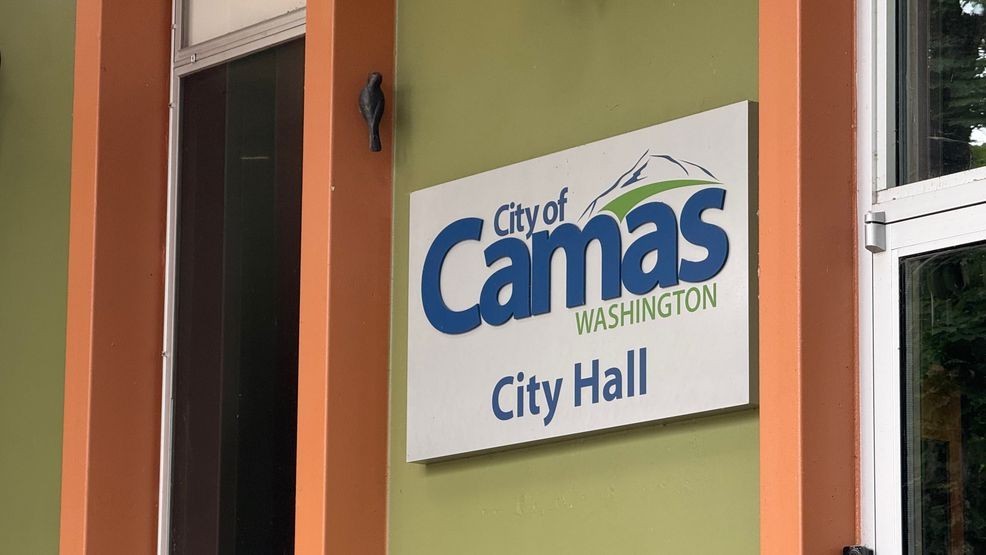
New Ordinance to Address Camping on Public Property in Camas
The City of Camas is preparing to review a new proposed ordinance that would prohibit camping and the storage of personal belongings on public property. This initiative comes in response to a significant legal development from the U.S. Supreme Court, which recently ruled in City of Grants Pass v. Johnson that local governments can enforce anti-camping laws without violating the Eighth Amendment. This decision marks a shift from previous rulings, such as Martin v. City of Boise, where the Ninth Circuit Court of Appeals had determined that enforcing similar bans could be considered cruel and unusual punishment.
The proposed measure in Camas aims to address concerns raised by residents regarding safety and access to public spaces. According to city officials, there have been multiple complaints about individuals setting up camps on public land, which has led to a decline in public safety and discouraged community members from using parks and other amenities. The city hopes this new law will help restore a sense of order and cleanliness in shared spaces.
Key Provisions of the Proposed Ordinance
The ordinance includes several important provisions designed to manage camping activities effectively. It would prohibit camping and the storage of personal items in parks, streets, public buildings, and other public areas. Additionally, it would ban living in motor vehicles on public property, with exceptions for city-sanctioned events and temporary emergency shelters during severe weather or disasters.
Law enforcement would be granted additional tools to enforce these rules, particularly in sensitive areas such as those near waterways and densely wooded regions. The city also emphasizes the importance of compliance with the Americans with Disabilities Act, ensuring that sidewalks and doorways remain clear of any camping activity.
Enforcement and Penalties
Violators of the new ordinance would first receive a notice and an opportunity to cease their illegal activity before being cited. Fines could reach up to $100 for a first offense and $200 for a second offense within a year. Repeat offenders might face a 30-day exclusion from the public property involved. Further violations could lead to criminal trespass charges, which are classified as a misdemeanor and could result in fines up to $1,000 or imprisonment for up to 90 days.
Before removing any campsites, the city plans to post a 72-hour notice unless the site poses an immediate health or safety risk. Personal belongings left behind would be stored for at least 60 days, allowing owners to reclaim them.
Challenges and Community Impact
Despite the city’s intentions, officials acknowledge that challenges remain, especially concerning the lack of resources for individuals experiencing homelessness, mental health issues, or substance addiction. Affordable housing shortages in Clark County and surrounding areas exacerbate these difficulties.
In March, the city of Vancouver implemented an emergency declaration that led to the closure of West Mill Plain Boulevard's sound wall to campers. Dozens of people who lived there were required to relocate, with almost half accepting shelter services offered by the city. Two individuals were not eligible for housing at the time.
Public Engagement and Next Steps
Residents interested in participating in the discussion about the proposed ordinance can attend the Camas City Council meeting. The meeting will be held publicly via Zoom on Monday, August 18, at 7:00 p.m. Those unable to attend in person can still engage with the process through the city’s online platform.

Post a Comment for "Camas Weighs Ban on Camping and Personal Items in Public Areas"
Post a Comment