California's progressive politics halted Sacramento's downtown soccer stadium | Opinion
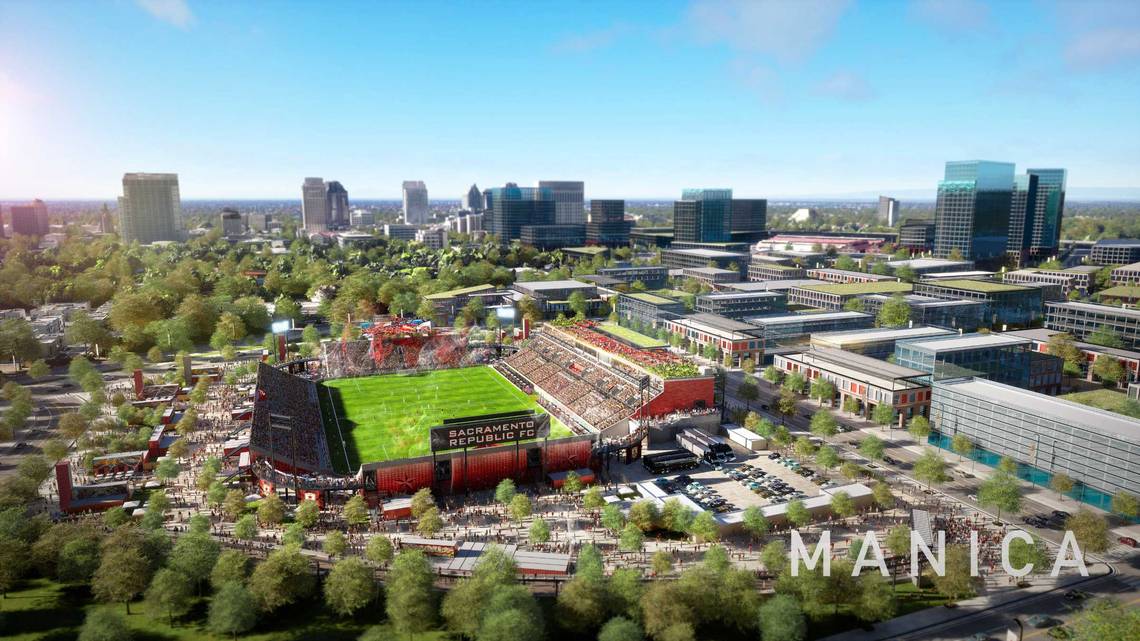
The Struggle Over Sacramento’s Railyards
Sacramento's Railyards, a once-thriving area that has been largely dormant for years, is facing a major setback in its revitalization efforts. The public financing plan intended to bring life back to the district is currently dead for at least a year due to a unique and controversial situation involving a small group of residents. These 135 individuals have managed to exert disproportionate influence over the city’s development plans, leveraging a specific provision of California law that allows them to block proposed infrastructure projects.
This situation has raised concerns about the balance between local control and broader community development. The residents in question are located within the Railyards, and they have the right to object to how property tax dollars are allocated in their neighborhood. Despite the fact that the proposed spending includes essential services like roads and sewers—issues that are generally not controversial—the sheer number of objections has stalled any meaningful progress on the financing strategy until 2026.
A Union’s Stance and Hidden Motives
The campaign against the Railyards financing plan has been led by Unite Here Local 49, a labor union that claims the main issue is the lack of affordable housing in the new district. However, critics argue that this explanation doesn’t fully align with the facts. The union’s real motivations may be more complex, especially considering its connection to the Wilton Rancheria, which owns the Sacramento Republic soccer team.
The union’s goal appears to be securing representation for the employees of the Rancheria’s Sky River Casino in Elk Grove. By slowing down the funding for the Railyards’ infrastructure, the union is effectively pressuring the tribe to meet certain demands. Yet, despite all the controversy, the union has not managed to secure any additional affordable housing units in the Railyards or elsewhere.
This situation has created an unusual precedent in California history. It is reportedly the first time a community infrastructure project that does not involve raising taxes has faced a successful campaign against it.
The Role of Property Taxes in Infrastructure Development
To understand the current impasse, it’s important to look at how cities finance large-scale infrastructure projects. The California Legislature introduced a system known as Enhanced Infrastructure Financing Districts (EIFDs), designed to allow cities to self-finance new water pipes, roads, and other necessary infrastructure. The idea is that future property tax revenues generated within these districts would be reinvested into the district itself, rather than being funneled into the city’s general budget.
In the case of the Railyards, the city and local landlords had already established the boundaries of the district. The plan was to use increased property tax revenues to fund infrastructure improvements, ultimately leading to a more vibrant and economically healthy community.
However, last year, the Legislature passed Senate Bill 1140, which significantly changed the rules. This bill, authored by Anna Caballero, D-Merced, allowed residents or landowners within a district to protest any proposed financing plan. If more than half of those affected lodged protests, the plan would be blocked for a full year, preventing any new proposals from moving forward during that time.
Unite Here Local 49 quickly recognized the potential of this law and launched a targeted protest campaign. According to Phil Pluckebaum, a councilman representing the Railyards, “This mechanism has never been used before.”
The Impact on the Railyards
Currently, the Railyards are sparsely populated, with only around 249 residents and landowners. Most of them live in two complexes: the Wong Center and the A.J. Apartments. City spokesperson Jennifer Singer confirmed that the city received 135 protests in total, which is enough to halt the entire project.
Pluckebaum warned that if the financing plan remains blocked, the residents of the A.J. and Wong Centers could be left in an area that is essentially a dirt field, with no amenities such as a soccer stadium, entertainment venues, or shops.
A Possible Countermove
Despite the challenges, there may be a way for the city and the Wilton Rancheria to regain control. One strategy being considered is to rework the boundaries of the financing district in a year and exclude the current protesters. If the City Council approves a new plan without these residents, they would no longer have the power to block it.
This tactic could potentially circumvent the current stalemate and allow the Railyards to move forward. Meanwhile, the Wilton Rancheria remains committed to its plans. A leader of the Sacramento Republic F.C. has stated that the team hopes to break ground on its new stadium and begin playing in the Railyards by 2027.
The Bigger Picture
If the issue is truly about affordable housing, then the union and the 135 residents should be working with the city to find solutions that benefit everyone. Instead, they seem to be using the protest mechanism as a political tool to advance their own interests.
While they may have won a short-term battle, the Railyards represent a critical opportunity for the region. They cannot afford to remain idle as a pawn in a larger political struggle. The long-term vision for the Railyards must take precedence over temporary disputes.

Post a Comment for "California's progressive politics halted Sacramento's downtown soccer stadium | Opinion"
Post a Comment