California Promises 270-Day Permit for Renewables — Developers Still Waiting
The Struggle for Renewable Energy in California
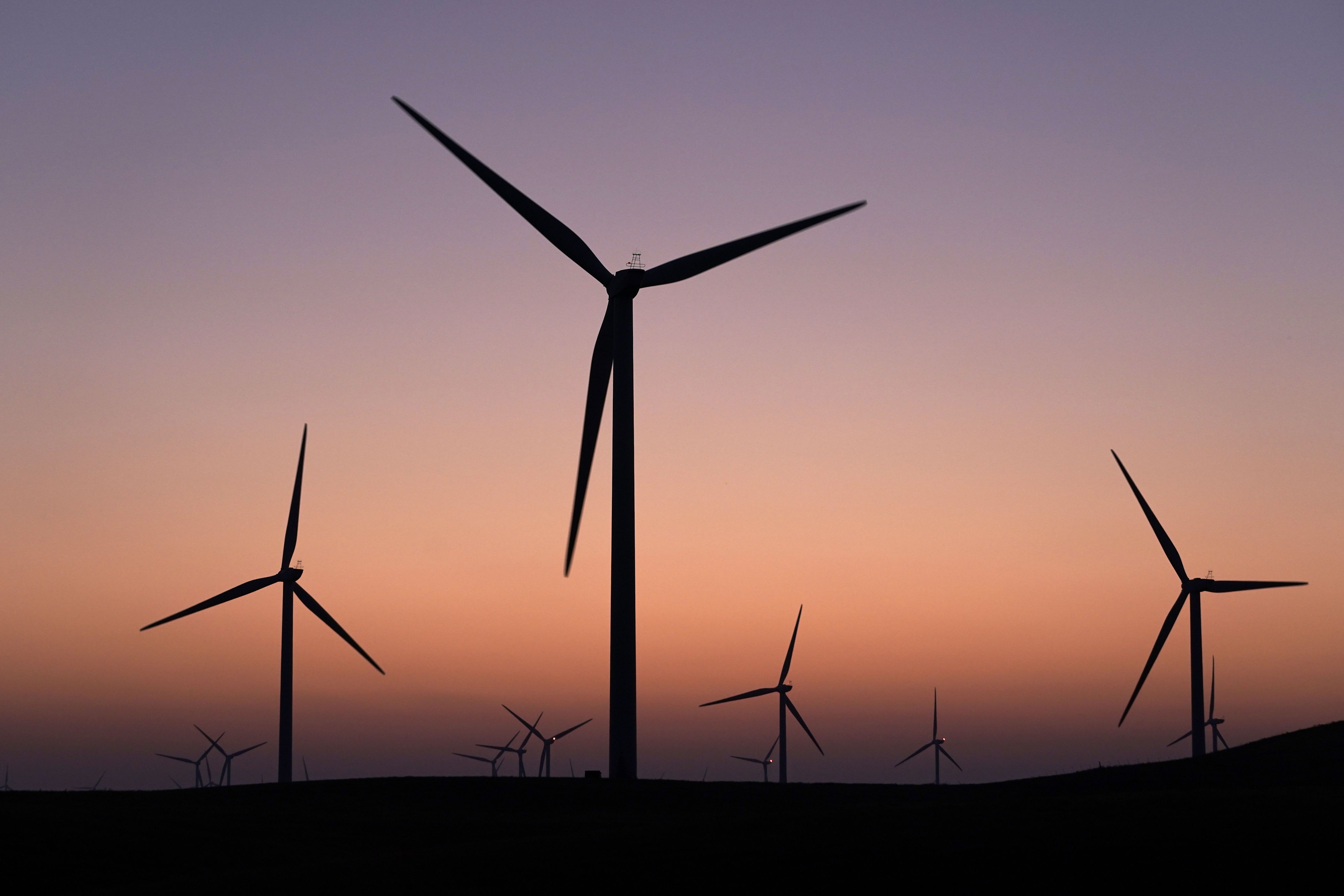
A wind power farm in the mountains of far-Northern California was one of the first projects to enter a new permitting streamlining program, which promised renewable energy developers that once an application was complete, the California Energy Commission (CEC) would make a final ruling within 270 days. However, more than 650 days have passed since the Fountain Wind project submitted its application, and the agency has yet to finalize its decision. This delay has sparked frustration among renewable energy advocates and highlighted the challenges facing California’s clean energy goals.
Fountain Wind, which aimed to build 71 wind turbines on 4,500 acres of land in unincorporated Shasta County, initially faced opposition from local officials. Mary Rickert, then a member of the Shasta County Board of Supervisors, expressed concerns about the potential impact of the turbines on firefighting efforts, citing the devastating Fountain Fire of the 1990s. Local opposition led to the project being denied by county planners and the board of supervisors.
However, the CEC's opt-in program, introduced as part of AB 205, offered a different path. ConnectGen, the developer of Fountain Wind, applied with the CEC, hoping to bypass local restrictions. The project was deemed complete in October 2023, initiating the 270-day review period. But local officials had one more strategy: they changed zoning laws to prohibit large wind facilities in unincorporated areas. Additionally, the Burney Water District, serving a nearby community, withdrew its permission to supply water to the site, undermining the project’s plans.
In March 2024, the CEC notified the developer that due to a "substantial change" in the water supply, the review timeline would be extended. By March 2025, the CEC staff recommended denying the project, arguing that a battery energy storage system would be a more prudent alternative. Despite this, Repsol, which acquired ConnectGen, continues to support the project, emphasizing its contribution to clean energy commitments.
The delays and challenges faced by Fountain Wind have raised concerns among renewable energy leaders. Alex Jackson, executive director of the American Clean Power Association, argues that the state must act decisively to meet its clean energy targets. He points to the need for faster approvals, especially amid rising demand and federal challenges to wind and solar projects.
In response to these issues, state Sen. Josh Becker has introduced SB 254, a bill that aims to streamline the permitting process. It includes provisions to establish a presumption that projects benefit local governments, extend the deadline for applications, and provide a 30-day window for the CEC to request additional information. Becker emphasizes the need to balance environmental protection with timely project approvals.
The CEC maintains that the opt-in program is functioning as intended, pointing to the successful completion of the Fresno County Darden Clean Energy Project within the 270-day window. However, critics argue that the current framework is not sufficient to meet the state's ambitious clean energy goals.
As the legislative session approaches its end, lawmakers are considering further measures to expand the CEC’s authority, including AB 531, which would allow the commission to certify geothermal power plants. Meanwhile, local government advocates remain wary of state overreach, fearing that it could undermine their ability to address community concerns.
The debate over the future of renewable energy in California reflects broader tensions between state-level initiatives and local governance. As the CEC prepares to make a final decision on the Fountain Wind project, the outcome will likely influence the direction of clean energy development in the state for years to come.

Post a Comment for "California Promises 270-Day Permit for Renewables — Developers Still Waiting"
Post a Comment