Butter from Carbon Tastes Real, Backed by Bill Gates
A New Way to Make Butter
In Batavia, Illinois, a company is revolutionizing the way butter is made. Unlike traditional methods that rely on animals, plants, or oils, this innovative approach uses carbon to create butter. This sustainable method has received support from Bill Gates, a well-known advocate for environmental solutions.
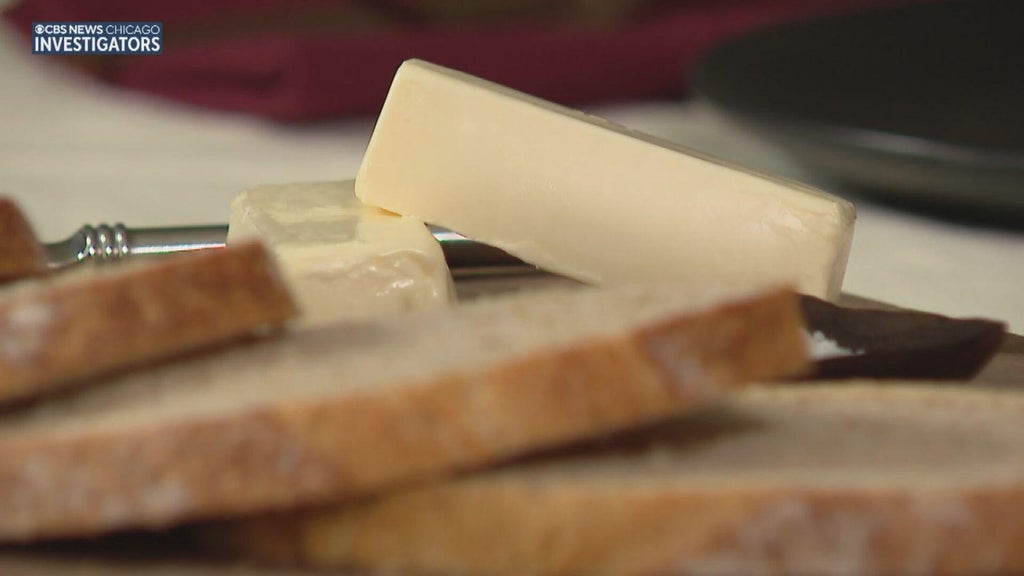
The process results in a product that looks, smells, and tastes like regular butter, but without the farmland, fertilizers, or emissions typically associated with its production. This groundbreaking work is taking place at Savor’s facilities in an industrial park west of Chicago.
Kathleen Alexander, co-founder and CEO of Savor, explains the concept: “So you're using this gas right now to cook your food, and we're proposing that we would like to first make your food with that gas.” The company's technology uses carbon and hydrogen to produce sticks of butter that are familiar to everyone.
Jordan Beiden-Charles, a food scientist at Savor, highlights the uniqueness of their product: “This is pretty novel, to be able to make food that looks and tastes and feels exactly like dairy butter, but with no agriculture whatsoever.” Additionally, the ingredient list is simple and easy to understand, with just fat, water, lecithin as an emulsifier, and natural flavor and color.
How It Works
Fats are composed of carbon and hydrogen chains. Savor’s goal is to replicate these chains without relying on animals or plants. They have successfully achieved this by taking carbon dioxide from the air and hydrogen from water, heating them, and oxidizing them to produce fat molecules similar to those found in beef, cheese, or vegetable oils.
The entire process is environmentally friendly, releasing zero greenhouse gases and using no farmland. Despite its industrial appearance, the process has a significantly smaller footprint compared to traditional agricultural methods.
Alexander notes, “In addition to the carbon footprint being much lower for a process like this, the land footprint is, like, a thousand times lower than what you need in traditional agriculture.”
Taste and Environmental Impact
One of the most important questions is how it tastes. Surprisingly, the butter resembles the one people know and love. Savor also emphasizes that they do not use any palm oil, which is a major contributor to deforestation and climate change.
According to Savor, 7% of the 51 billion tons of greenhouse gases emitted annually comes from the production of fats and oils from animals and plants. This makes their process the most climate-friendly option available.
Currently, Savor is collaborating with restaurants, bakeries, and food suppliers. They plan to release chocolates made with their butter in time for the 2025 holiday season. The company expects that the average consumer will be able to purchase their products in the near future.
Alexander states, “Savor Butter, in either its current manifestation or with our partners, we expect that to be on the shelves kind of more like around 2027.”
Support from Bill Gates
The teams in Batavia and their home lab base in San Jose, California, are supported by billionaire Bill Gates. In his blog, Gates wrote, “The idea of switching to lab-made fats and oils may seem strange at first. But their potential to significantly reduce our carbon footprint is immense.”
Savor believes that their butter can make a difference. Alexander concludes, “This is really about how we feed our species and heal our planet at the same time.”

Post a Comment for "Butter from Carbon Tastes Real, Backed by Bill Gates"
Post a Comment