Buffalo Councilmember Proposes Vacant Schools as Youth Community Hubs
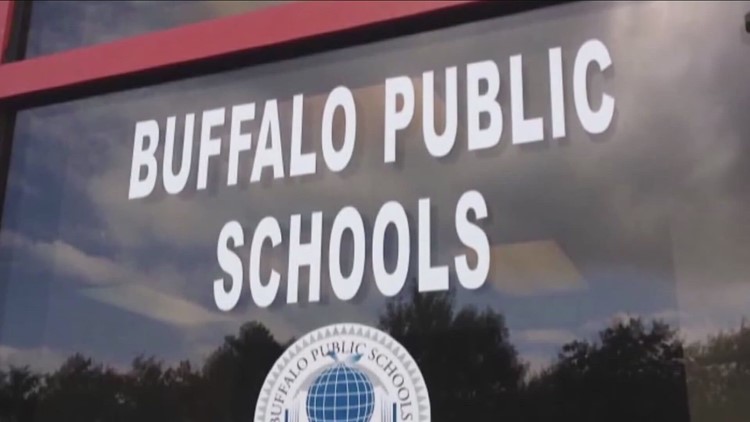
Addressing School Closures and Reusing Vacant Buildings
As the Buffalo public school district faces ongoing budget challenges, discussions about potential school consolidations have begun to gain traction. These conversations suggest that some of the district’s 60 school buildings might eventually be closed. The financial strain on the system has led to difficult decisions, including the use of nearly $79 million from reserve funds to balance the 2025-26 school year budget. Additionally, a drop of over 3,000 students since 2019 has further complicated the district's financial planning.
The situation has sparked debates about the future of certain schools, especially as a new superintendent takes the helm. While the exact number of schools at risk remains unclear, the possibility of closing underutilized buildings is being seriously considered. This move could help the district manage its resources more effectively while also addressing long-term sustainability concerns.
A Focus on Reusing Vacant Spaces
Buffalo Common Council member Zeneta Everhart has voiced her concerns about what happens to school buildings if they are closed. She believes that simply leaving these spaces empty would be a missed opportunity. Instead, she advocates for finding ways to repurpose them so they continue to serve the community, particularly children.
Everhart highlights that there are already numerous youth programs in place across the city. However, many of these initiatives lack a centralized location or a clear point of access. “There is a lot of youth programming happening. People just don’t know about it. And they don’t know about it — why? — because these places don’t have a landing place. They don’t have anywhere to go,” she explains.
She argues that vacant school buildings could become hubs for these programs, providing safe and structured environments for students to engage in activities after school hours. By doing so, the city could not only prevent the waste of valuable real estate but also support local youth in meaningful ways.
Potential Benefits of Repurposing Schools
If closures do occur, reusing the buildings could offer multiple benefits. For instance, they could be transformed into community centers, tutoring facilities, or even spaces for arts and recreation programs. These options would allow the buildings to remain active and relevant, rather than becoming abandoned structures that contribute to urban decay.
Additionally, repurposing schools could help reduce the overall cost of maintaining empty buildings. Instead of spending money on upkeep, the district could redirect those funds toward improving other areas of the education system. This approach aligns with broader efforts to make the school district more efficient and responsive to changing needs.
Looking Ahead
The future of Buffalo’s school system remains uncertain, but the conversation around consolidation and reuse is gaining momentum. As the district works through its financial challenges, it will need to consider both short-term solutions and long-term strategies.
Councilmember Everhart’s vision for using vacant buildings as community assets reflects a proactive approach to addressing the needs of students and families. By exploring creative ways to repurpose school spaces, the city can ensure that these buildings continue to serve a purpose, even if their original function changes.
With the right planning and collaboration, Buffalo’s school buildings could transition from being financial liabilities to valuable community resources. This shift would not only benefit students but also strengthen the broader neighborhood by fostering engagement and opportunity.

Post a Comment for "Buffalo Councilmember Proposes Vacant Schools as Youth Community Hubs"
Post a Comment