British Airways' Shameful Decline
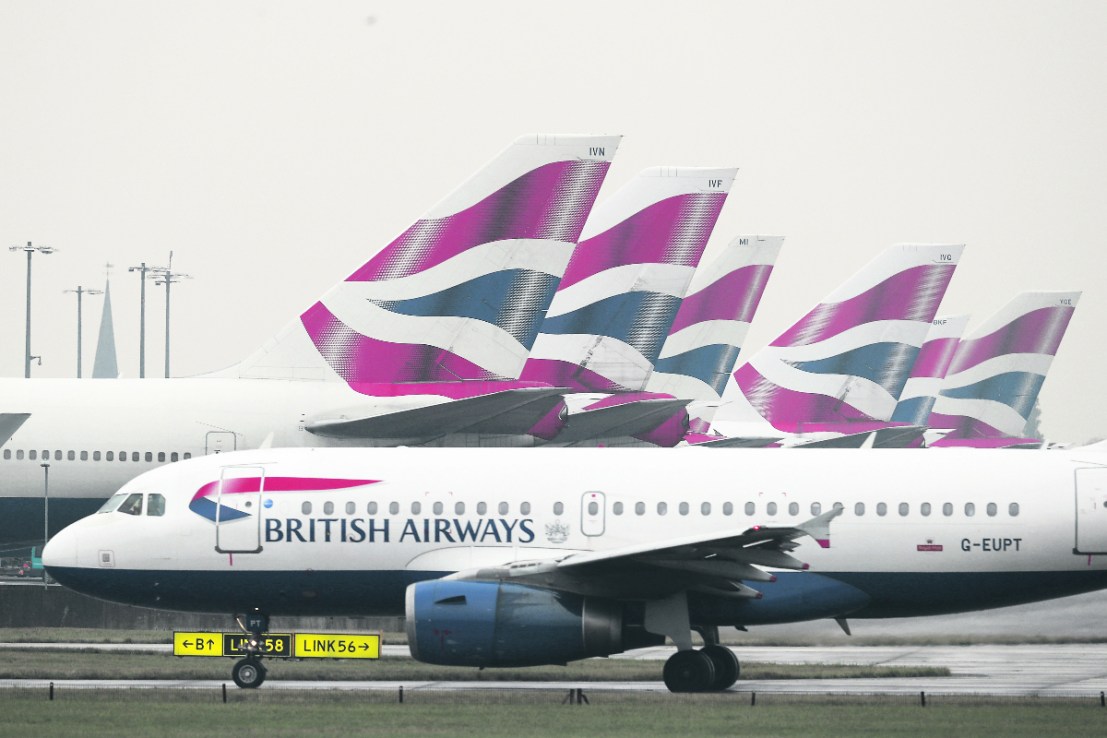
The Decline of British Airways: A National Disgrace
British Airways has long been seen as a symbol of national pride, representing the best of what Britain can offer to the world. However, in recent years, it has become a source of frustration and disappointment for many travelers. The airline, once known for its reliability and premium service, now faces criticism for frequent delays, poor customer service, and an overall decline in quality that does not match the price customers pay.
One notable example is the experience of chess Grandmaster Arjun Erigaisi, who recently shared his "worst experience" with British Airways. He described an involuntary downgrade and a critical baggage delay while traveling to a major tournament. His account highlights how the airline’s service failures are not just minor inconveniences but significant issues that can impact important events. Unfortunately, it seems that British Airways has not responded to such concerns, leaving passengers feeling ignored and undervalued.
Once, flying with British Airways was synonymous with comfort, efficiency, and excellence. Today, however, the airline struggles to meet even basic expectations. Consumer champion Which? consistently ranks British Airways at or near the bottom of its surveys. In 2025, the airline scored 62% for long-haul and 57% for short-haul, reflecting a persistent pattern of underperformance. These results highlight a systemic issue that affects both the quality of service and the value offered to passengers.
For long-haul flights, British Airways tied for last place with Air Canada, scoring just two stars for value, seat comfort, and cabin environment. These are not trivial matters; they are fundamental failings for an airline that claims to be a premium carrier. Passengers expect more than just a seat on a plane—they expect a comfortable and enjoyable journey.
In contrast, flag carriers from other nations, such as Etihad, Emirates, and Singapore Airlines, consistently outperform British Airways. These airlines are not only top performers in terms of service but also serve as powerful symbols of their respective countries' growth and global influence. They strategically use their national carriers to enhance soft power and economic expansion. This raises the question: what does this say about the UK and its flagship airline?
On the short-haul front, British Airways fares no better. It received just two stars for boarding, seat comfort, and food/drink. Moreover, many passengers never even make it aboard. British Airways is notorious for last-minute cancellations, with about two percent of flights being canceled within 24 hours of departure. This rate is higher than the UK average of 1.46 percent across all airports in 2024.
Despite claims of an “18 percent improvement” in operational performance from a £7 billion investment, Which? notes that British Airways has yet to match the performance of most of its rivals. This stark contrast between corporate messaging and passenger reality underscores a growing disconnect between the airline's leadership and its customers.
The sentiment of disappointment is echoed by passengers like Joanne Anderson, a 76-year-old from Belfast. After battling for two months to get a refund for a canceled flight, she expressed her frustration with British Airways. She stated, “To think British Airways is supposed to be the flag carrier – now they are absolutely dreadful. I will never fly with them again if I can possibly avoid it.”
Ultimately, passengers are paying premium prices for what was once a world-leading airline, yet receiving a service that falls far short of expectations. At some point, these customers will seek alternatives, and the airline may face a significant loss of loyalty.
The label of “national disgrace” is not just about individual inconveniences; it reflects a broader sentiment that British Airways, as a flag carrier, should embody national pride and excellence. Unfortunately, it seems that the airline has lost sight of this responsibility.
Strategic Choices and Service Reductions
This decline can be traced back to strategic choices made by British Airways’ leadership. Previous management introduced a model aimed at greater efficiency, which led to the divestment of service elements previously considered integral to its premium offering. For instance, the decision to charge for complimentary services on short-haul flights starting in 2017 marked a shift away from the traditional British Airways experience.
British Airways is not meant to be a budget carrier, and essential amenities like a free G&T remain important. However, the current approach seems to prioritize cost-cutting over customer satisfaction, leading to a noticeable decline in service quality across all cabins.
Personal experiences further illustrate this trend. Recently, I had to use British Airways for a flight to Dubai, ironically for an aviation conference. The sister flight to Abu Dhabi was canceled with just an hour to go, causing a tense wait at the gate. The boarding process was delayed due to a technical issue, resulting in a seat lottery for passengers. I ended up in a middle row in economy after struggling to check in and select a suitable seat for a seven-hour flight—something I’ve only experienced on a Central Asian airline. Although I eventually got upgraded, another passenger was displaced, and I wondered if they received any compensation.
Upon landing, several experts at the conference questioned why I had chosen British Airways. They suggested I should have taken Emirates instead, a recommendation I agreed with. While this might not be a problem for an ordinary airline, it is a significant concern when it comes to the country’s flag carrier.
British Airways should represent the best of British. Unfortunately, it is failing to live up to that expectation. As an aviation consultant, I can only hope that the airline will take the necessary steps to restore its reputation and return to the standard of excellence that once defined it.

Post a Comment for "British Airways' Shameful Decline"
Post a Comment