Breaking Out? This Skincare Ingredient Could Be to Blame
Understanding the Role of Shea Butter in Skincare
Many people often wonder if using numerous skincare and makeup products can irritate their face. For a long time, I believed my skin was resilient enough to handle anything. However, I soon realized that my hormonal acne wasn't the only factor behind my breakouts. It turned out that my skincare routine was filled with ingredients that could clog my pores, and one of the biggest offenders was shea butter.
Shea butter is a popular ingredient, especially among those with dry, coarse, or curly hair. It's known for its moisturizing properties. However, when it comes to the skin, particularly for those with acne-prone or sensitive skin, shea butter may not be the best choice.
What Exactly Is Shea Butter?
Shea butter is derived from the nuts of shea trees, which are native to West Africa. This natural product has been used for centuries, primarily in African households, for both hair and skin care. It's a solid oil that resembles hard soap but becomes soft when warmed. Unlike some other oils, shea butter has a unique ability to both hydrate and seal in moisture. This dual function makes it an effective moisturizer for certain skin types.
The Benefits and Potential Drawbacks of Shea Butter
For many, shea butter is a great option because it contains fatty acids like stearic, linoleic, oleic, and palmitic, which help strengthen the skin barrier and improve elasticity. It also includes vitamins A, D, and E, along with triglycerides, all of which contribute to preventing dehydration and dryness. Additionally, shea butter contains allantoin, which can soothe irritation, making it beneficial for sensitive skin.
However, there are concerns about whether shea butter can clog pores. While it is generally considered non-comedogenic, individual reactions can vary significantly. Genetics play a crucial role in determining how a person’s skin reacts to specific ingredients. Some people might find that shea butter works well for them, while others might experience breakouts.
Who Should Use Shea Butter?
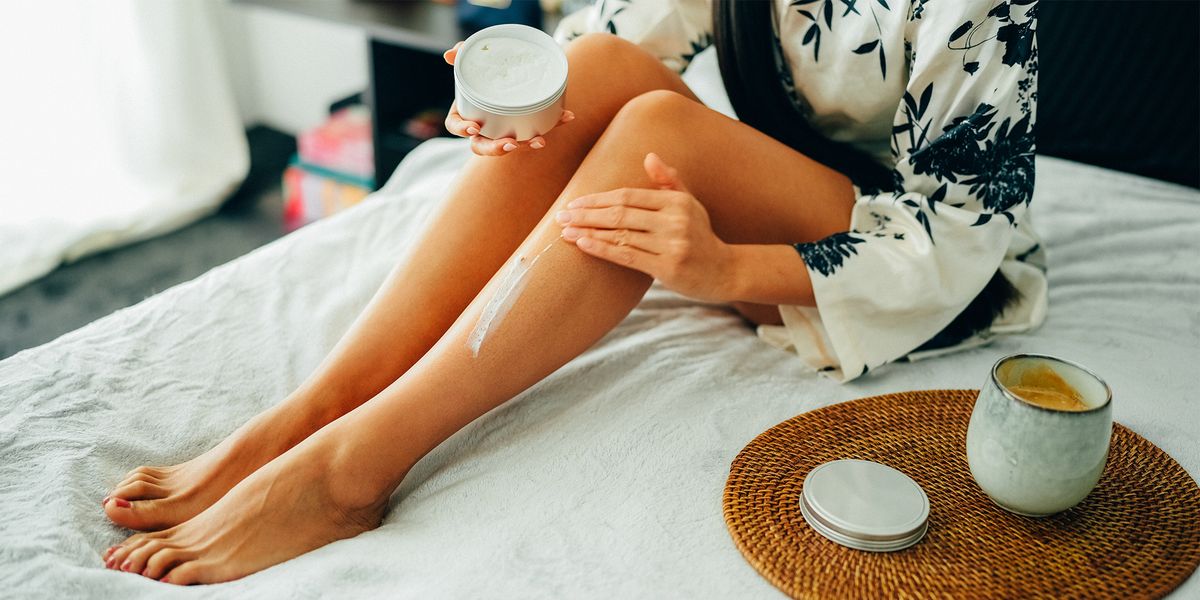
Shea butter is suitable for various skin types, but it may be too heavy for oily skin. Experts suggest that it's best suited for those with very dry skin who don’t typically suffer from acne. This is why shea butter lotions for the body are often popular, as the skin on the body is generally less oily and less prone to breakouts than facial skin.
Shea Butter vs. Coconut Oil
While shea butter and coconut oil may look similar, they have distinct differences. Both contain fatty acids that help moisturize, but their consistency and absorption rates differ. Shea butter tends to make products richer and creamier, while coconut oil is thinner and more absorbent. Moreover, coconut oil is often considered more pore-clogging, as it ranks higher on the comedogenicity scale.
How to Incorporate Shea Butter Into Your Skincare Routine
Using pure shea butter on the skin is possible, but it’s often easier to incorporate it into products that combine it with other ingredients. Shea butter works well in moisturizers and lip products, offering a luscious texture. When using occlusive products, experts recommend layering them on top of a hydrating serum to lock in moisture effectively.
Alternatives to Shea Butter
For those with acne-prone skin, there are alternatives that might be more suitable. Experts like Madalaina Conti suggest products containing bisabolol and glycerin, which are non-comedogenic and non-occlusive. These ingredients provide a similar buttery feel without the risk of causing breakouts.
Final Thoughts
If you have dry, cracked, or irritated skin, shea butter might be an excellent choice for you. However, for those with acne-prone skin, it could potentially lead to breakouts. It's essential to understand your skin type and conduct a patch test before incorporating new products into your routine. Always consult with a professional if you're unsure about what will work best for your skin.
Meet the Experts
Madalaina Conti is an aesthetician based in New York, NY, with extensive experience in treating acne. She has been recognized as one of the best facialists in New York by Cosmo. Krupa Koestline is a biologist and organic chemist specializing in cosmetic chemistry. She founded KKT Consulting, where she assists beauty brands in developing new formulas.

Post a Comment for "Breaking Out? This Skincare Ingredient Could Be to Blame"
Post a Comment