BPD Training Employs Virtual Reality for Real-World Scenarios
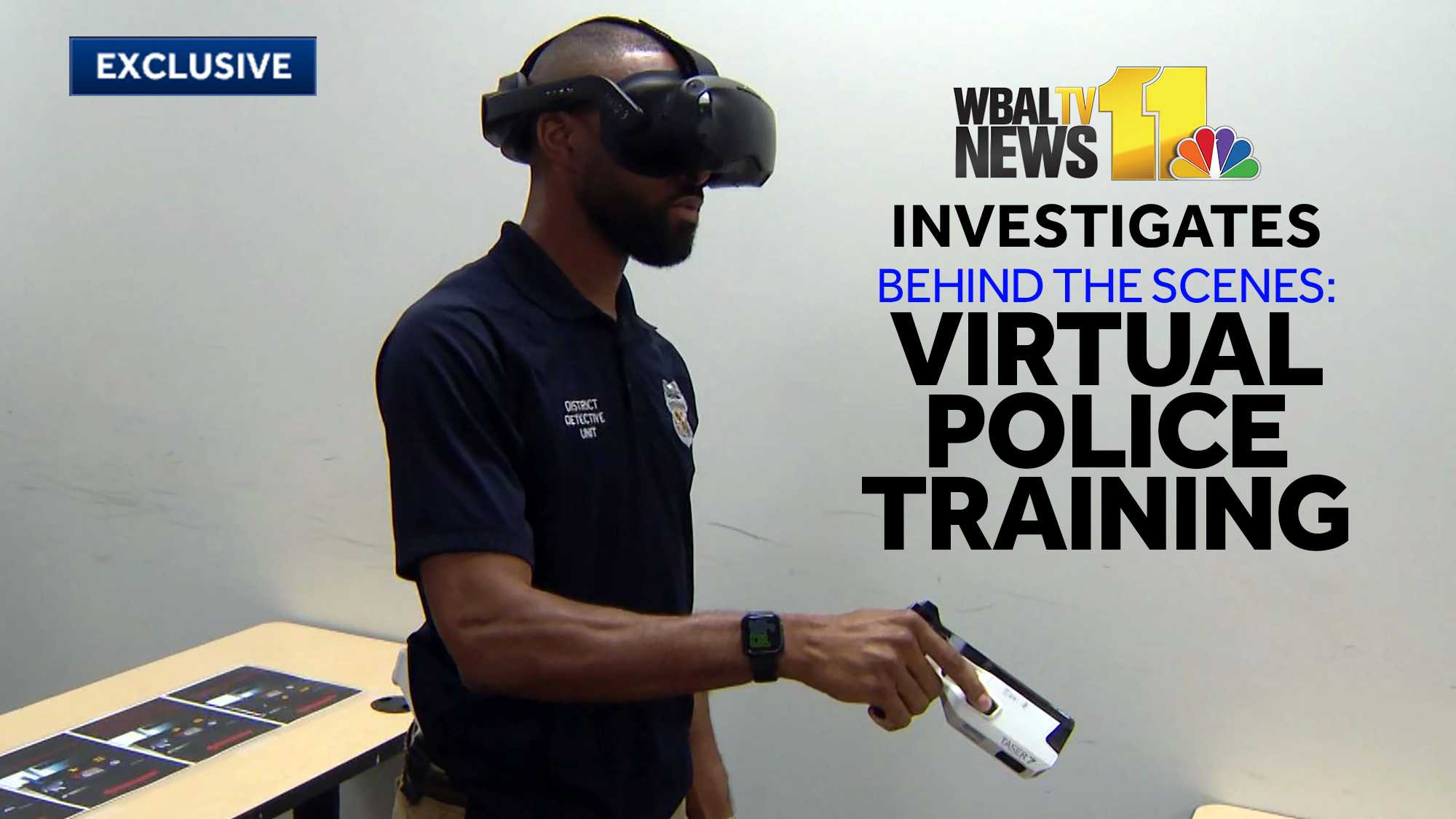
Enhancing Police Training with Technology
Baltimore police officers are adopting new tools to better manage complex and high-stakes situations. As technology continues to evolve, so does the training provided to law enforcement. This shift is aimed at equipping officers with the skills needed to handle real-world scenarios effectively and safely.
One of the key innovations in this training is the use of virtual reality (VR) tools. These include headsets and video screens that simulate various situations officers might encounter on the job. By immersing themselves in these interactive scenarios, officers can practice their responses in a controlled environment before facing them in real life.
Body-Worn Cameras and Real-World Preparedness
Body-worn cameras have become an essential part of modern policing, offering a visual record of interactions between officers and the public. However, these devices alone may not be enough to fully prepare officers for the unpredictable nature of their work. To bridge this gap, Baltimore police have integrated VR into their training programs, allowing officers to experience and react to potential use-of-force encounters in a realistic setting.
Sergeant Monica Veney, a Baltimore police officer, has participated in these advanced training sessions. She emphasizes the importance of mental preparation in high-pressure situations. "It prepares you," she explains. "Sometimes you have to make split-second decisions, but in this training, it helps you mentally slow down and think."
Scenarios That Prepare Officers for Reality
The training scenarios are designed to mimic real-life events that can escalate quickly. For example, one scenario involves a domestic dispute where an individual accused of assault still poses a threat. During these simulations, officers are encouraged to ask critical questions and evaluate the risks they face.
Veney posed a question during one such exercise: "I shouldn't have to wait to get hit, right?" Officer Rhys Dacuycuy, a police instructor, responded, "You shouldn't have to." He then asked about the specific threat the individual posed. Veney explained, "Bodily harm. He's bigger than I am, strength-wise. He's taller, and he said he had the means to carry out what he said he was going to do. He said, 'I'm going to fight you.'"
These exercises help officers understand how to assess threats and make informed decisions under pressure. Other scenarios include responding to active-shooter situations and managing car stops where passengers refuse to comply.
De-Escalation and Observational Skills
In addition to handling immediate threats, the training focuses on de-escalation techniques and the importance of observation. Officers learn to actively listen and watch for signs that someone might be carrying a weapon. One case study involved a man whose jacket concealed a gun. When officers asked him to stand up, they noticed he was still securing the weapon to his side.
Officer Ryan Perry, another instructor, highlighted the importance of vigilance. "They grab and make sure they are running with two hands, making sure it is secure and doesn't fall out. They don't want to get shot in this case," he said.
Officers are also trained to clearly articulate what they see and how they respond to armed individuals. Veney emphasized the need for clear communication. "If you see an armed person, you need to be able to articulate what you saw, and how you reacted, and how you resolved that situation."
A Commitment to Peaceful Resolution
Veney shared how the training has influenced her approach to policing. "I'm doing everything to try to resolve the situation peacefully, because that's the most important thing, to make sure everything is resolved peacefully," she said. "At the end of the day, I just want to go home safely."
This commitment to peaceful resolution is central to the training, reinforcing the idea that safety for both officers and the community is a shared goal.
Addressing Crime Through Partnerships
Baltimore's recent decline in homicides and non-fatal shootings can be attributed to partnerships and programs that track situations in real time. These collaborations involve community efforts and law enforcement initiatives aimed at preventing crime and improving public safety.
Through these partnerships, Baltimore police have been able to address crime more effectively, using data and resources to anticipate and respond to incidents before they escalate. This proactive approach highlights the importance of community engagement and innovative strategies in modern policing.

Post a Comment for "BPD Training Employs Virtual Reality for Real-World Scenarios"
Post a Comment