Bove's Lies Exposed in NYC Mayor Case, Evidence Reveals
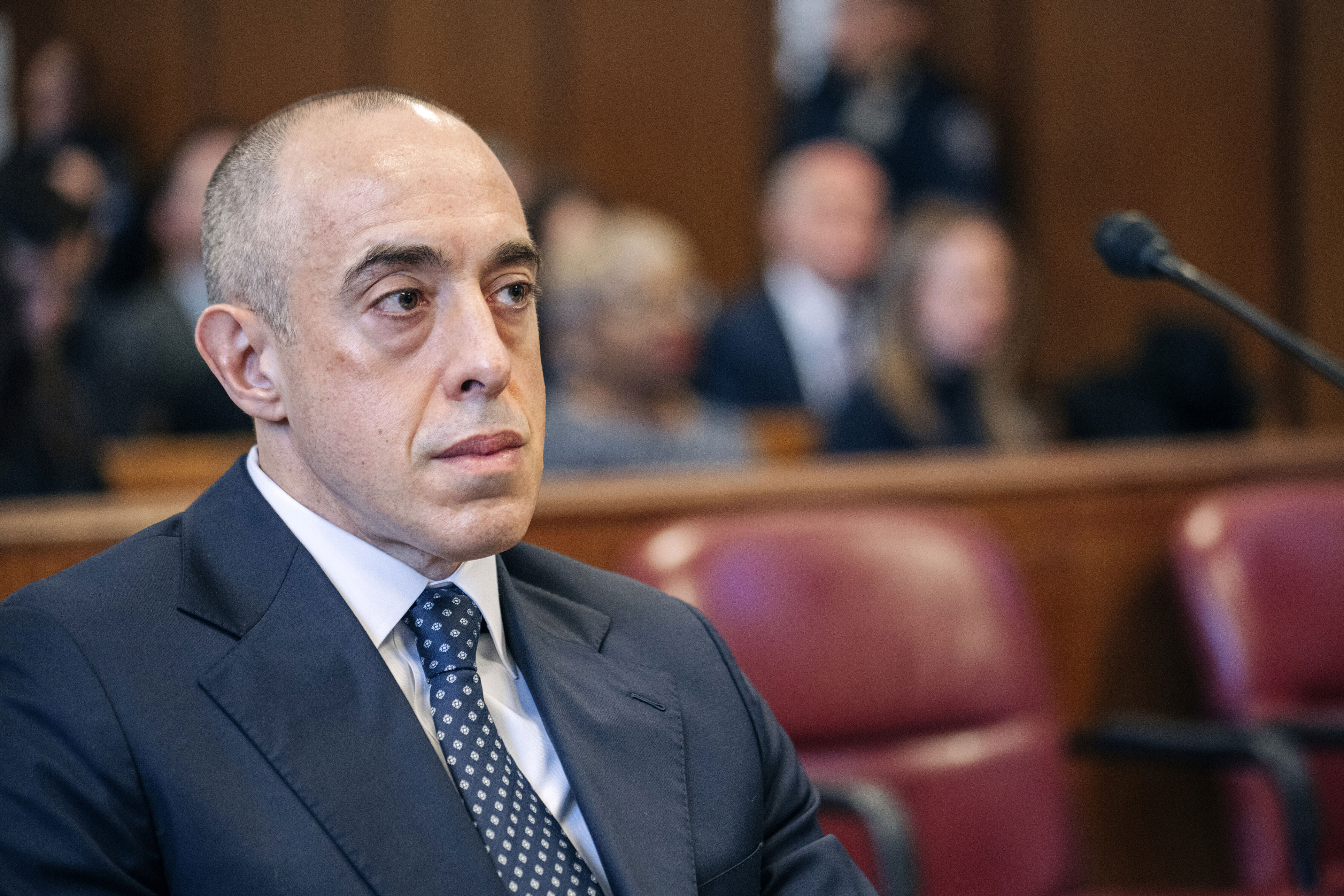
Whistleblower Claims Suggest Emil Bove Misled Lawmakers During Confirmation Hearings
A whistleblower’s documentation has revealed that Emil Bove, a top Justice Department official and nominee for a federal judgeship, may have misled lawmakers during his confirmation hearings. The allegations center around his handling of a high-profile case involving New York Mayor Eric Adams and the dismissal of corruption charges against him.
During a virtual staff meeting in February, Bove reportedly warned public corruption lawyers about the importance of following the “chain of command” in the Adams case. He allegedly suggested that prosecutors who supported the dismissal of charges could be promoted, while those who refused might face consequences. This information was shared by two individuals familiar with the details, who requested anonymity due to the sensitivity of the materials.
The Washington Post reviewed the evidence but chose not to disclose all details to protect the whistleblower's identity. Bove, a former defense attorney for President Donald Trump, was nominated for a lifetime seat on the U.S. Court of Appeals for the 3rd Circuit. His confirmation hearing last month included questions from Democratic lawmakers about whether he had ever indicated he would treat prosecutors differently based on their stance on the Adams case.
Bove consistently denied these allegations, responding with “no” or “I don’t recall.” However, the whistleblower claims suggest otherwise, indicating that Bove may have made veiled threats to influence the decision-making process within the office.
Recent Developments and Whistleblower Complaints
The latest disclosures emerged just hours before a final Senate Judiciary Committee vote on Bove’s nomination, which resulted in a narrow 50-49 confirmation. These revelations mark the third whistleblower complaint in recent weeks questioning Bove’s honesty during his testimony.
Two other whistleblowers have alleged that Bove instructed subordinates to ignore court orders that could hinder Trump’s immigration enforcement efforts. One of these whistleblowers, Erez Reuveni, has since gone public with his account, quoting Bove as saying, “Justice Department attorneys may have to tell judges ‘f--- you’ and ignore court orders to achieve Trump’s immigration goals.”
The Justice Department and Bove have denied these claims, and the White House continues to support his nomination. However, the controversy surrounding Bove’s conduct has raised concerns among Senate Democrats about his suitability for a lifetime appointment.
The Adams Case and Internal Conflict
The Adams case became a focal point of the debate. Bove reportedly directed prosecutors to drop public corruption charges against the mayor, arguing that the case was interfering with his ability to govern and work with the Trump administration on immigration enforcement. Both the mayor and Justice Department officials denied any quid pro quo arrangements.
Before the Feb. 14 meeting, several senior officials resigned over the decision to dismiss the charges, accusing Trump’s appointees of acting on political rather than legal grounds. The meeting itself involved discussions about the need for two people to sign a motion to dismiss the charges, with Bove giving them one hour to decide among themselves who would agree.
During his Senate Judiciary Committee confirmation hearing, Bove denied suggesting that prosecutors could be fired for refusing to sign the motion. He also denied implying that those who agreed would be rewarded. However, sources familiar with the meeting claim that Bove mentioned the possibility of career advancement for those who signed the motion.
Ed Sullivan, the sole trial lawyer who ultimately signed the motion, was later promoted to head of the section, raising further questions about the fairness of the process.
Political Tensions and Ongoing Scrutiny
Senate Democrats spent weeks trying to prevent Bove’s nomination, arguing that he prioritized the president’s agenda over legal integrity. They highlighted the whistleblower complaints and urged Republicans to reconsider their support. Despite this, the nomination passed narrowly, with many Republicans voting in favor.
Sen. Cory Booker and other Democrats reviewed the evidence, according to Senate staffers, and expressed concerns about the truthfulness of the nominee. Booker invited Republican colleagues to review the claims but none took him up on the offer.
Meanwhile, the Senate Judiciary Committee chairman, Sen. Chuck Grassley, met with the whistleblower’s lawyers after days of back-and-forth. However, his staff was not allowed to review the underlying evidence, and no direct communication occurred between Booker and Grassley regarding the allegations.
Grassley’s spokeswoman criticized the timing of the allegations, calling them a “bad-faith attempt to sink a nominee who’s already received committee approval.”
As the controversy continues, the question remains: how much weight should be given to whistleblower accounts when evaluating a nominee for a lifetime judicial position? The situation highlights the complex interplay between political loyalty, legal integrity, and the potential for misconduct at the highest levels of government.

Post a Comment for "Bove's Lies Exposed in NYC Mayor Case, Evidence Reveals"
Post a Comment