Bolivia's First Presidential Runoff as Centrist Takes Lead
Bolivia's Historic Presidential Runoff
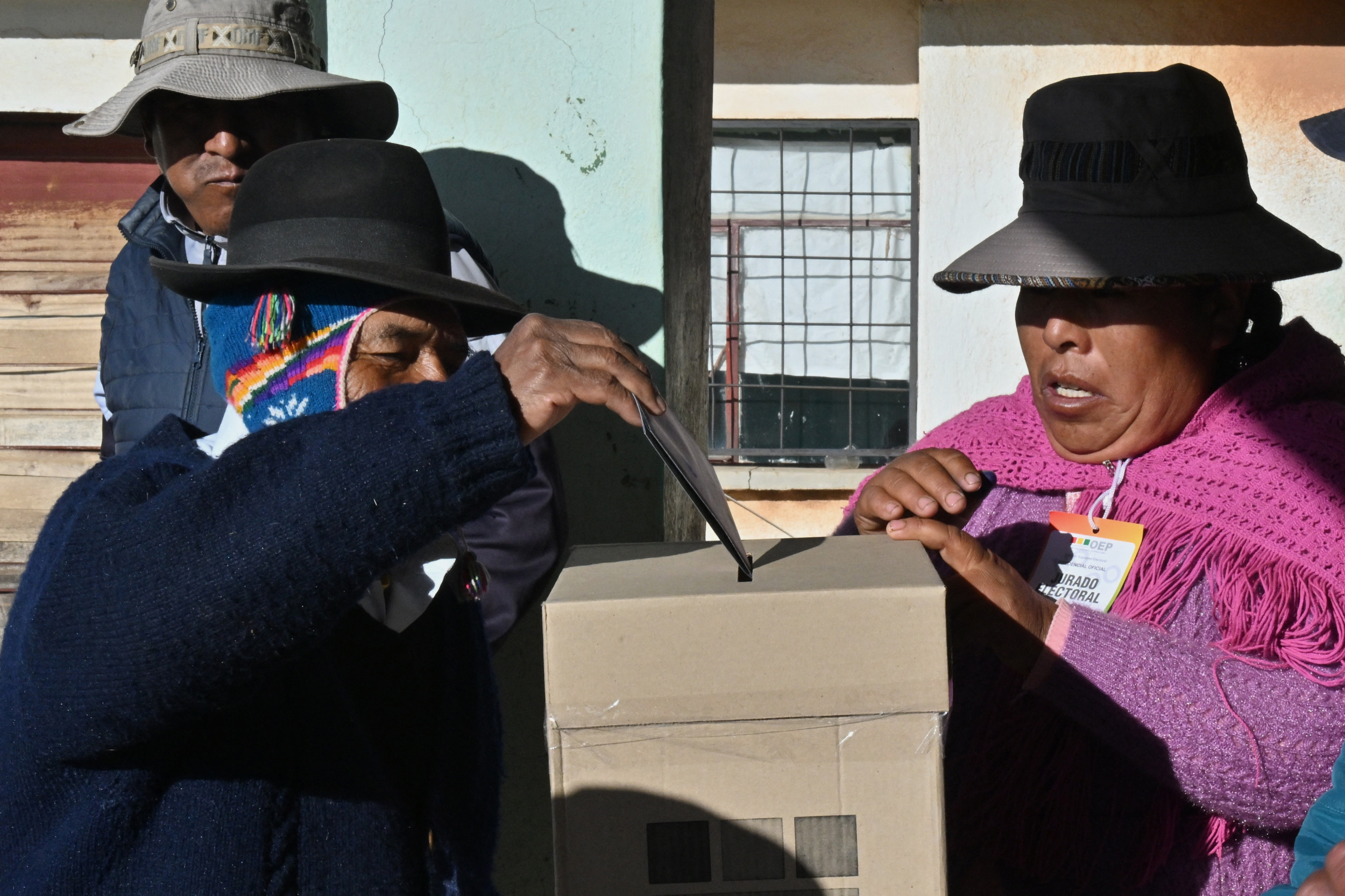
Bolivia has entered a new chapter in its political history after voters cast their ballots in the country’s first-ever presidential runoff. With over 91 percent of the votes counted, centrist Senator Rodrigo Paz Pereira leads with 32.8 percent of the vote, followed closely by right-wing former President Jorge "Tuto" Quiroga at 26.4 percent. Neither candidate secured the required majority to avoid a runoff, setting the stage for an important contest on October 19.
This election marks a significant shift in Bolivia’s political landscape, as it could end nearly two decades of leftist rule. The nation, known for having the largest Indigenous population in South America, is poised for a potential realignment that could impact its foreign relations and domestic policies.
Why This Election Matters
The current economic climate in Bolivia has played a critical role in shaping voter sentiment. Citizens face annual inflation exceeding 16 percent and widespread fuel shortages, leading to growing frustration among the country’s 12 million residents. A right-wing victory could lead to a major geopolitical shift, as Bolivia currently maintains strong ties with Venezuela, China, Russia, and Iran.
The election also reflects the fragmentation of the once-dominant Movement Toward Socialism (MAS) party, founded by former President Evo Morales. Morales, who is barred from running due to term limits and faces an arrest warrant on statutory rape charges, has urged supporters to cast null ballots in protest. His influence remains significant, but the party’s internal divisions have created an opening for opposition candidates.
Key Details About the Election
Bolivia’s electoral system requires candidates to secure either 50 percent of the vote or 40 percent with a 10-point lead to avoid a runoff. Neither Paz nor Quiroga met these thresholds, resulting in the upcoming runoff. The economic crisis has dominated voter concerns, with the natural gas industry collapsing and currency reserves dwindling.
Both leading candidates have pledged to implement austerity measures, including eliminating fuel and food subsidies. These policies could spark social unrest, particularly in a country where Indigenous and rural communities rely heavily on government support.
Voices from the Voters
Rodrigo Paz Pereira shared his confidence on social media, stating, “This August 17 we will win. Grateful to all the people, brothers, sisters, who joined us at our campaign closing in the city of #ElAlto #Bolivia #elecciones2025 #cierredecampaña #pdc #victoria #rodrigopaz.” Meanwhile, former President Jorge "Tuto" Quiroga encouraged citizens to vote, saying, “The day has arrived, #17Ago, let's all go vote. #BoliviaVota.”
Eileen Mirabal, a 30-year-old psychologist and voter, expressed her frustration with the economy, telling the Associated Press, “The economy is a disaster right now, so all I could bring myself to do was vote for change.” Ronaldo Olorio, a former Morales supporter, said, “People were waiting for a new, popular candidate, and in this, the opposition failed us. My vote is one of anger, of discontent.”
What Comes Next?
The October 19 runoff will likely feature a contest between Paz and Quiroga, though final results are still pending. Both candidates have promised to restore diplomatic ties with the United States, which were severed in 2008 when Morales expelled the American ambassador. They have also pledged to attract foreign investment to develop Bolivia’s vast lithium reserves, which are crucial for global battery production.
As the country prepares for the next phase of its electoral process, the outcome of this runoff will have far-reaching implications for Bolivia’s future and its position in the region.

Post a Comment for "Bolivia's First Presidential Runoff as Centrist Takes Lead"
Post a Comment