Boeing Approves $4.7B Spirit AeroSystems Deal: What's Next?
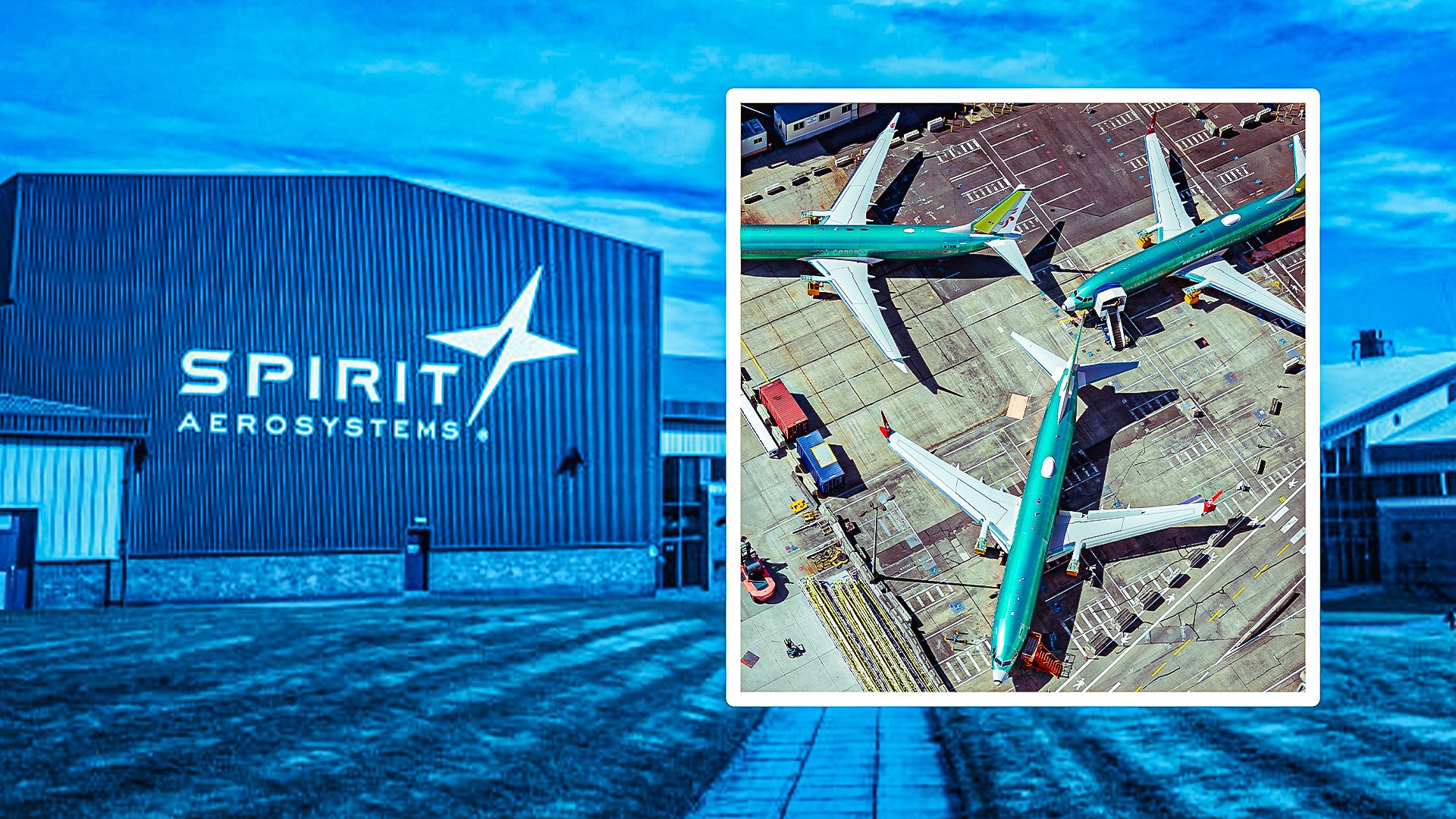
The Boeing-Spirit AeroSystems Acquisition: A Strategic Move or a High-Stakes Gamble?
The recent acquisition of Spirit AeroSystems by Boeing has sparked intense debate among industry observers, regulators, and workers. With the UK’s Competition and Markets Authority (CMA) clearing the merger, one of the final regulatory hurdles has been overcome, making the transaction almost inevitable. This deal will not only reshape Boeing’s future but also impact Airbus’s supply chain and global aircraft production for years to come.
Spirit AeroSystems is a critical player in the aerospace industry, supplying fuselages, wings, and other essential components for both Boeing and Airbus. Its reintegration into Boeing reverses a 2005 spin-off and comes after years of supply chain issues that severely impacted Boeing during the 737 MAX crisis and the 787 production slowdown. The question remains: is this acquisition a smart move or a risky bet?
What Happened?
On July 1, 2024, Boeing and Spirit AeroSystems entered into a definitive all-stock agreement, with Boeing acquiring Spirit for an equity value of about $4.7 billion. Including Spirit’s net debt, the enterprise value reaches $8.3 billion. Spirit shareholders exchanged shares for Boeing stock at a fixed $37.25 per share, subject to a collar mechanism tied to Boeing’s 15-day volume-weighted average share price.
This acquisition marks Boeing’s return to control over a key supplier. For years, Boeing has faced persistent supply chain and quality issues, many linked to Spirit. By bringing the supplier back in-house, Boeing aims to streamline fuselage production, tighten oversight, and stabilize its commercial aircraft programs.
However, the deal is complex. Spirit also builds major components for Airbus, including A220 wings and A350 fuselage parts. To prevent dependency on its competitor, Airbus struck a parallel transaction to acquire Spirit’s European and Malaysian operations. This ensures Airbus maintains control over its core suppliers while Boeing takes on Spirit’s debt and operational challenges.
Key Factors Shaping the Acquisition’s Success
Several factors will determine the success of this acquisition:
- Regulatory Approvals: While the UK CMA approval removed one barrier, European and US regulators will continue monitoring post-closing conduct to ensure competition is safeguarded.
- Financial Structure: Boeing faces financial strain from past issues, including the 737 MAX grounding and 787 production delays. Integrating Spirit’s debt and funding Airbus carve-outs requires careful capital management.
- Production Realities: Spirit has had quality issues, such as mis-drilled holes and structural misalignments, which delayed aircraft deliveries. Boeing must implement strict quality controls to reverse this trend.
- Workforce Dynamics: Approximately 20,000 Spirit employees, including 9,500 in Wichita, need to align with Boeing’s quality culture. Early signs suggest a pragmatic but watchful workforce.
- Airbus Counter-Balancing: Airbus’s decision to buy only the facilities tied to its own aircraft programs reduces dependency on Boeing. However, dividing Spirit’s assets across the US and Europe adds complexity.
Expert Opinions: Analysts and Executives Weigh In
Industry analysts describe the takeover as “necessary but risky.” Wall Street investors show cautious optimism, noting that vertical reintegration could stabilize production if Boeing avoids compounding Spirit’s problems. Boeing executives argue the acquisition is essential for stabilizing production and quality.
In Wichita, factory floor morale remains pragmatic, with workers more focused on daily targets than corporate ownership. Even during labor unrest at Boeing’s defense plants, Spirit employees maintained steady operations, reflecting a culture centered on continuity.
Airbus executives emphasize that their concurrent deal secures Belfast (A220 wings) and Saint-Nazaire (A350 sections), ensuring independence from Boeing. The transaction includes $439 million in cash compensation to Airbus and $200 million in credit support for a smooth transition.
Alternative Options Boeing and Airbus Could Have Taken
Boeing had alternatives, such as stricter oversight or deeper financial support for Spirit. However, previous interventions failed to resolve recurring issues. For Airbus, doing nothing would have meant allowing Boeing to control its wing supplier, which it avoided by acquiring Spirit’s European and Malaysian assets.
Risks and Drawbacks of Reintegration
Despite the logic of integration, execution risks are high. Boeing already faces financial pressure from delayed deliveries and cost overruns. Adding Spirit’s debt and operational challenges could worsen the situation. There are also competitive risks, as Airbus monitors closely to ensure its supply lines remain secure.
Reputational risks are significant. If Boeing continues to struggle with fuselage defects or delivery delays, airlines and regulators may question the rationale of the entire takeover. Early signs of improvement, such as smoother shipments and fewer FAA interventions, could help restore confidence.
What This Deal Means for Boeing, Airbus, and the Industry
The Boeing-Spirit AeroSystems acquisition is one of the most significant aerospace consolidations in decades. It reflects necessity, compromise, and risk. For Boeing, it represents an attempt to fix systemic supply chain issues. For Airbus, it is a defensive maneuver to protect wing production.
The deal’s ultimate success will be measured over the coming years. Key tests include regulatory scrutiny, airline pressure for improved delivery reliability, and workforce stability in Wichita. If Boeing manages these dynamics successfully, the acquisition could help restore its credibility and competitiveness well into the 2030s. If not, the deal risks becoming another costly misstep in a turbulent chapter for the US aerospace giant.

Post a Comment for "Boeing Approves $4.7B Spirit AeroSystems Deal: What's Next?"
Post a Comment