Blue Project Canceled: Inside the World of Hyperscale Data Centers
The Unveiling of Project Blue
Project Blue has taken many by surprise in Pima County, and it's been the subject of considerable debate. As 13 Investigates discovered, the controversy centers around the project's impact and the trust placed in its development.
Project Blue emerged under a veil of secrecy, with key details of the deal hidden for years due to a non-disclosure agreement (NDA). These agreements are common in highly competitive industries. However, the lack of transparency raised questions about the true resource demands of the cloud-computing giant behind the project.
Public criticism grew as the project moved forward after the Pima County Board of Supervisors approved the sale and rezoning of county land. When asked if he would have preferred a different approach, Pima County Supervisor Rex Scott acknowledged that there were lessons learned by various parties involved.
Leaked Information and Amazon's Role
Information that was accidentally leaked revealed that Amazon is behind Project Blue. This is significant because Amazon is constructing hyperscale data centers, which are known for their high power requirements.
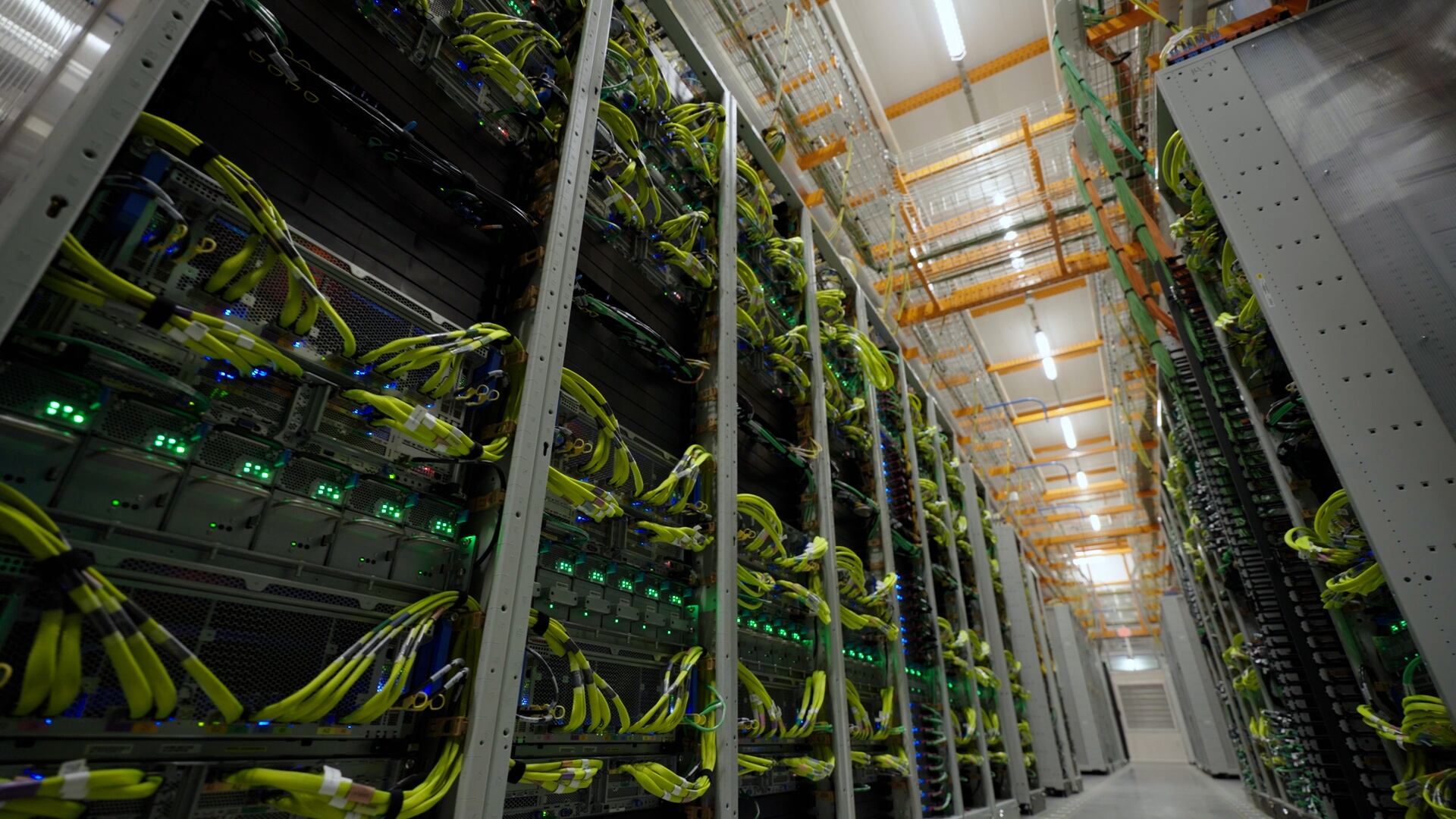
13 Investigates confirmed that the plan is to build a data center on 290 acres of land near the Pima County Fairgrounds. These "hyperscalers" house thousands of servers designed to handle massive amounts of data and traffic. To understand the scale, consider that the first phase of Project Blue requires 300 megawatts daily to operate efficiently. For comparison, a Target or Walmart Supercenter uses only 1 megawatt of power.
Kelly Barr, the chief alliance officer with Global Futures Laboratory at ASU, explained the magnitude of this demand. She noted that the Phoenix region already has around 140 data centers, which have pushed the power grid to its limits, especially during summer peaks.
Challenges and Concerns
Tucson City Manager Tim Thomure highlighted that many cities in the valley, including Marana, have already established some ground rules regarding data centers. He described Tucson as being on the front end of this trend, facing a high learning curve as it deals with its first hyperscale mega data center.
Barr emphasized the need for communities to evaluate the challenges and find a balance. Data centers require significant electricity and generate intense heat, necessitating sophisticated cooling systems. Options range from evaporative cooling, which uses more water, to dry cooling, which uses less. Amazon recently announced a shift to liquid cooling for its AI systems, which uses little or no water.
Water Use and Trust Issues
The city manager admitted that they do not know the exact cooling technology that will be used for Project Blue. However, he stressed that the focus is on understanding the water and energy needs.
To put the water use into perspective, the initial phase of Project Blue would consume as much water as one 18-hole golf course in Tucson. That equates to the daily water use of about 1,800 homes.
Without knowing the specific cooling system, the city must rely on the developer, Beale Infrastructure, which lacks a track record. The city would have needed to trust that the developer would fulfill its promise to replace every drop of water it uses.
Thomure expressed that the community's reaction was surprising in terms of magnitude and emotion but not unexpected given the concerns about water security, climate action, and quality of life.

Post a Comment for "Blue Project Canceled: Inside the World of Hyperscale Data Centers"
Post a Comment