Black Mold Discovered in New Orleans Water Board Building
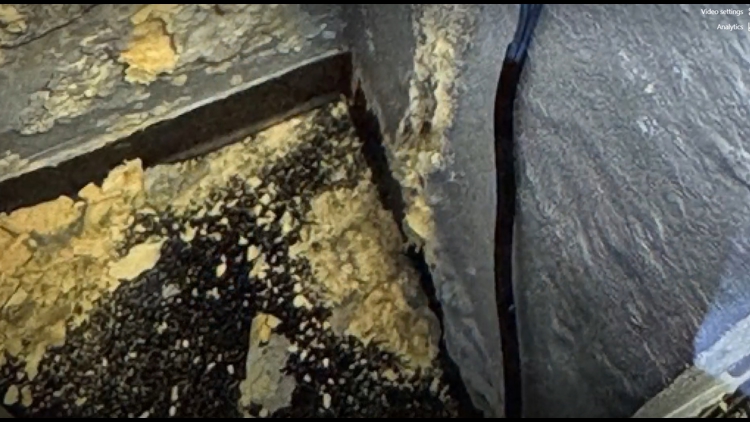
Ongoing Testing Reveals Black Mold Concerns in New Orleans Sewerage and Water Board Building
A comprehensive testing process is currently being conducted to assess the full extent of black mold growth within the New Orleans Sewerage and Water Board’s downtown administration building. The facility, located on St. Joseph Street, occupies a full city block and serves as a central hub for both employees and the public. Approximately 200 individuals work in the building daily, and it also functions as a customer service center where residents can pay utility bills and meet with board representatives.
The presence of Stachybotrys, commonly referred to as black mold, has been confirmed by the water board. According to officials, the mold is contained within a single office space. However, internal sources suggest that the issue may be more widespread than initially reported. This discrepancy has raised concerns among staff and community members about the potential health risks associated with prolonged exposure to mold.
One employee, who requested anonymity due to fear of retaliation, shared their personal experience with the mold problem. They emphasized the importance of addressing the issue, stating that no one should have to face health risks while at work. “It's very important for the employees because no one wants to be sick, especially when you go to work every day and you're supposed to be in a safe environment,” the worker said. “You find out you've been exposed to mold, and it's affecting different people throughout the building in terms of respiratory issues.”
Health Impacts and Employee Concerns
Black mold is known to produce mycotoxins, which can lead to a range of health problems, particularly for those with pre-existing conditions such as asthma or allergies. Symptoms often include coughing, wheezing, sore throats, and irritation of the eyes and skin. In severe cases, prolonged exposure can result in more serious respiratory complications.
Employees working in the affected building have reported experiencing these symptoms, though the exact number of individuals impacted remains unclear. Some have described feeling unwell after long days at work, while others have noted that the air quality inside the building has noticeably worsened over time.
The situation has sparked discussions about workplace safety and the responsibility of employers to ensure a healthy environment for their staff. Many are calling for transparency from the water board regarding the scope of the mold problem and the steps being taken to address it.
Steps Being Taken
While the water board has acknowledged the presence of mold, the extent of the contamination and the methods being used to remediate it remain under investigation. Officials have stated that they are working closely with environmental experts to assess the situation and develop a plan for cleaning and preventing future mold growth.
In addition to testing, the board has reportedly begun implementing measures to improve ventilation and monitor humidity levels in the building. These efforts aim to reduce the likelihood of mold spreading to other areas.
However, some employees feel that more needs to be done. They argue that the current response is insufficient and that additional resources should be allocated to thoroughly inspect and clean the entire facility.
Community and Public Response
The discovery of black mold in the building has not only raised concerns among employees but has also drawn attention from the broader community. Local advocacy groups have expressed support for workers and urged the water board to prioritize public health.
Residents who visit the building for utility services have also voiced their concerns. Some have reported noticing an unusual musty smell or visible signs of mold in common areas. These observations have further fueled calls for immediate action.
As the testing continues, the focus remains on ensuring the safety of everyone who works in or visits the building. The outcome of the assessment will likely determine the next steps, including potential closures, extensive cleaning, and long-term solutions to prevent future mold growth.
For now, the situation highlights the importance of maintaining safe and healthy environments in public and private spaces alike. It also underscores the need for transparency and accountability when it comes to addressing health hazards in the workplace.

Post a Comment for "Black Mold Discovered in New Orleans Water Board Building"
Post a Comment