Bill to Revive the 'American Dream' Clears Congressional Test
A Major Step Forward for Housing Legislation
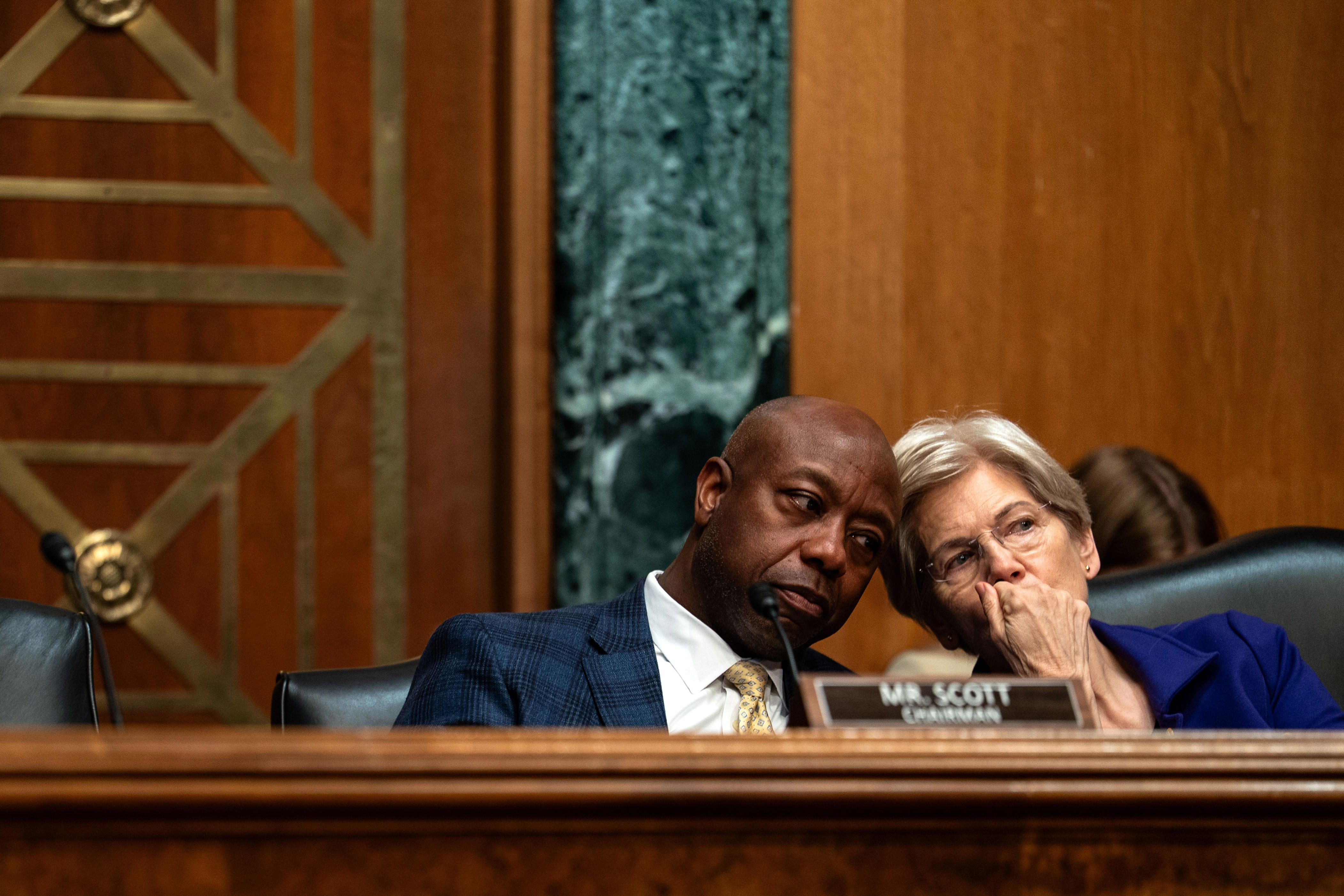
A significant housing bill was unanimously approved by a Senate committee on July 29, marking a rare moment of bipartisan agreement on an issue that has become a pressing concern for many Americans. The bill, titled the "Renewing Opportunity in the American Dream to Housing Act of 2025," was introduced by Senator Tim Scott, a Republican from South Carolina, and Senator Elizabeth Warren, a Democrat from Massachusetts. This legislation aims to address the growing housing crisis by implementing a variety of policies designed to increase the availability of affordable housing across the country.
The proposed measures include boosting construction efforts, making small mortgages more accessible, reforming the appraisal process, and providing support for manufactured housing. Analysts at the Bipartisan Policy Center have highlighted that this bill could be the most impactful and comprehensive housing legislation since the Great Recession, which began in 2007. The center’s summary noted that the bill incorporates elements from at least 27 previously introduced pieces of legislation, with 23 of those having bipartisan sponsors.
The national housing crisis has not only worsened but has also spread beyond traditional high-cost areas. Both major presidential candidates focused heavily on housing during the previous campaign season, reflecting the widespread concern among lawmakers. Shaun Donovan, CEO and president of Enterprise Community Partners and former secretary of the Department of Housing and Urban Development under President Obama, emphasized the broad political imperative surrounding housing, stating that nearly every region of the country is experiencing affordability challenges.
Home prices reached a new all-time high in 2024, with the median price at $412,500. Using the traditional lender ratio of 31% debt-to-income, a borrower would need an annual income of at least $126,700 to afford a mortgage payment on a home of that price. This stark reality underscores the urgency of addressing the housing crisis.
During the July 29 session, Senator Scott, who chairs the Senate Banking Committee, expressed optimism about the bipartisan nature of the effort. “I’m here to say hallelujah! We have found one [issue that brings this nation together]. It is housing,” he said.
Support from Industry Groups
Industry groups, including the National Association of Home Builders, the National Association of Realtors, and the Mortgage Bankers Association, have publicly supported the legislation. Their endorsement highlights the potential positive impact of the bill on the housing market and related industries.
However, despite the positive reception, some experts caution that the bill still faces a long journey before becoming law. The House of Representatives will take up the bill in the fall, according to analysts from the Bipartisan Policy Center. They note that while the bill proposes enhancements to existing federal housing programs and the creation of new ones, it does not specify funding levels for these changes or suggest offsetting budgetary savings or revenue increases.
Key Components of the Bill
The legislation includes several key components aimed at addressing the housing crisis:
- Increasing Construction: Encouraging the development of new housing units to meet rising demand.
- Affordable Mortgages: Making small mortgages more attainable for first-time homebuyers.
- Appraisal Reform: Modernizing the appraisal process to ensure fair and accurate valuations.
- Support for Manufactured Housing: Enhancing support for manufactured housing to provide more affordable options.
These initiatives reflect a comprehensive approach to tackling the housing shortage and affordability issues. As the bill moves forward, its success will depend on continued bipartisan support and effective implementation strategies.
Challenges Ahead
While the passage through the Senate committee is a significant milestone, the road to enactment remains challenging. The bill must navigate the House of Representatives, where it may face additional scrutiny and potential amendments. The lack of specified funding and revenue sources raises concerns about the feasibility of the proposed measures.
Nonetheless, the bipartisan nature of the legislation offers hope that the housing crisis can be addressed through collaborative efforts. As the debate continues, the focus will remain on finding solutions that make housing more accessible and affordable for all Americans.

Post a Comment for "Bill to Revive the 'American Dream' Clears Congressional Test"
Post a Comment