Biden's Exit and Famine Crisis Shake Democratic Views on Israel and Gaza
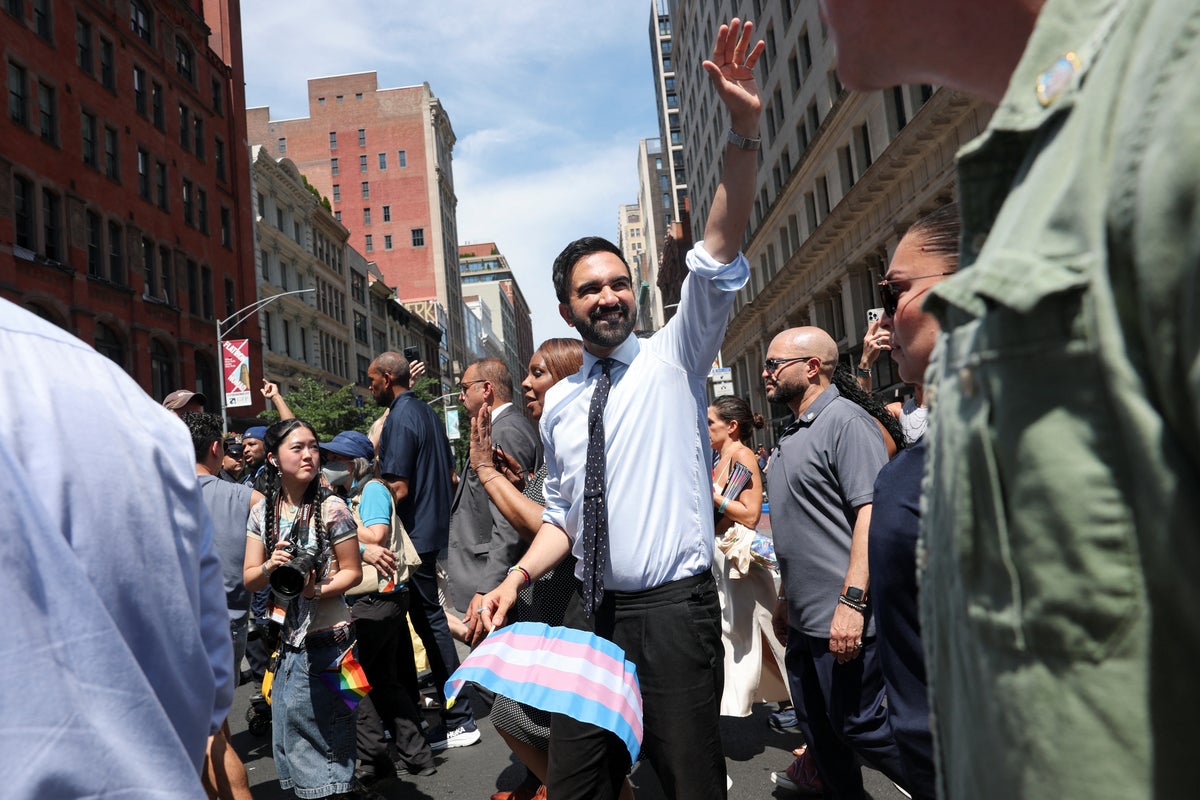
The Growing Tensions Within the Democratic Party Over Gaza
The crisis in Gaza has reached a new level of horror, with global experts on famine and food security warning that mass starvation and death are imminent unless more aid is allowed into the area. This dire situation has sparked intense debate within the Democratic Party in the United States, particularly among its progressive base.
Democrats, who have long supported Israel under the Biden administration, are now facing a difficult reality as their party experiences a significant shift in public opinion. The 2024 election results revealed a devastating defeat for the party, which has been closely tied to supporting Israel. As a result, many Democrats are now watching a resurgence of the progressive pro-Palestinian movement, challenging the traditional pro-Israel stance held by the Washington foreign policy establishment.
This shift is not limited to the left wing of the party. Recent polls indicate a growing generational divide across all party lines regarding support for Palestinian statehood and an end to the violence in Gaza. While few openly acknowledge it, there is a clear sense of change within the Democratic Party, with some describing it as an "earthquake."
Zohran Mamdani’s Victory and Media Scrutiny
Zohran Mamdani's unexpected victory in the Democratic primary for New York City mayor brought attention to the shifting political landscape. His win was accompanied by extensive media coverage, including from major outlets like the New York Times and New York Post, which often insinuated that Mamdani harbored anti-Semitic beliefs or falsely accused him of expressing them. These criticisms were further compounded by late-game endorsements from prominent figures such as Bill Clinton and James Clyburn, who supported Andrew Cuomo.
A recent poll conducted by the IMEU Policy Project and Data for Progress highlights the sentiment among voters. Nearly 80% of New York mayoral primary voters believe that Israel is committing a genocide in Gaza. This perception raises questions about how candidates aligned with traditional Democratic values, such as Joe Biden or Kamala Harris, would fare in such an electorate.
In the same poll, 63% of Democratic primary voters in the city supported Mamdani’s most hardline position: his call for the arrest of Israeli Prime Minister Benjamin Netanyahu if he ever visited the city. This figure, while lower than those who use the term “genocide,” still indicates a significant shift in public opinion.
A Broader Shift in Democratic Stances
The Jewish magazine Forward posed a pressing question: “After Mamdani and Gaza, are Democrats turning against Israel?” Across the country, Democrats are beginning to recognize the changing dynamics within their party. Rep. Ritchie Torres, a vocal critic of the so-called “Squad,” has stated that he could not win a Democratic primary for governor in New York after Mamdani’s victory. Similarly, Hakeem Jeffries, the Democratic House Minority Leader, reportedly expressed doubts about his ability to secure the speakership with Mamdani in play.
Kirsten Gillibrand, a junior U.S. senator from New York, issued a public apology to Mamdani after falsely accusing him of supporting “jihad.” These developments signal a growing awareness among Democrats of the potential for a wave of primary challenges fueled by progressive anger over the ongoing conflict in Gaza.
Political Consequences and Rising Criticism
Joe Biden’s departure from the White House and Benjamin Netanyahu’s close alliance with Donald Trump have made it easier for Democrats to criticize Israel. The recent mass starvation and killings of Palestinians at aid reception areas by Israeli troops have accelerated this criticism within the party.
In the Senate, a coalition of Democrats led by Chris Van Hollen is urging the Trump administration to distance itself from the Israeli-backed Gaza Humanitarian Foundation and return to reliance on neutral international groups for aid. Van Hollen, once a lone voice for Palestinian suffering under the Biden administration, now has the support of nearly half of his caucus.
However, not all senators are aligned with this view. John Fetterman, a Pennsylvania senator and vocal supporter of Israel, faces increasing scrutiny. Conor Lamb, his former primary opponent, has been aggressively targeting Fetterman on social media and in public appearances. Lamb, who previously supported Israel after the October 7 attacks, lost out on progressive endorsements in 2022 and now faces backlash for his stance.
A Nation in Transition
The House has also seen increased calls for action. Rep. Andre Carson, a Democrat from Indiana, has come out in support of an arms embargo against Israel, accusing Netanyahu’s government of “starving” the population of Gaza. Others, including Madeleine Dean, have demanded another ceasefire be negotiated. Rep. Ritchie Torres criticized a Republican colleague for making Islamophobic remarks about Rep. Ilhan Omar and condemned Netanyahu for damaging relations between Israel and the Democratic Party.
Leadership within the party is lagging behind but feels the pressure of the shifting political winds. Minority Whip Katherine Clark and Hakeem Jeffries released statements condemning the crisis, though neither used the word “Israel” in their messages.
Even former President Barack Obama, known for his cautious approach to public commentary, released a statement seemingly critical of Israel, stating, “There is no justification for keeping food and water away from civilian families.”
Silence from Key Figures
Despite these developments, some prominent Democrats remain silent. Pete Buttigieg and Kamala Harris, both seen as potential 2028 presidential contenders, have remained quiet on the issue for months. Harris, who is also considering a run for governor of California, has not participated in any long-form interviews this year.
While it is difficult to determine the exact impact of the Gaza crisis on former Biden-era figures, one thing is clear: a significant shift has occurred in the past week, beyond just the outcome of a single primary race. The Democratic Party is at a crossroads, and the direction it takes will shape its future for years to come.

Post a Comment for "Biden's Exit and Famine Crisis Shake Democratic Views on Israel and Gaza"
Post a Comment