Beware: Tarantula Hordes Approaching These States
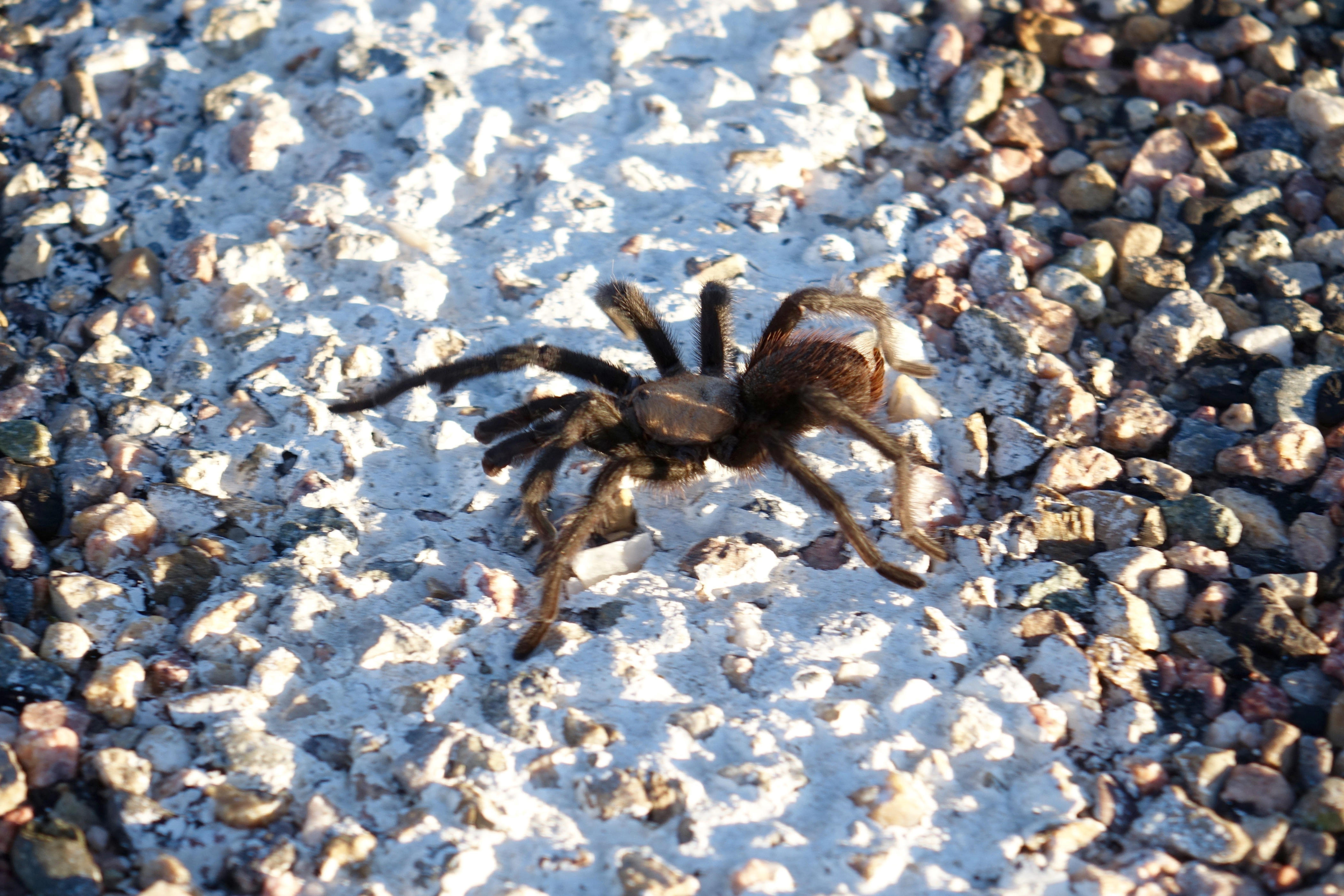
Understanding Tarantula Mating Season in the Southwest
If you're planning a hiking or camping trip in the arid regions of the United States, particularly in the Southwest and West, be prepared for an encounter that could be both fascinating and a bit unsettling. As the fall season approaches, thousands of tarantulas will emerge from their burrows to search for mates, creating a unique spectacle in nature.
This period is known as tarantula mating season, a time when these arachnids become more active and visible. Dan McCamish, a senior environmental scientist with California State Parks, notes that during this time, it's not uncommon to see them crossing roads in large numbers. However, he advises against interacting with them. "They’re wild animals and don’t want to be picked up," he explains. While generally docile, they can bite if provoked, so it's best to observe from a distance.
Tarantulas are often misunderstood, but they play a vital role in the ecosystem. Their primary goal during mating season is to find a partner, not to cause harm. If a tarantula wanders into your tent, it's likely just looking for a safe place to rest. These creatures are gentle and ecologically valuable, serving as natural pest controllers by hunting insects and small spiders.
Where Do Tarantulas Live?
Tarantulas prefer dry climates and are commonly found in Western and Southwestern states such as Arizona, California, Texas, New Mexico, Nevada, Utah, Colorado, Oregon, and Washington. Some species can also be found in other areas like South Florida and Oklahoma. In total, there are 29 described species of tarantulas in the United States, with common varieties including the desert blonde and the Texas brown. Arizona even has a species with a fiery-red abdomen, making them a striking sight.
When Are Tarantulas Most Active?
While tarantulas live in these areas year-round, they tend to stay hidden in their burrows during the day. They are primarily nocturnal, which means most people won't see them unless they're out at night. However, during the fall months—September through November—the weather shifts, and they become more active. The first seasonal rains of fall signal the start of their mating season. During this time, males are often seen crawling around, searching for females.
Females typically remain in their burrows, waiting for males to approach. If a male finds a female and she accepts him, they will mate. Unfortunately, this is usually the end of the male's life, as he often dies shortly after. In some cases, the female may even eat her mate, depending on her hunger level.
The Short Life of a Male Tarantula
Male tarantulas have a much shorter lifespan compared to females, who can live up to 20 to 25 years. Males spend their early years growing and molting before venturing out to find a mate. Once they leave their burrows, they face many dangers, including predators and the risk of not finding a mate. If unsuccessful, they may die from exhaustion or be unable to molt again, which can be fatal.
Why You Shouldn't Kill Tarantulas
Tarantulas are essential to maintaining ecological balance. They help control insect populations and improve soil quality by aerating the ground and aiding water filtration. After they abandon their burrows, these holes can become habitats for other wildlife, including lizards and small mammals.
Their presence is also an indicator of a healthy ecosystem. If tarantulas are thriving in an area, it suggests that the environment is functioning well.
What Eats Tarantulas?
Despite their intimidating appearance, tarantulas are not at the top of the food chain. They are preyed upon by foxes, coyotes, snakes, owls, and skunks. One of the most dangerous threats comes from the tarantula hawk wasp, a large wasp that paralyzes its prey before laying eggs inside them. The larvae then feed on the spider's body, making it a gruesome fate for the tarantula.
Are Tarantulas Dangerous to Humans?
Native tarantulas in the United States do not pose a serious threat to humans. However, it's important to avoid handling them, as they can cause irritation with their urticating hairs. If these hairs get into your eyes or on your skin, they can lead to discomfort. It's best to observe them from a safe distance and give them space if they appear to be defending themselves or engaged in a mating ritual.
How to Encourage a Tarantula to Move Away
If a tarantula enters your campsite or tent, the best way to encourage it to move is to use a stick to gently tickle its abdomen. This should prompt it to crawl away without causing harm. If it has come into contact with your belongings, wiping down the surfaces or using duct tape can help remove any irritating hairs.
It's also worth noting that tarantulas can jump up to two feet and may climb trees or bushes. They are ambush predators, so while they primarily live on the ground, they can sometimes be found in unexpected places.
Understanding tarantula behavior and respecting their space ensures a safer and more enjoyable experience for both humans and these fascinating creatures.

Post a Comment for "Beware: Tarantula Hordes Approaching These States"
Post a Comment