Best Facial for Your Skin Type: A Beauty Editor's Guide
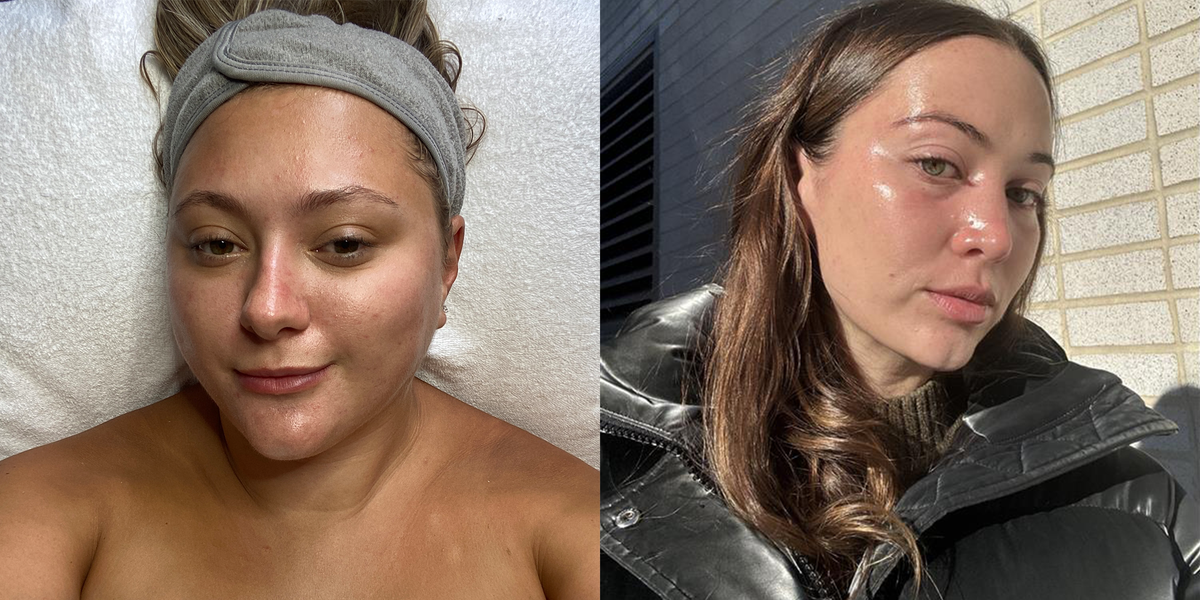
Understanding the Different Types of Facials and Their Benefits
When it comes to facials, there are so many options that it can be overwhelming. From signature facials to LED light therapy, each treatment offers unique benefits and results. As a beauty editor, I've tried nearly every type of facial available, and even I find myself confused at times. However, I also know how effective these treatments can be for your skin, both in the short term and over time.
Before you book an appointment, here's everything you need to know about facials—what each of them is, what results you can expect, and who they're best for. Plus, I'm breaking down all the potential add-ons you might have heard about too (like high-frequency for acne and dermaplaning).
1. Classic Facial
What it is:
A classic facial involves cleansing, followed by serums, masks, and treatments tailored to your skin or the results you're after.
Benefits:
Glowy, hydrated, clearer, and brighter skin.
Who it's for:
All skin types, with options available for pregnancy.
This is the most common type of facial, often referred to as a hydrating or glow facial. Your aesthetician will typically cleanse your skin twice, then apply a variety of masks, serums, and moisturizers to deeply clean and hydrate your skin. Some facials may include extractions, during which your aesthetician will remove blackheads and pimples in a safe and effective way.
These facials are great for achieving a glowing look or a deep clean, especially if you include extractions. They’re also helpful for building your skincare routine, as you can ask questions and get product recommendations from your practitioner. There are usually options for add-ons if you want to enhance your treatment.
2. Lymphatic Drainage Facial
What it is:
A lymphatic drainage facial involves light pressure massage to help move fluid through the lymphatic system.
Benefits:
Less facial swelling and a more defined, sculpted look.
Who it's for:
All skin types, including during pregnancy (but always consult your doctor first).
The lymphatic system is responsible for removing waste and toxins from the body. When this system becomes sluggish, it can lead to swelling and puffiness. A lymphatic drainage facial uses gentle massage techniques to stimulate the flow of lymph fluid, helping reduce swelling and giving your face a more sculpted appearance.
After the treatment, you can expect to see results for up to 10 days. Over time, regular sessions can improve blood flow, which may help keep your skin firm and tight.
3. Sculpting Facial
What it is:
A sculpting facial combines facial massage and/or microcurrent to lift and define facial features.
Benefits:
A more defined and less puffy jawline, under-eyes, and cheekbones.
Who it's for:
Most skin types, although microcurrent isn't recommended for pregnancy.
If you're looking for a sharper jawline or more defined cheekbones, a sculpting facial could be the solution. This treatment often includes microcurrent, which uses electrical currents to stimulate facial muscles and temporarily lift the skin. In-office treatments tend to be stronger and more effective than at-home devices like NuFace or Foreo Bear.
4. Microneedling Facial
What it is:
Microneedling involves shallow needles that create microscopic punctures in the skin to trigger collagen synthesis.
Benefits:
Smoother, tighter, firmer, and clearer skin.
Who it's for:
Most skin types, but not suitable for dry or sensitive skin or during pregnancy.
Microneedling is more of a procedure than a traditional facial. The tiny punctures created by the needles signal the skin to produce more collagen and elastin, resulting in healthier, plumper skin. It’s often paired with hyaluronic acid or vitamin C to enhance results. Some treatments also combine microneedling with radiofrequency for even better outcomes.
While it can be a bit uncomfortable, it’s generally tolerable and takes less than 20 minutes. Results can last up to a week, depending on the treatment and your skin type.
5. Chemical Peel
What it is:
A chemical peel involves applying a solution to the skin to exfoliate and reveal smoother, brighter skin.
Benefits:
Clearer, brighter, and smoother skin.
Who it's for:
Gentle peels are suitable for dry skin, while stronger ones are ideal for oily and acne-prone skin.
There are various types of chemical peels, each with its own level of intensity. Common ingredients include mandelic acid, tartaric acid, salicylic acid, and glycolic acid. These peels work by removing dead skin cells, improving texture, and reducing hyperpigmentation. Results vary depending on the strength of the peel and your skin’s sensitivity.
6. Hydrafacial
What it is:
A Hydrafacial uses a wand to cleanse, extract, and hydrate the skin.
Benefits:
Glowy and hydrated skin.
Who it's for:
All skin types.
Hydrafacials are a popular choice among beauty editors due to their effectiveness and quick results. The treatment uses a specialized wand to extract impurities and infuse the skin with serums, leaving it looking radiant and refreshed. It can be customized with additional treatments like LED light therapy or lymphatic drainage.
7. Laser Facial
What it is:
A laser facial uses laser technology to treat the skin.
Benefits:
Tighter, firmer, smoother, and brighter skin, depending on the type of laser used.
Who it's for:
Can be used for all skin types, though very sensitive skin may find it too intense.
Laser facials are not traditional facials, but they offer powerful results. Different lasers target specific concerns, such as smoothing texture, reducing hyperpigmentation, or treating acne. These treatments usually require multiple sessions for optimal results.
Potential Add-Ons
LED Light Therapy:
LED light therapy uses different wavelengths of light to address various skin concerns. Red light helps increase collagen production, while blue light targets acne-causing bacteria.
High-Frequency Wands:
These wands use a small electrical current to create oxygen on the skin, reducing bacteria and helping to clear acne.
Dermaplaning:
This technique involves gently exfoliating the skin with a scalpel to remove dead skin cells and fine hair, resulting in smoother, softer skin.
Meet the Experts
Purvisha Patel, MD, is a board-certified dermatologist and owner of Advanced Dermatology and Skin Cancer Associates. She’s also the founder of Visha Skincare.
Miranda Sturce is a licensed aesthetician in New York with over 15 years of experience. Her custom treatments are popular among celebrities and editors.
Jordan Samuel Pacitti is a licensed aesthetician and founder of Jordan Samuel Skin. He works closely with cosmetic chemists to develop innovative skincare products.

Post a Comment for "Best Facial for Your Skin Type: A Beauty Editor's Guide"
Post a Comment