Berkeley study: Wildfire evacuations may cause major traffic delays
Understanding the Evacuation Challenges in Berkeley
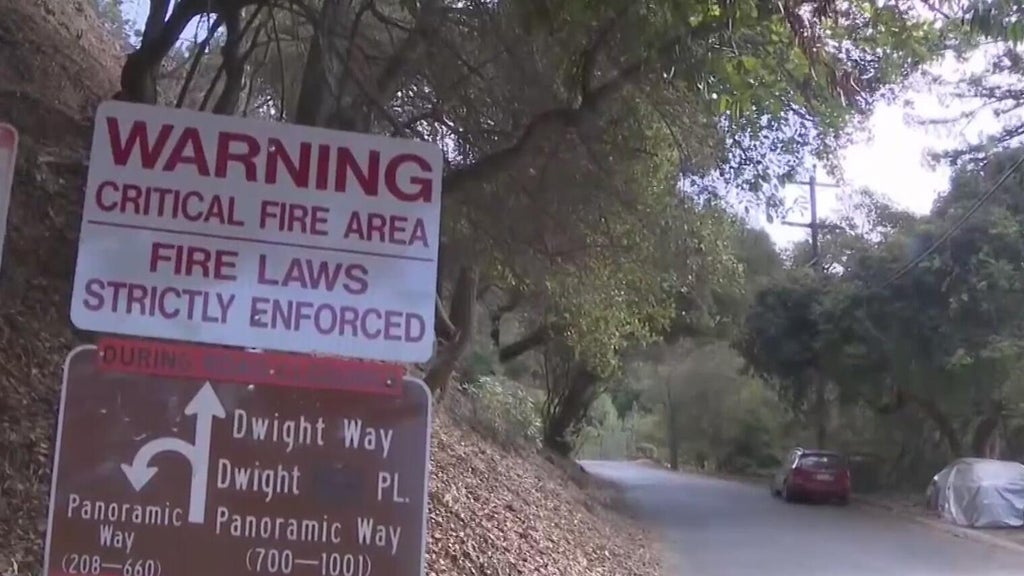
As the summer brings cool and damp weather to the Bay Area, the idea of a wildfire might seem distant for many. However, the city of Berkeley is taking a proactive approach by examining potential challenges that could arise during a large-scale urban wildfire. A new study commissioned by the city highlights a concerning reality: evacuating certain areas may take significantly longer than people anticipate.
Berkeley has been reflecting on what would happen if a major wildfire were to occur, drawing from historical events such as the 1923 grass fire that devastated parts of the city. That fire, fueled by high winds, burned over 600 homes and made national headlines. At the time, the hills were not yet covered with eucalyptus trees, which now play a significant role in how fires can spread.
Henry DeNero, President of the Berkeley FireSafe Council, refers to these eucalyptus trees as "the line of fire." He explains that if a fire starts and ignites the eucalyptus canopy under strong wind conditions, it could create an ember storm that is far more intense than those seen in other recent fires. For example, a fire in Tilden Park with a 40-mph Diablo wind could send hundreds of thousands, or even tens of millions of embers into the city, spreading well beyond the hills.
The study estimates that in some neighborhoods, it could take up to four hours for people to evacuate. This figure assumes an orderly process, but DeNero questions whether such orderliness is realistic. If a mandatory evacuation were announced, he suggests that the Berkeley Hills could quickly become gridlocked with cars, leading to chaos.
The Role of Walking Paths and Stairs
Berkeley's unique system of walking paths and stairs offers an alternative route for evacuation, especially for those who live in the area. Many residents have long planned for this scenario, understanding that relying on cars may not be practical.
Danny Levie, a Cragmont resident, believes that walking would be the best option. “If we needed to leave, we'd be on foot,” he said, noting that trying to get into cars simultaneously would lead to a traffic jam. Colleen Neff of the Berkeley Path Wanderers Association agrees, emphasizing that in emergencies—especially at night with smoke and panic—the paths could be the most effective way to escape.
However, there are concerns about the elderly population in the Berkeley hills. Those who cannot walk or run may be left behind, particularly if streets become congested with traffic or abandoned vehicles. The study also points out that road barriers designed to control traffic flow could hinder evacuation efforts.
Pre-Evacuation Strategies and Their Limitations
To address these challenges, the city recommends pre-evacuation strategies, encouraging people to leave their homes during extreme fire weather conditions. But DeNero questions the feasibility of this approach. “How do you get a significant percent of the population to leave when there's no fire?” he asked. “I don't think that has been thought through yet.”
He acknowledges that creativity will be necessary to develop effective solutions. However, he also admits that some problems may be difficult to solve. While planning for an orderly evacuation is essential, history shows that human behavior can change dramatically during emergencies, often leading to unpredictable outcomes.
Conclusion
Berkeley’s situation highlights the complexities of urban wildfire preparedness. While the city is taking steps to improve evacuation plans, the challenge remains significant. As the community continues to grapple with these issues, the need for innovative thinking and comprehensive strategies becomes increasingly clear. The lessons learned from past events serve as a reminder that preparation and adaptability are crucial in the face of natural disasters.

Post a Comment for "Berkeley study: Wildfire evacuations may cause major traffic delays"
Post a Comment