Beet Juice Boost: What Science Says Before Your Workout
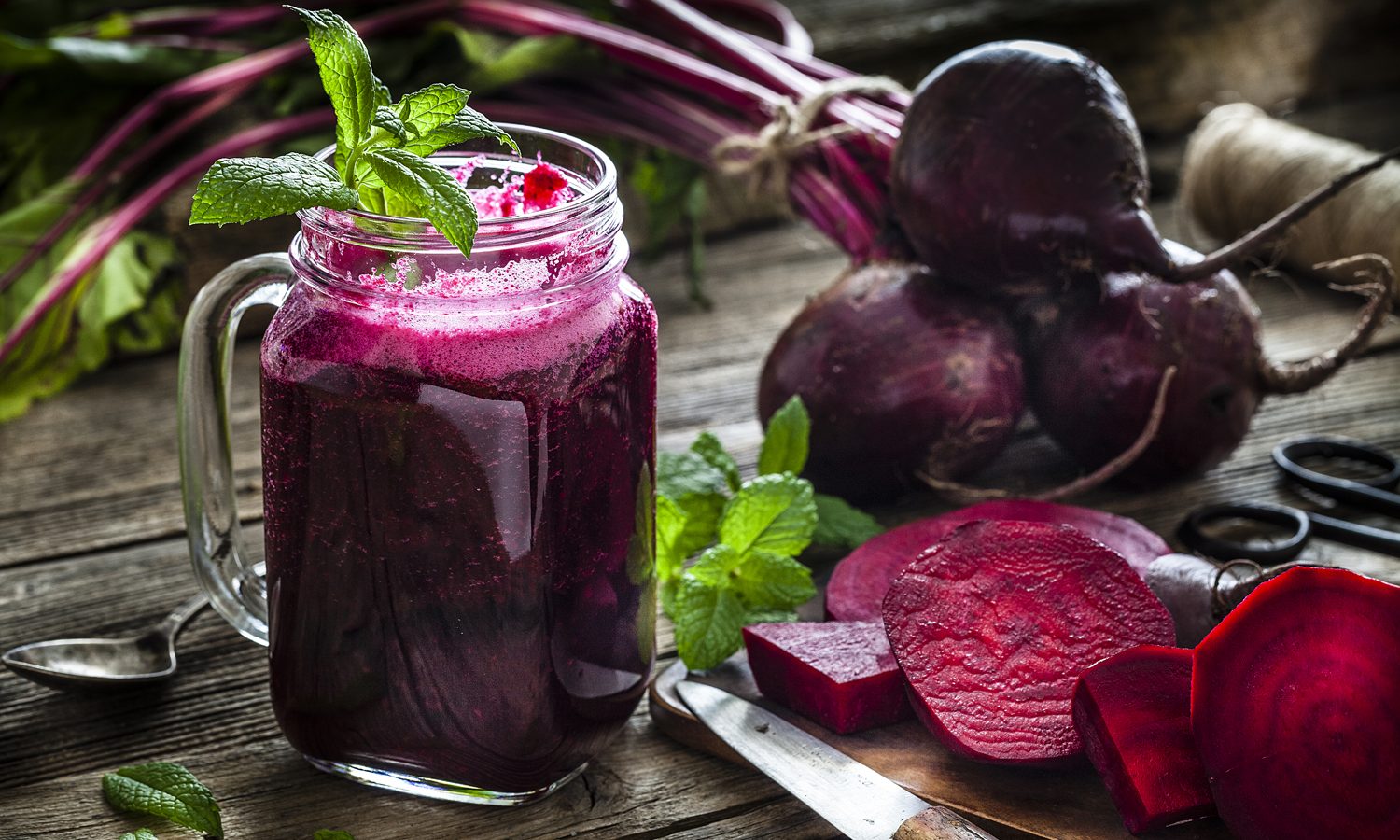
The Benefits of Drinking Beet Juice Before a Workout
Beets have always been a favorite of mine, not only for their sweet and slightly zesty flavor but also for the vibrant colors they bring to the table. From deep royal purple to red, golden yellow, and even white, beets are a colorful addition to any meal. The natural pigment responsible for the red color in beets is called betanin, which is known for its strong antioxidant properties.
One of the most effective healthy nutritional approaches I’ve come across for managing autoimmune diseases is the Wahls Protocol, developed by Dr. Terry Wahls to help with her own multiple sclerosis. She emphasizes eating the “rainbow” of foods, not the candy variety, but rather brightly colored fruits and vegetables like beets. These deeply pigmented foods are anti-inflammatory, rich in antioxidants, and offer numerous health benefits, including protection against chronic diseases such as heart disease.
Why People Drink Beet Juice Before a Workout
There’s been a lot of talk about drinking beet juice before a workout, but what does the science say? Given the many proven benefits of beets, it turns out that this pre-workout boost is supported by some interesting research. Most fitness professionals recommend consuming three ounces of beet juice, ideally around 60 to 90 minutes before your workout or athletic event.
Health Benefits of Drinking Beet Juice
Research has uncovered several health benefits associated with drinking beet juice, including:
- Lowering blood pressure: The nitrates in beet juice convert into nitric oxide, which helps widen blood vessels and reduce both systolic and diastolic blood pressure.
- Reducing chronic disease risk: The antioxidants and anti-inflammatory properties in beet juice may help lower the risk of conditions like heart disease and liver disease.
- Reducing inflammation: Beets contain compounds that can help combat inflammation in the body.
- Rich in minerals and electrolytes: Beet juice is a good source of potassium, folate, and zinc, which can contribute to increased energy levels during workouts.
- Betalains and free radicals: Betalains, another type of antioxidant found in beets, can help destroy harmful free radicals in the body. High levels of free radicals are linked to inflammation and an increased risk of cancer.
- Betanin and cholesterol: Betanin, a specific type of betalain, may also improve cholesterol profiles.
Numerous studies have shown that beetroot juice can protect against oxidative damage to DNA, lipids, and proteins in laboratory settings.
Boosting Exercise Capacity
When people mention that drinking beet juice gives them a pre-workout boost, it could be due to these various benefits. Here are some specific ways beet juice might enhance physical performance:
- Minerals and electrolytes: Potassium and other minerals in beet juice can help you feel more energized, fueling your workout more effectively.
- Increased plasma nitrate levels: Consuming beet juice increases nitrate levels in the blood, which can widen blood vessels and improve cardiorespiratory performance.
- Improved muscle power: Research has shown that drinking about one-third of a cup of beetroot juice daily for a week can help older adults with heart failure better tolerate different types of exercise and improve aerobic endurance by 24%.
- Combatting fatigue: Studies on mountain climbers have revealed that beetroot juice improves endurance and lower-body power. Additional research suggests that consuming beet juice can make you feel less tired, which is beneficial when pushing through a tough workout.
Overall, the science behind drinking beet juice before a workout supports its role in enhancing performance, reducing fatigue, and providing essential nutrients that support overall health. Whether you're an athlete or just looking to improve your fitness routine, incorporating beet juice into your pre-workout regimen could be a smart choice.

Post a Comment for "Beet Juice Boost: What Science Says Before Your Workout"
Post a Comment