Bay Area Suburbs: Renters Taking Control
The Shift from Homeownership to Renting in the United States
For many years, the typical American journey from renting to owning a home followed a predictable pattern. Young professionals would start by renting in large cities, and as they settled into their careers and personal lives, they would move to the suburbs and purchase a house. However, this traditional path is changing, especially in areas like the Bay Area, where high home prices and stubbornly high mortgage rates have made homeownership increasingly out of reach.
A recent study by Point2Homes highlights a growing trend: more than 200 suburban metropolitan areas across the U.S. now have more renter households than homeowners. This shift is particularly noticeable on the East Coast, where the rate of change has been even more dramatic. In 15 metropolitan areas, the transition from a majority of homeowners to a majority of renters occurred between 2018 and 2023. In another 15 areas, the number of renter households more than doubled during the same period.
While the East Coast is experiencing a rapid increase in rental demand, the Bay Area shows a different picture. According to data provided by Point2Homes, the share of renters in the San Francisco, Oakland, and Fremont metropolitan areas did not see the same explosive growth as other regions. In fact, in 30 of the 54 cities analyzed, the percentage of renters actually decreased slightly, though not always significantly. Overall, the net increase in renter households in these cities was just 1.9% between 2018 and 2023.
Why the Bay Area Is Different
The reason for this slower shift in the Bay Area is largely due to the region's housing challenges. Building new homes is extremely difficult in California, despite the area's wealth and job opportunities. Matt Regan, senior vice president of policy for the Bay Area Council, explains that the urban cores are "ridiculously hard to build" because of strict regulations and zoning laws. This makes developers look for alternatives in the suburbs and exurbs. However, even in smaller cities, local governments often resist building more housing, leading to what Regan calls “not in my backyard” attitudes.
Jeff Ostrowski, a housing market analyst for Bankrate, points to a combination of factors—growth restrictions, limited land availability, and slow income growth—that have created a “perfect storm” for rising property prices. As housing costs continue to climb, the average age of first-time homebuyers has increased, with the median age now at 38, according to the National Association of Realtors.
The Impact of the Pandemic
The years between 2018 and 2023 were a critical period for studying housing trends in America, largely influenced by the COVID-19 pandemic. During this time, rents rose, mortgage rates hit historic lows, and remote work became widespread, reshaping how people think about where they live.
California experienced a population decline of more than half a million people between April 2020 and July 2022, though it has since rebounded. The pandemic allowed some residents to move to more affordable areas, while others left due to differing political climates around pandemic policies. Some workers who moved to states like Texas or Idaho eventually returned due to return-to-office mandates, but many offices in the Bay Area still operate with partial remote work.
This hybrid work model has made suburban living more attractive. With fewer days spent commuting, the burden of long commutes has lessened, increasing interest in suburban housing. However, developing new housing remains challenging.
Challenges in Housing Development
Several factors make it difficult to expand housing in the Bay Area. California’s condo defect liability laws discourage developers from building certain types of housing that have traditionally served as an entry point for first-time buyers. Many cities lack space for single-family homes, leaving apartment buildings as the primary option. While these developments can be profitable given the region’s high incomes, they often face resistance from existing homeowners and regulatory hurdles.
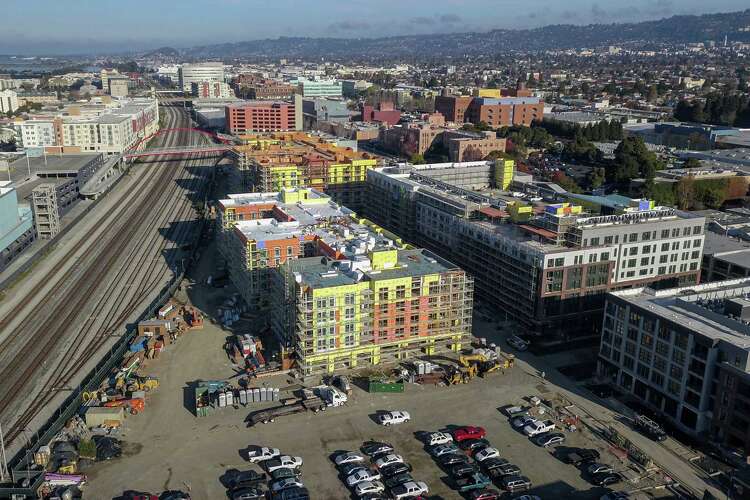
Emeryville stands out as a city with a high renter share, having seen a 28% increase in renters from 2018 to 2023. The city added over 1,100 renter households during this period. According to Doug Ressler of Point2Homes, cities with higher renter growth tend to have access to transit, social amenities, and lower land costs compared to urban centers. Emeryville’s government has embraced housing growth alongside economic development, supporting companies like Pixar and major retailers such as IKEA.
The Future of Suburban Living
Despite the challenges, there is a growing demand for housing in the suburbs. Cities that are open to development and offer a mix of jobs, amenities, and affordability are seeing more people choose to rent rather than buy. However, without significant changes to housing policies and construction practices, the gap between homeowners and renters may continue to widen.
As the housing market evolves, the Bay Area serves as a case study in the complexities of balancing economic growth, housing supply, and community needs. The future of suburban living depends on whether local governments and developers can find ways to meet the rising demand for affordable housing.

Post a Comment for "Bay Area Suburbs: Renters Taking Control"
Post a Comment