Bats: The Amazing Flight of the World's Only Flying Mammals
The Unique Symbiosis of Bats and Books in Portugal’s Joanine Library
For many library visitors, the experience of reading is often a solitary one, far removed from the natural world. However, at Portugal’s Joanine Library, this is not the case. Since the 18th century, a colony of bats has made the library its home, creating an unusual yet harmonious relationship between these nocturnal creatures and the ancient books that surround them.
These bats serve a crucial role in preserving the library's collection of over 56,000 volumes. By feeding on insects that could potentially damage the books, they act as natural pest control agents. This unique arrangement has transformed the library into a self-sustaining ecosystem where bats and books coexist in mutual benefit. Visitors to the library can witness these winged residents quietly roosting among the shelves, adding an element of mystery and wonder to the space.
Despite their beneficial role, bats are often misunderstood. Many people view them as pests or even fear them, a perception likely influenced by popular culture, such as the legend of Dracula. In reality, bats are fascinating and essential creatures. They play a vital role in pollination, seed dispersal, and insect control, contributing to both ecological balance and human agriculture.
Here are some incredible facts about bats that highlight their importance and uniqueness:
Bats Are Found Almost Everywhere on Earth
Bats inhabit every continent except Antarctica. They can be found as far north as the Arctic Circle and as far south as Argentina and the southern tip of Africa. The largest bat species is the giant golden-crowned flying fox, which can weigh up to three and a half pounds and have a wingspan of five to six feet. On the other end of the spectrum, the Kitti’s hog-nosed bat is the smallest mammal in the world, weighing less than a U.S. penny and measuring just over an inch in length.
Bats Are the Only Flying Mammals
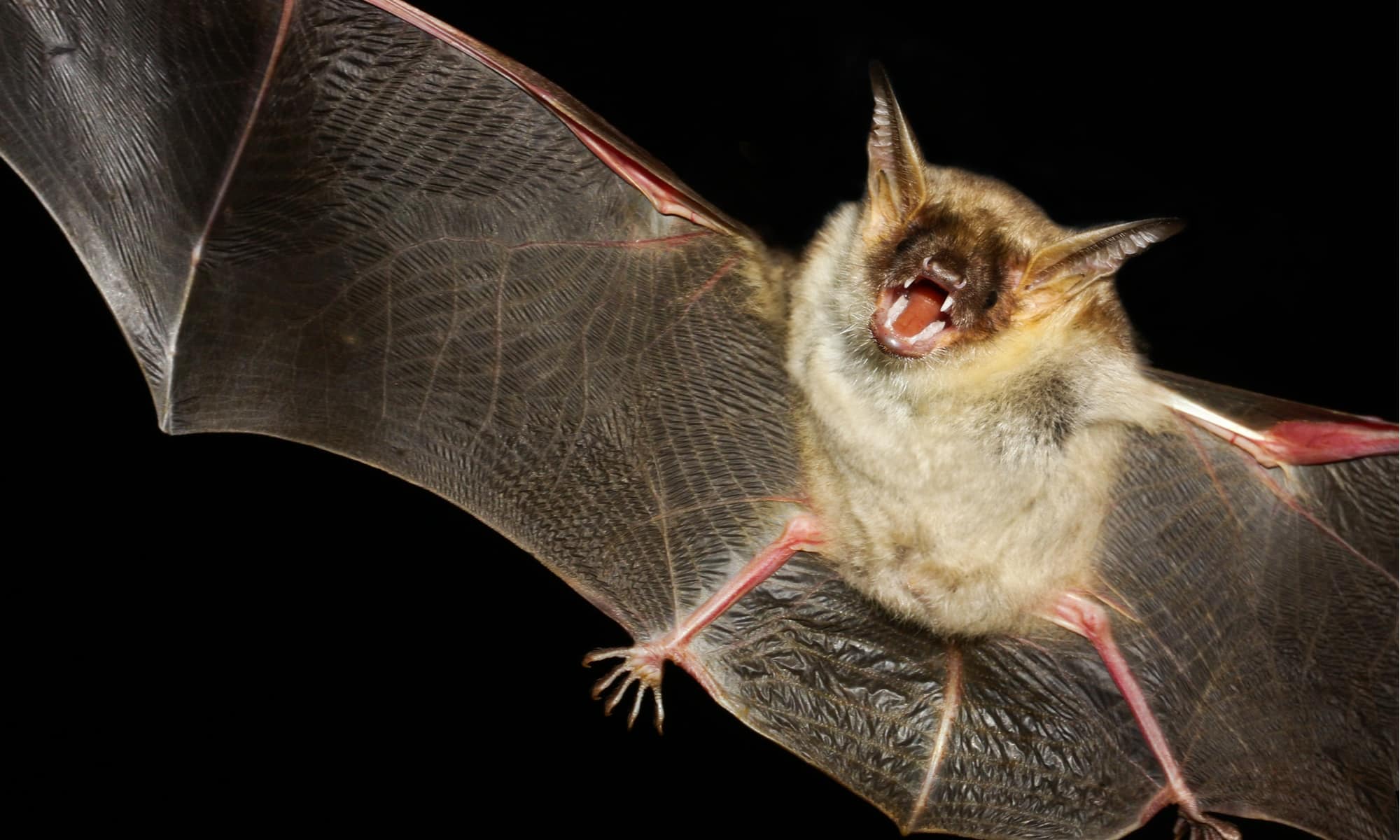
Unlike flying squirrels, which glide rather than fly, bats are the only mammals capable of true flight. Their wings are formed from elongated finger bones covered with a thin membrane. This structure allows them to maneuver with precision and control. Bats also use their wings for thermoregulation, helping to manage their body temperature and blood pressure.
Bats Sleep Upside Down
One of the most recognizable images of bats is their upside-down sleeping posture. Scientists believe this position helps them take off more quickly when they need to fly. Bats have specialized valves in their veins and arteries that prevent blood from rushing to their heads, allowing them to hang without experiencing dizziness.
Some Bats Hibernate
Not all bats hibernate. While some migrate to warmer regions during colder months, others enter a state of torpor, slowing their metabolism and heart rate. For example, the mouse-eared bat can reduce its heart rate from 600 beats per minute to as low as 18 to 80 beats per minute during hibernation.
Vampire Bats Are Not as Scary as They Seem
Vampire bats, despite their name, do not attack humans. They primarily feed on livestock and use their sharp teeth to pierce the skin of their prey. Their saliva contains anticoagulants that prevent blood clotting, which has led to medical applications in treating strokes and heart conditions.
Bats Help Maintain Our Food Supply
Many bat species play a critical role in pollinating plants and spreading seeds. They contribute to the production of fruits like bananas, mangoes, avocados, and figs. In addition, they help control insect populations, benefiting farmers by reducing crop pests.
Bats Live in Colonies and Reproduce Slowly
Most bats live in colonies, with some groups containing millions of individuals. Female bats typically give birth once a year, and they care for their young until they are able to fly independently. This slow reproduction rate makes conservation efforts especially important.
Texas Is Home to the Largest Bat Colony
Bracken Cave near San Antonio, Texas, is home to over 15 million Mexican free-tailed bats. These bats provide significant pest control by consuming large numbers of insects each night, including corn earworm moths.
Bats Are Fastest Mammals
The Mexican free-tailed bat is one of the fastest mammals, reaching speeds of up to 100 miles per hour in short bursts. This speed surpasses that of a cheetah, making them one of the most agile creatures in the animal kingdom.
Bats Are Not Blind
Contrary to popular belief, most bats have excellent eyesight. Some species can see ultraviolet light, while others rely on echolocation to navigate and find food. Bats also use their sense of smell to identify food sources and communicate with others.
In conclusion, bats are remarkable creatures with a wide range of adaptations that allow them to thrive in various environments. From their role in preserving historical texts to their contributions to agriculture and medicine, bats are an integral part of our world. Understanding and appreciating these animals can help dispel myths and promote their conservation.

Post a Comment for "Bats: The Amazing Flight of the World's Only Flying Mammals"
Post a Comment