Astronaut Retires After Troubled Space Mission and Long Stay in Orbit
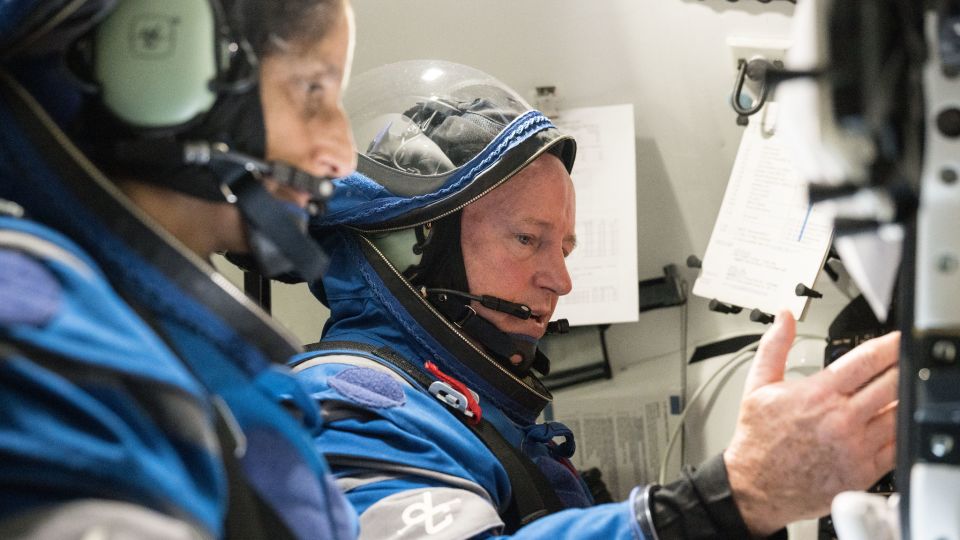
Astronaut Butch Wilmore Announces Retirement from NASA
Astronaut Butch Wilmore is retiring from NASA after a career spanning over two decades, less than five months after he returned from a mission that faced significant challenges. The space agency recently announced his retirement, marking the end of an era for one of its most experienced astronauts.
Wilmore, along with NASA astronaut Suni Williams, was part of the first crewed flight of Boeing’s Starliner spacecraft. This mission captured global attention due to multiple technical issues that arose during the journey to the International Space Station (ISS). These problems included thruster malfunctions and gas leaks, which raised concerns about the safety of the spacecraft.
Originally, Wilmore and Williams were expected to spend only eight days in orbit. However, NASA and Boeing spent several weeks analyzing the issues and determining whether it was safe to return the astronauts to Earth. Ultimately, the decision was made that returning aboard the Starliner posed too great a risk. As a result, the astronauts joined the next ISS crew rotation on SpaceX’s Crew-9 mission and remained on the space station for several additional months.
They finally returned to Earth in March, more than nine months after their initial departure. While this extended stay was longer than anticipated, it is not unusual for astronauts to spend six months or more on the ISS during rotational missions.
A Legacy of Resilience
Throughout the ordeal, both Wilmore and Williams emphasized that they were fully prepared for the unexpected situation. They acknowledged the risks involved in testing a new spacecraft and stressed that they understood the uncertainties that came with such a mission.
The astronauts also worked to counter narratives that suggested they had been "abandoned" or "stranded" in space. In an interview with Anderson Cooper in February, Wilmore addressed these concerns directly.
“That’s been the narrative from day one: stranded, abandoned, stuck — and I get it, we both get it,” Wilmore said. “Help us change the narrative, let’s change it to: prepared and committed despite what you’ve been hearing. That’s what we prefer.”
NASA’s acting head of the Johnson Space Center, Steve Koerner, praised Wilmore for his commitment to the agency’s mission and his dedication to human space exploration. He highlighted Wilmore’s legacy of fortitude, stating that it would continue to inspire future generations of explorers and the nation as a whole.
Wilmore’s retirement follows in the footsteps of other veteran astronauts, such as Bob Behnken and Doug Hurley, who piloted the first crewed test flight of SpaceX’s Crew Dragon capsule in 2020. Both of them retired after that mission.
A Career Filled with Achievement
Wilmore, a naval officer and test pilot, has served in 21 combat missions. He joined NASA’s astronaut corps in 2000 and spent 25 years in service. During his career, he participated in three space missions, including a flight on the space shuttle Atlantis and a trip to the ISS aboard a Russian Soyuz spacecraft.
Upon his return to Earth in March via a SpaceX capsule, Wilmore expressed his willingness to fly aboard a Boeing Starliner again if given the opportunity. He emphasized the importance of addressing the technical issues that occurred during the mission.
“We’re going to rectify all the issues that we encountered. We’re going to fix them, we’re going to make it work,” Wilmore stated during a news conference. “And with that, I’d get on in a heartbeat.”
Looking Ahead
As Wilmore prepares for life after NASA, his contributions to space exploration will continue to be remembered. His resilience, dedication, and commitment to the mission have left a lasting impact on the space community. With the ongoing development of new spacecraft and missions, the lessons learned from his experiences will undoubtedly play a role in shaping the future of human spaceflight.

Post a Comment for "Astronaut Retires After Troubled Space Mission and Long Stay in Orbit"
Post a Comment