Asteroid Risk Higher Than Rabies, Study Reveals
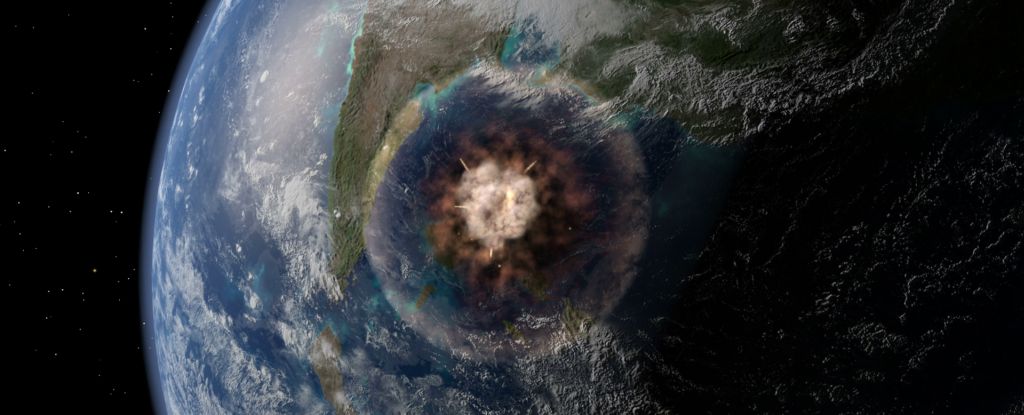
Understanding the Risk of Asteroid Impacts
If you ever find yourself lying awake at night wondering about the chances of dying from an asteroid impact, a recent study offers some clarity. Led by physicist Carrie Nugent from Olin College of Engineering in the US, this research not only calculates the likelihood of an asteroid hitting Earth during an average human lifespan but also compares that risk to other rare, preventable causes of death.
The findings reveal that while the chance of dying from an asteroid impact is higher than the risk of rabies, it's still much lower than the risk of dying in a car accident. However, all these probabilities are relatively low, suggesting that most people can go about their lives without significant concern—though wearing a seatbelt is always a good idea.
Why Compare Risks?
Comparing the risk of asteroid impacts with other preventable causes of death is essential for several reasons. While it’s challenging to determine the exact risk due to the possibility of undiscovered hazardous asteroids, there are ways to mitigate such threats. For instance, NASA demonstrated this in 2022 when it intentionally crashed a spacecraft into an asteroid to alter its trajectory. The mission was more successful than expected, with the asteroid showing a greater change in its orbit than anticipated.
These types of missions are expensive and require extensive planning. By placing the risk of an asteroid impact in context with other risks, scientists can better evaluate the potential costs involved. This comparison helps in deciding where resources should be allocated, whether it's for a rabies vaccine program or car safety features.
Calculating Impact Frequency
Nugent and her colleagues gathered data on near-Earth objects, including models of these populations and previous risk assessments for asteroids larger than 140 meters (460 feet) in size. Using this information, they calculated the frequency of impacts for such objects.
Next, they collected data on various fatal events and compared the probability of each occurring over an average global human lifespan of 71 years. The study included nine other potentially deadly events: dry sand hole collapse, elephant attacks, lightning strikes, skydiving accidents, carbon monoxide poisoning, injury-causing car crashes, rabies, and influenza illness.
They then determined how likely a person would be to experience one of these events and how likely they would be to die from them. Many of these events, like catching the flu, don’t always result in death, making the probabilities regionally variable. For example, someone in Australia is less likely to die from a coyote attack or rabies than someone in the US.
Key Findings
The results show that the flu is similarly deadly to an asteroid impact but far more likely to occur. The law of averages suggests that the flu will kill more people than an asteroid does. Dry sand hole collapses, although almost always fatal, have a very low chance of occurring within a human lifetime—about one in a million.
Translating these risk assessments into real-world scenarios requires context. For instance, more than three people die annually from dry sand hole collapses, with an average age of 12. As far as we know, no humans have ever died from an asteroid impact.
However, as the dinosaurs might remind us, the consequences of a single asteroid strike could easily outweigh a history of misses. This raises the question: Is Earth overdue for another asteroid? Should we be cautious and take preventive measures, or are we worrying unnecessarily?
It's hard to say for sure. But at least we now know to avoid sand holes.
Conclusion
This research, set to appear in the Planetary Science Journal, is currently available on the preprint server arXiv. It provides valuable insights into the relative risks of various life-threatening events, helping to put the threat of an asteroid impact into perspective. While the chances of such an event are low, understanding these risks can inform better decision-making and resource allocation.

Post a Comment for "Asteroid Risk Higher Than Rabies, Study Reveals"
Post a Comment