Arizona Lawmakers to Convene Amid Child Deaths Spark DCS Concerns
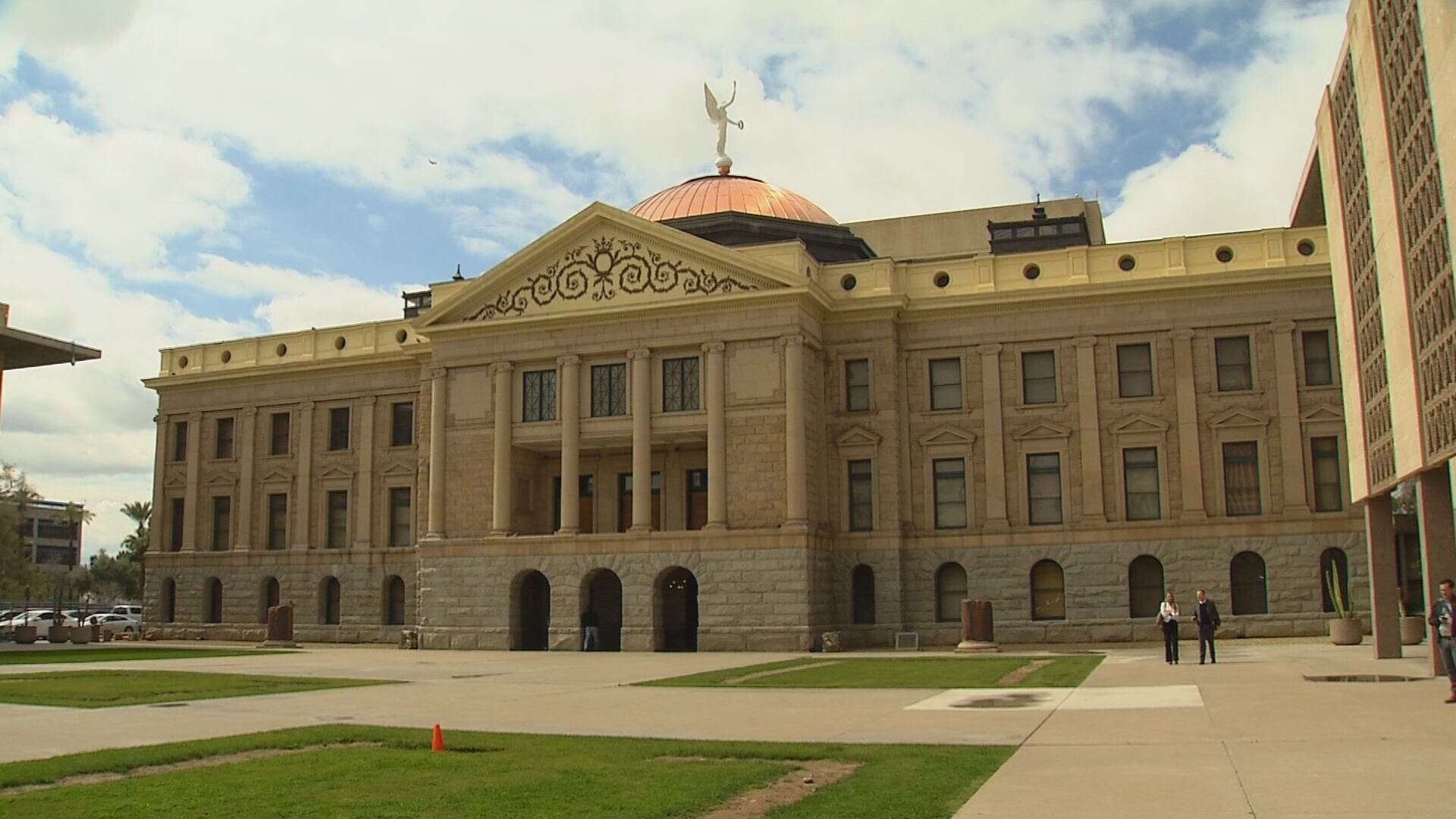
Concerns Over Child Protection Failures Prompt Closed-Door Meeting
In response to a series of tragic incidents involving children in Arizona, members of the Arizona State Senate have announced plans for a closed-door meeting. This gathering aims to address concerns about the performance of the Arizona Department of Child Safety (DCS) and explore ways to prevent future tragedies.
State Senator Carine Werner, a Republican from Scottsdale, emphasized the urgency of the situation. She stated that the deaths of three children—Emily Pike, Zariah Dodd, and Rebekah Baptiste—should serve as a wake-up call for all involved in child protection systems. “These tragedies make it painfully clear that when our child protection systems fail, the consequences can be horrific,” she said. “We cannot allow these failures to repeat.”
The first stakeholder meeting is scheduled for September 3. It will bring together officials from DCS, representatives from Tribal Nations, law enforcement agencies, lawmakers, and child welfare experts. The primary goal of the meeting is to identify areas for improvement and develop long-term reforms to ensure the safety of children in the state.
Tragic Cases Highlight Systemic Issues
The cases that have sparked this concern are deeply troubling. Emily Pike, a 14-year-old, was found dead after running away from her group home in Mesa. Zariah Dodd, a 16-year-old, was discovered shot in a west Phoenix park after leaving her group home. Meanwhile, 10-year-old Rebekah Baptiste was found dead following multiple reports of abuse. Her father and his girlfriend have been charged with her murder.
Arizona’s Family Investigates uncovered that Rebekah’s school had contacted DCS about a dozen times, but only four of those calls were assigned to an investigator. In response to these findings, DCS clarified that Empower School had called the hotline five times, and only one of those calls met the agency’s “statutory report criteria.” According to DCS, the remaining calls did not meet the threshold for initiating an investigation.
DCS Explains Reporting Criteria
DCS officials explained that the basic criteria for reporting abuse or neglect require the victim to be under 18 and involve allegations of physical, emotional, sexual abuse, neglect, abandonment, or exploitation by a parent, guardian, or other adult in the household who resides in Arizona. Additionally, the allegation must indicate that the parent’s conduct has either harmed the child or puts the child at substantial risk of harm.
This language was updated by the legislature in 2022, changing the previous term “unreasonable risk of harm” to “substantial risk of harm.” DCS spokesperson Darren DaRonco noted that general allegations of poor parenting do not meet the criteria for an investigation. If a call does not meet the criteria, it is reviewed again by a unit or supervisor to ensure no details are overlooked.
Commitment to Improvement
Despite the challenges, DCS expressed its commitment to improving its processes. “Rebekah deserved love, safety, and a chance to thrive,” the agency stated. “There are no words that will make sense of the pain she endured or her life that was tragically cut short. Her loss is a sorrow we carry deeply, a reminder of the work we must never stop doing.”
The department also acknowledged the impact on Rebekah’s school community, which had seen her most often. As a result, DCS pledged to educate schools on what constitutes reportable criteria, so that future calls to the hotline can lead to appropriate action.
Ongoing Efforts for Change
As the state continues to grapple with these tragic events, the upcoming meeting represents a critical step toward addressing systemic issues within the child protection system. By bringing together various stakeholders, lawmakers and officials hope to create meaningful changes that will protect children and prevent future tragedies.

Post a Comment for "Arizona Lawmakers to Convene Amid Child Deaths Spark DCS Concerns"
Post a Comment