Apple Academy Launches in Detroit Under Trump's Production Pressure
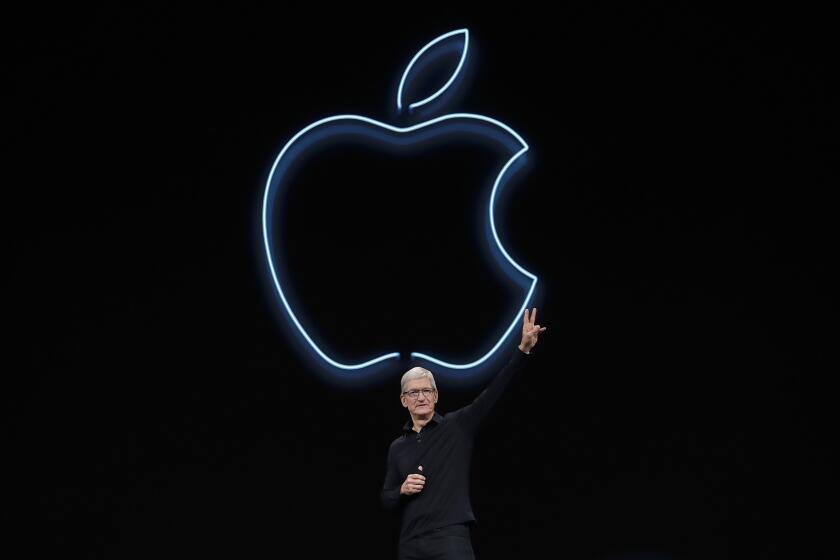
Apple's New Initiative in Detroit: Bridging Machine Learning and Manufacturing
Apple is making a significant move to bring machine learning and advanced manufacturing to the heart of American industry. On Tuesday, the tech giant launched the Apple Manufacturing Academy in Detroit, offering free workshops focused on artificial intelligence and modern manufacturing techniques for small and medium-sized businesses. This initiative is part of Apple’s broader $500-billion investment commitment in the United States, announced earlier this year.
The academy, which will be run in partnership with Michigan State University, aims to equip local businesses with the skills needed to integrate smart manufacturing solutions into their operations. Workshops will cover topics such as machine learning, automation, and digital manufacturing technologies, with Apple experts leading the sessions. Sabih Khan, Apple’s chief operating officer, expressed excitement about the opportunity to help businesses unlock new potential through these advancements.
In addition to the workshops, Apple plans to offer consulting services to businesses, both virtually and in person. The company also intends to roll out online courses this year, focusing on areas like project management and optimizing manufacturing processes. These efforts are designed to support local industries and foster innovation across the U.S.
Navigating Political Pressures and Trade Challenges
Apple’s expansion into Detroit comes at a time when the company faces increasing pressure from President Donald Trump and his supporters to bring more manufacturing jobs back to the United States. Trump has repeatedly urged Apple to shift iPhone production from China to American soil. He has also implemented tariffs that could significantly increase Apple’s costs.
Recent developments have added to the complexity. In August, Trump threatened to impose tariffs as high as 25% on Indian imports if a trade agreement isn’t reached by that date. Additionally, the U.S. maintains a 30% baseline tariff on Chinese goods, which expires in August. Trump has warned that these duties could rise further without a new deal.
This political climate has influenced Apple’s strategic decisions. In May, Trump criticized Apple CEO Tim Cook after it was revealed that the company was expanding production in India to avoid tariffs on Chinese goods. During a meeting, Trump reminded Cook of Apple’s $500-billion investment promise, stating, “I don’t want you building in India.”
Despite these pressures, Apple continues to diversify its manufacturing footprint. The company aims to produce about a quarter of the world’s iPhones in India over the next few years, reducing its reliance on Chinese manufacturing. Apple has been gradually expanding to other markets, including Vietnam and India, as it seeks to build a more resilient supply chain.
Managing Relations with the White House
Cook has maintained a close relationship with Trump since the president’s first term, often engaging in direct communication through phone calls and meetings. His approach proved effective in 2019 when he successfully lobbied Trump to exempt iPhones from China tariffs. Cook argued that the tariffs would lead to higher prices and benefit competitors like Samsung. As a result, the Trump administration excluded iPhones and other electronics from the tariff plan.
Expanding Apple’s Presence in the U.S.
The Detroit facility marks another step in Apple’s growing presence in the city. The company already operates an Apple Developer Academy in partnership with Michigan State University, training around 200 students annually in software development.
While Apple currently produces very few products in the U.S., it has made some moves to expand domestic manufacturing. The company builds the Mac Pro in Austin, Texas, and has announced plans to construct AI servers in Houston. It also purchases chips from a Taiwan Semiconductor Manufacturing Co. factory in Arizona.
Experts suggest that moving iPhone production to the U.S. would be extremely costly due to the high expenses involved in setting up domestic manufacturing facilities. However, Apple’s continued efforts to diversify its supply chain and invest in American manufacturing highlight its long-term vision for growth and resilience.

Post a Comment for "Apple Academy Launches in Detroit Under Trump's Production Pressure"
Post a Comment