Appeals Court Halts Oak Flat Land Swap, Boosting Copper Mine Opponents
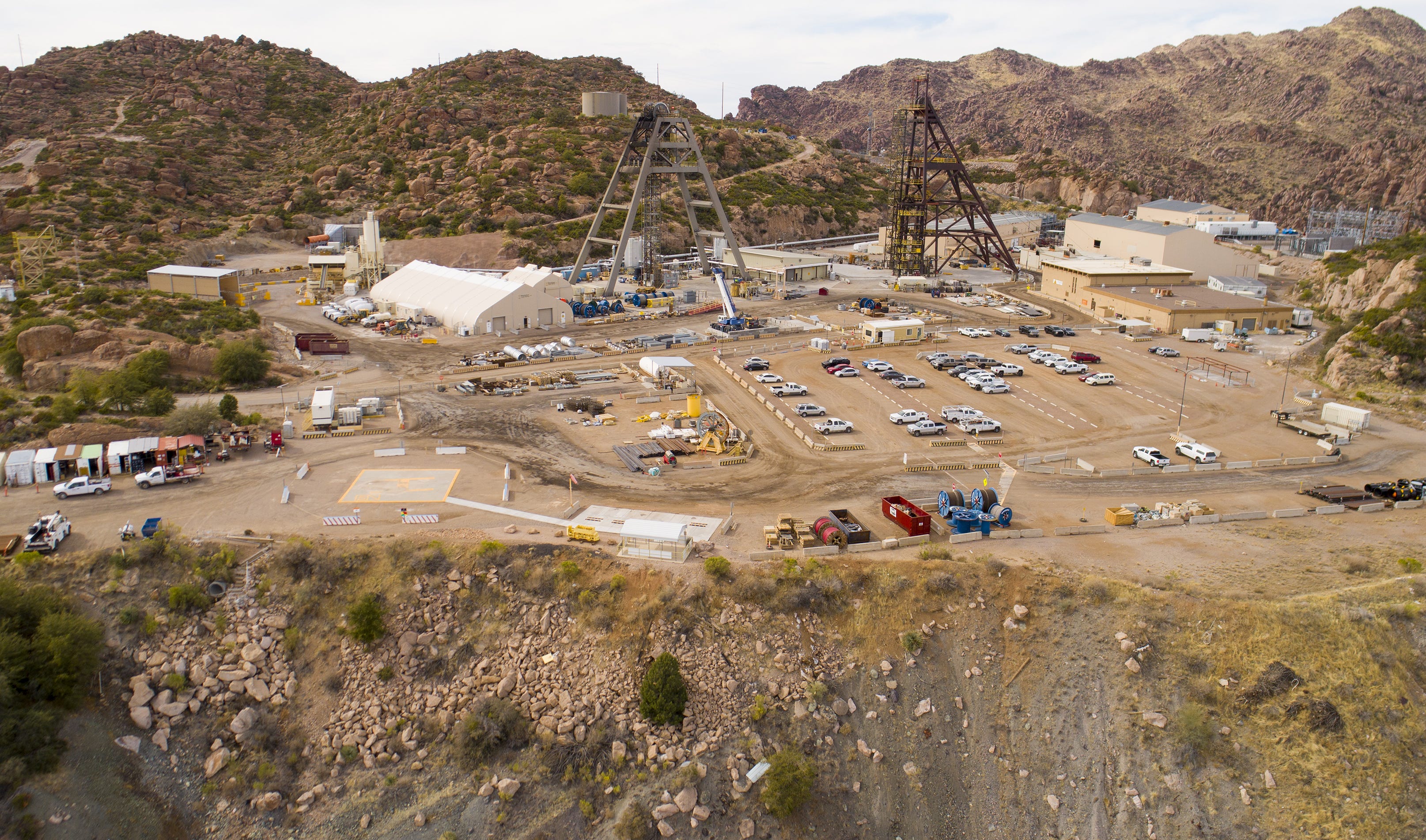
Temporary Halt on Land Exchange at Oak Flat
A federal appeals court temporarily stopped a land exchange that would have allowed the construction of a copper mine on a site considered sacred by Arizona tribes. The decision was made just hours before the swap could have been completed.
On Monday, August 18, the 9th U.S. Circuit Court of Appeals issued a temporary restraining order to block the land exchange at Oak Flat, where Resolution Copper aims to extract ore from beneath 2,200 acres of forest and wetlands. This ruling came just before the end of a 60-day review period for the land exchange, which has faced over two decades of delays, legal battles, and a congressional act.
A coalition of environmentalists, tribes, and the San Carlos Apache Tribe requested the temporary injunction after a district judge refused to halt the exchange until the case was heard. The groups expressed their excitement about having their day in court.
Maria Dadgar, executive director of the Inter Tribal Association of Arizona, emphasized the long-standing connection of tribes to the land. “Tribes have been on these lands now called Arizona since time immemorial. Over the decades, we have strived to successfully provide for the health and welfare of our people while maintaining our status as sovereign nations,” she said. She also highlighted the importance of protecting the environment, stating, “We believe that the health of our people correlates with the health of the land, the water and the environment that surrounds us.”
Roger Flynn, attorney for the groups opposing the land exchange, noted the significance of the court's decision. “The court rightly understood the important issues at stake. There is too much at stake to rush forward with this ill-advised give-away of our priceless public lands.”
Resolution Copper described the ruling as a "temporary pause" to allow the court to consider the case. The company expressed confidence that the court would uphold the earlier ruling that the congressionally directed land exchange satisfies all applicable legal requirements.
The Significance of Oak Flat
Oak Flat Campground, known to Apaches as Chi’chil Biłdagoteel, "the place where the Emory oak grows," has been central to a battle over Native religious rights on public lands and the preservation of one of Arizona’s most scarce commodities, a wetland. The 2,200-acre primitive campground and riparian zone within the Tonto National Forest lies over one of the nation's largest remaining bodies of copper ore.
Tribes, environmentalists, and their allies have fought to prevent Oak Flat from being given to Resolution Copper in exchange for other environmentally sensitive lands in Arizona. The company had pursued the land exchange with the Forest Service for about 10 years before it became attached to a defense bill by lawmakers led by the late Sen. John McCain in December 2014.
To obtain the copper ore, Resolution will use a method known as block cave mining, which involves drilling tunnels beneath the ore body and collapsing them, leaving the ore to be moved to a crushing facility. Eventually, the ground will subside, creating a crater about 1,000 feet deep and nearly 2 miles across, erasing Oak Flat and its religious and environmental significance.
Concerns About Viability and Environmental Impact
Despite the potential economic benefits, some experts question the viability of the mine. One former Magma Mine manager, Harry Winters, has raised concerns about the geology and the challenges of deep mining operations. He pointed out the high temperatures at deep levels and the need for advanced technology, which may not exist yet.
Winters also expressed concerns about the potential impact on nearby areas like Apache Leap, noting that if the rock structure shifts, the mountain could be affected. Additionally, he questioned whether the rock would collapse as planned, which could lead to unforeseen consequences.
Copper Processing and Import Tariffs
Because the United States lacks smelting capacity, copper mined at Resolution would likely be refined in Chinese facilities. Tariffs may then increase the cost for U.S. manufacturers to get their refined copper products back. The Trump administration imposed tariffs on copper imports, including a 30% import duty on semi-finished copper products and a phased universal 15% tariff on refined copper in 2027, rising to 30% in 2028.
Interior Secretary Doug Burgum recommended domestic sales requirements for copper and export controls on copper scrap. The U.S. has only three copper smelters, two in Arizona and one in Utah, with the Kennecott facility in Utah operating at maximum capacity.
Oak Tree Restoration Efforts
Resolution has undertaken efforts to restore Emory oak groves, partnering with the U.S. Forest Service, Northern Arizona University, and some Apache tribes. The Emory Oak Collaborative Tribal Restoration Initiative focuses on restoring and protecting priority Emory oak groves. One such grove is located at the JI Ranch east of Oak Flat, where the company monitors acorn production and supports grove restoration.
Legal Battles and Ongoing Litigation
The Oak Flat mine has been involved in extensive litigation. Grassroots group Apache Stronghold filed a lawsuit in January 2021, citing religious rights guarantees under the First Amendment and the Religious Freedom Restoration Act. The Becket Fund for Religious Liberty represented Apache Stronghold, along with private attorneys and law professors.
Two other suits were filed in January 2021 by the San Carlos Apache Tribe and a coalition of environmentalists and tribes. These cases were held pending the filing of a new EIS after the Biden administration rescinded the original EIS in March 2021 for further consultation with tribes. The Forest Service concluded consultation in 2023, and Resolution was granted permission to join the lawsuit in 2023.
In 2024, the 9th U.S. Circuit Court of Appeals ruled against Apache Stronghold in a narrow 6-5 decision. The group appealed to the U.S. Supreme Court, but the court turned down the request in May.
Environmentalists and tribal groups continue to fight for the protection of Oak Flat, vowing to oppose the land exchange even if final appeals go against them. They argue that the transfer of public lands to a foreign-owned mining company poses risks to U.S. control of critical resources.

Post a Comment for "Appeals Court Halts Oak Flat Land Swap, Boosting Copper Mine Opponents"
Post a Comment