Animals in National Parks Alter Habits Due to Human Impact
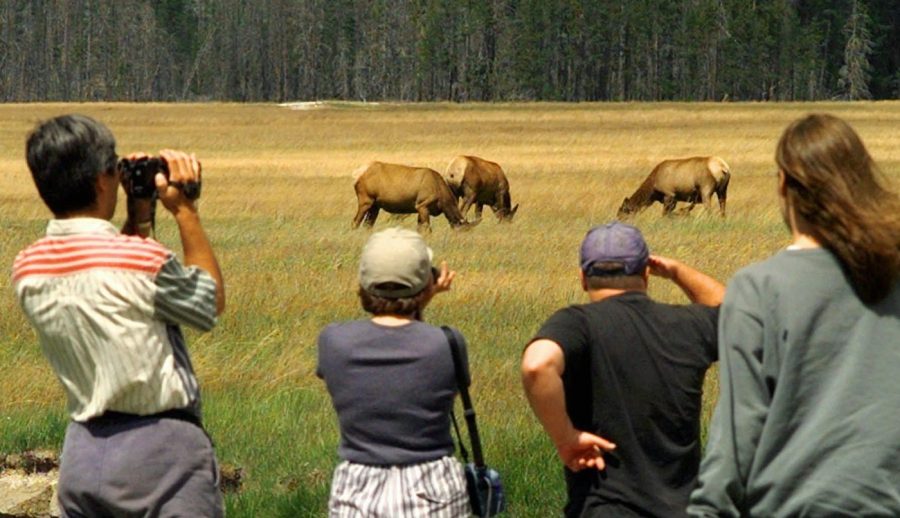
Human Influence on Wildlife Behavior in U.S. National Parks
The increasing presence of humans and their infrastructure within U.S. national parks has significantly altered the behaviors of large animals that inhabit these areas, according to a recent study. The research highlights how wildlife continues to avoid human-constructed elements such as roads, trails, and facilities, even during periods when human activity was drastically reduced.
During the pandemic-era lockdowns in 2020, which temporarily closed many national parks, animals generally maintained their tendency to avoid human infrastructure. However, this behavior wasn’t universal. In more developed regions, some species shifted from avoiding human structures in 2019 to utilizing them more frequently in 2020. Despite these exceptions, the overall pattern of avoidance remained strong, especially in remote areas.
Kaitlyn Gaynor, a zoologist at the University of British Columbia and the lead author of the study, noted that wildlife worldwide tends to fear people and avoid areas with high human activity. She expressed surprise at finding this behavior in more remote protected areas as well.
To understand these patterns, researchers analyzed GPS collar data from 229 animals across 10 species in 14 national parks and protected areas between 2019 and 2020. This timeframe allowed them to compare animal movements before and during the so-called “Anthropause” — a period marked by significantly fewer human visitors due to the pandemic.
The study focused on species such as grey wolves, mountain lions, black and grizzly bears, moose, mountain goats, and bighorn sheep. Overall, the findings showed that animals tended to avoid human infrastructure, although the extent of this avoidance varied among different populations, species, and individuals.
For example, animals in more developed areas were more likely to explore human spaces when no people were around in 2020. At Yosemite National Park, black bears remained in the valley after restrictions were lifted, leading to issues as they became accustomed to the available food sources.
Gaynor pointed out that while some populations, like the Yosemite black bears, showed a noticeable change in behavior, most did not. She noted that media coverage in 2020 suggested a broader impact, but she emphasized that only a few individuals changing their behavior could create the illusion of a larger shift.
The researchers also considered that the relatively short duration of park closures — averaging about 58 days — may have been insufficient for many animals to fully adapt to changes in human activity. Additionally, they speculated that risk-averse animals might have already been displaced before the pandemic, meaning those exposed to humans may have become habituated to their presence.
Forest Hayes, a postdoctoral fellow at Colorado State University and co-author of the study, highlighted the complex ways animals balance risks and benefits associated with human presence. He echoed Gaynor’s point that some species, such as bighorn sheep and mountain lions, are naturally more wary of people, while others, like mule deer and elk, may associate humans with certain advantages.
At Zion National Park, for instance, mule deer and elk often linger near humans in developed areas, possibly to avoid predators. This behavior underscores the varied responses of wildlife to human presence, which can influence ecosystem dynamics and affect how animals coexist with people.
The authors of the study emphasized the need to consider both recreational and conservation interests when managing national parks. They noted that while some species adapt to human presence, others require undisturbed areas to thrive.
Gaynor concluded that conservation efforts can coexist with low-level recreation, but it is essential to preserve some areas exclusively for wildlife. This approach ensures that ecosystems remain balanced and that species can continue to thrive alongside human activities.

Post a Comment for "Animals in National Parks Alter Habits Due to Human Impact"
Post a Comment