Animals in National Parks Alter Habits Due to Human Influence: Study
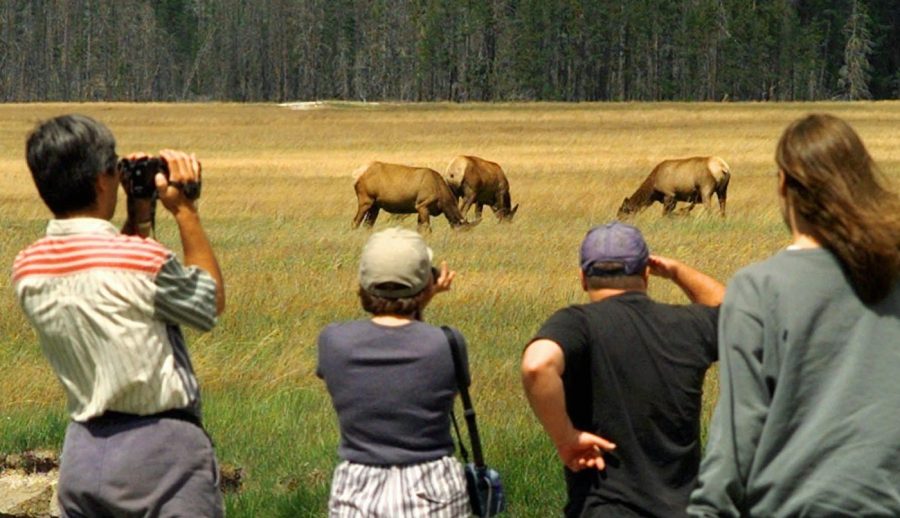
Human Activity and Its Impact on Wildlife in U.S. National Parks
The presence of humans and their infrastructure within U.S. national parks has significantly influenced the behavior of large animals, according to a recent study. This research highlights how wildlife continues to avoid human-made structures even during periods of reduced human activity, such as the pandemic-era lockdowns.
The study, published in the Proceedings of the Royal Society B, analyzed data from 2019 to 2020, capturing how animals navigated areas with high human activity before and during what researchers termed a "Anthropause" — a period marked by fewer visitors due to the pandemic. The findings revealed that while some animals adapted to the absence of people, most continued to exhibit avoidance behaviors toward roads, trails, and other human developments.
Key Findings from the Study
Researchers evaluated GPS collar data from 229 animals representing 10 species across 14 national parks and protected areas. These species included grey wolves, mountain lions, black and grizzly bears, moose, mountain goats, and bighorn sheep. The study aimed to understand how these animals responded to changes in human activity levels.
One of the notable observations was that animals in more developed areas showed a tendency to explore human infrastructure when there were no people around. For example, in Yosemite National Park, black bears remained in the valley after closures, leading to issues as they became accustomed to the available food sources.
Despite these exceptions, the study found that most animals did not significantly alter their behavior. Lead author Kaitlyn Gaynor, a zoologist at the University of British Columbia, noted that while some headlines suggested animals were reclaiming national parks, the actual impact was less dramatic. She emphasized that it takes only a few individuals to create the perception of a larger change.
Factors Influencing Animal Behavior
Several factors may explain why many animals did not change their behavior. The relatively short duration of the pandemic closures, averaging about 58 days, might have been insufficient for animals to fully adapt to the changes in human activity. Additionally, risk-averse animals may have already been displaced before the pandemic began, meaning those exposed to humans were already habituated to their presence.
Co-author Forest Hayes, a postdoctoral fellow at Colorado State University, highlighted the complex ways animals balance risks and benefits associated with humans. Some species, like bighorn sheep and mountain lions, tend to be more wary of people, while others, such as mule deer and elk, may associate humans with certain benefits.
For instance, in Zion National Park, mule deer and elk often linger around humans in developed areas, possibly as a strategy to avoid predators. This behavior underscores the varied responses of different species to human presence.
Implications for Conservation and Recreation
The study's findings have important implications for managing national parks, where the coexistence of recreation and conservation is essential. The varying responses of animals to human activity can influence how species compete and affect ecosystem dynamics.
Gaynor stressed that while conservation and recreation can coexist at low levels, it is crucial to maintain some areas exclusively for wildlife. This approach ensures that animals can continue to thrive without the pressures of human activity.
Understanding these behaviors helps park managers develop strategies that support both wildlife and public enjoyment of natural spaces. As human activity continues to shape the environment, ongoing research will be vital in balancing the needs of nature and people.

Post a Comment for "Animals in National Parks Alter Habits Due to Human Influence: Study"
Post a Comment