Animals in National Parks Adapt to Human Presence: Study
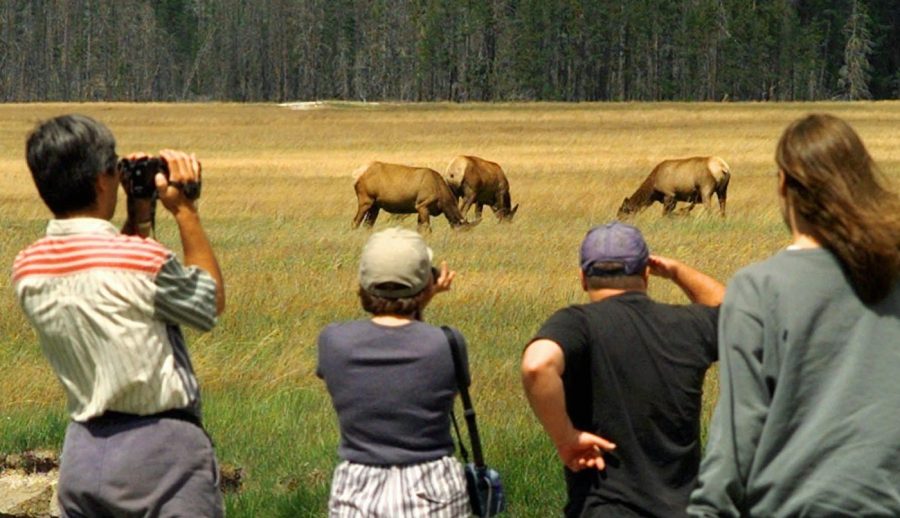
Human Influence on Wildlife Behavior in National Parks
The presence of humans and their infrastructure within U.S. national parks has significantly altered the behavior of large animals living in these areas, according to a recent study. The research highlights how even during periods when human activity was reduced, such as during the pandemic-era lockdowns in 2020, many animals continued to avoid human-made structures like roads, trails, and facilities.
This pattern wasn’t universal, however. In more developed regions, some animals shifted from avoiding human infrastructure in 2019 to using it more frequently in 2020. Despite this variation, the overall trend showed that wildlife in most national parks, especially those in remote locations, maintained their avoidance behaviors.
Kaitlyn Gaynor, the lead author of the study and a zoologist at the University of British Columbia, noted that “wildlife all around the world fear people and avoid areas of high human activity.” She added that it was surprising to see this behavior persist even in more remote protected areas.
To understand these patterns, researchers analyzed GPS collar data from 229 animals across 10 species in 14 national parks and protected areas between 2019 and 2020. This timeframe allowed them to compare animal movements before and during the so-called “Anthropause” — a period marked by a significant reduction in human visitors due to the pandemic.
The species studied included grey wolves, mountain lions, black and grizzly bears, moose, mountain goats, and bighorn sheep. Overall, the findings indicated that animals generally avoided human infrastructure, though the extent of this avoidance varied among species, populations, and individuals.
For instance, animals in more developed areas were more likely to explore human spaces when no people were present in 2020. At Yosemite National Park, black bears remained in the area after closures ended, leading to issues with the bears becoming accustomed to the food sources available in the park.
Gaynor explained that while some populations, like the Yosemite black bears, showed a strong response to the park shutdowns, “most did not.” She pointed out that media coverage in 2020 suggested that animals were reclaiming national parks, but the study found that the effect was not as widespread as reported. “It takes just a few individuals to start changing their behavior to create the perception of a larger impact,” she said.
The researchers also considered the short duration of the pandemic closures, which averaged about 58 days. They hypothesized that this time frame may not have been long enough for many animals to fully adjust to changes in human activity. Additionally, they speculated that some animals may have already been displaced before the pandemic, meaning that those exposed to humans were already habituated to their presence.
Forest Hayes, a co-author and postdoctoral fellow at Colorado State University, emphasized the complex ways animals balance risks and benefits associated with human presence. He noted that some species, like bighorn sheep and mountain lions, are more wary of people, while others, such as mule deer and elk, have learned to associate humans with potential benefits, such as avoiding predators.
These varying responses highlight the challenges of managing national parks, where recreation and conservation efforts often intersect. The study’s authors pointed out that different animal behaviors can influence competition among species and alter ecosystem dynamics, affecting how animals coexist with humans.
Gaynor concluded that while conservation and recreation can coexist at low levels, “we do need to keep some areas exclusively for wildlife.” This approach could help preserve natural habitats and ensure the long-term survival of various species.
The findings underscore the ongoing impact of human activity on wildlife and the need for thoughtful management strategies that consider both ecological and recreational needs. As national parks continue to attract visitors, understanding and mitigating the effects of human presence will remain crucial for maintaining healthy ecosystems.

Post a Comment for "Animals in National Parks Adapt to Human Presence: Study"
Post a Comment