Ancient Hawaiian petroglyphs revealed on beach shore
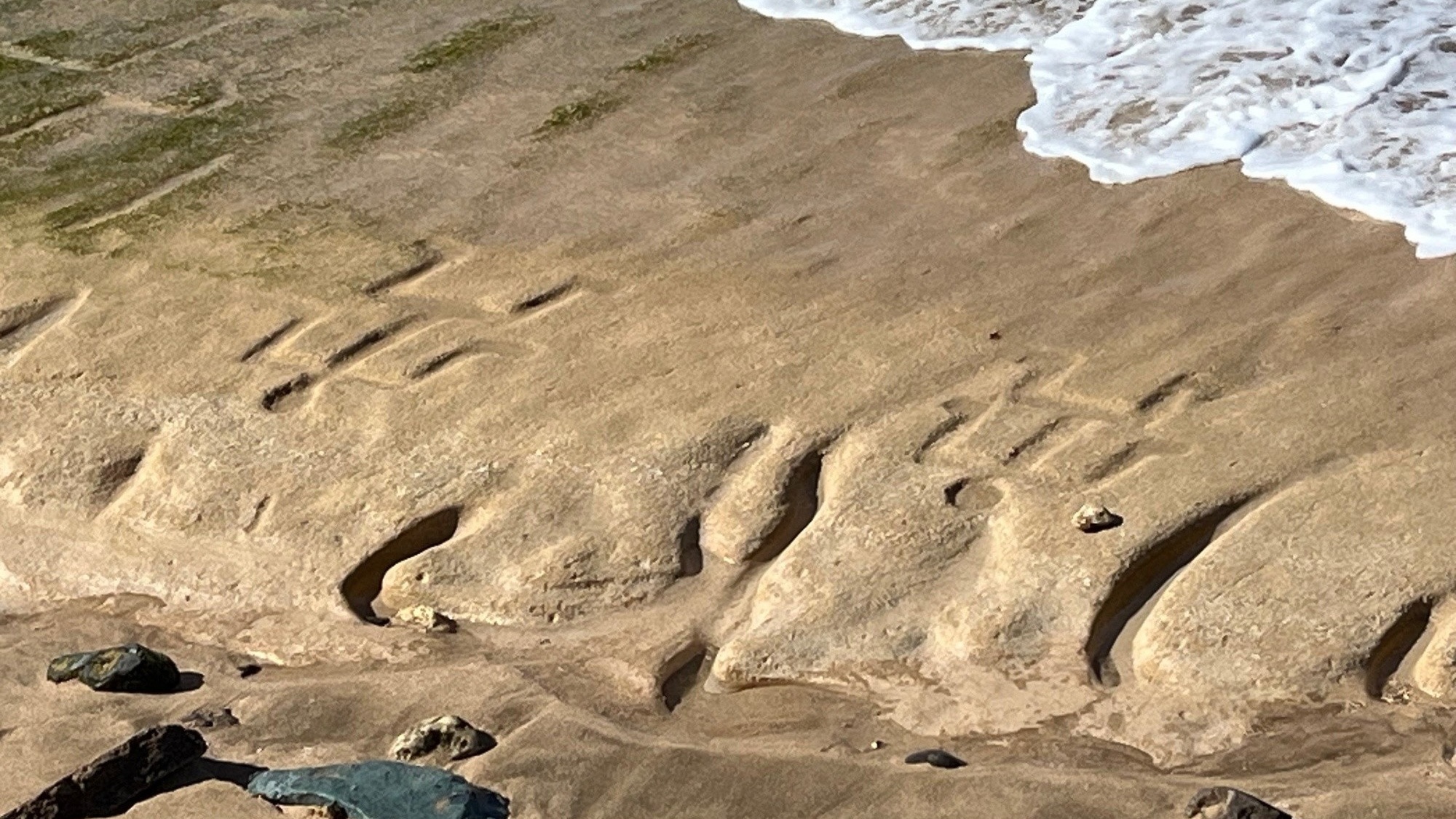
The Resurfacing of a Historic Petroglyphs Site on Oahu
A remarkable piece of ancient art, estimated to be at least 500 years old, has recently become visible along the shores of Oahu in Hawaii. This 115-foot-long sequence of petroglyphs is now exposed near the Pililaau Army Recreation Center, offering a rare glimpse into the artistic traditions of early Hawaiian culture. The site was first fully documented in 2016, and researchers believe that these intricate carvings were created by native Hawaiian artists on lithified sandstone around the year 1500.
The petroglyphs feature 26 distinct designs, ranging in size from approximately 5.9 inches to 6.6 feet tall. Among them, 18 figures are believed to represent human forms, with eight of those depicting male genitalia. Others are shown in dynamic poses, suggesting movement or activity. One of the largest figures appears to reach one hand toward the sky and the other toward the ground, adding an element of symbolic meaning to the artwork.
Laura Gilda, the principal archaeologist for the site, noted in a statement that while an exact date cannot be determined, the petroglyphs could potentially be over 600 years old. This estimate is based on nearby archaeological sites and the historical context of the region. Gilda’s team has already recorded the engravings to share with local Indigenous communities and to ensure the site remains protected from potential damage caused by visitors.
The petroglyphs are not always visible, as they are typically covered by shifting sands. Seasonal tides and wave action can occasionally expose the artwork, making it a rare and fleeting opportunity for study and appreciation. These stone etchings are among the oldest forms of human artistic expression, reflecting the cultural heritage of the early Polynesian settlers who arrived in the Hawaiian Islands between 940 and 1200 CE.
Over the centuries, the local community developed independently, creating a rich cultural identity before European contact. In 1778, British Captain James Cook became the first known European to arrive in Hawaii, marking a turning point in the islands’ history. The arrival of Europeans brought significant changes, including the introduction of new technologies and the eventual unification of the islands under King Kamehameha I in 1795.
King Kamehameha I established a powerful dynasty that lasted nearly a century despite external pressures. His rule saw the creation of a multiethnic society, and in 1840, Hawaii took a progressive step by forming a constitutional monarchy that granted voting rights to all citizens regardless of race, gender, or wealth. However, this progress was soon challenged by outside interests.
In 1893, corporate entities such as the Dole fruit company orchestrated an illegal coup that led to the overthrow of Queen Liliʻuokalani, the last reigning monarch of Hawaii. With the help of U.S. Marines, the queen was deposed, and the islands briefly became the Republic of Hawaii before being annexed by the United States in 1898. Hawaii eventually achieved statehood in 1959, becoming the 50th state of the Union.
Glen Kila, a native Hawaiian cultural practitioner and 72-year-old descendant of the island’s original inhabitants, shared his perspective on the significance of the petroglyphs. He believes the artwork likely served religious or ceremonial purposes before European contact. Despite experiencing difficult interactions with military personnel during his childhood, Kila expressed no resentment toward the United States. He emphasized a deep connection to his heritage and a belief that the land would one day return to its original stewards.
The rediscovery of this ancient site offers valuable insights into the cultural and historical legacy of Hawaii. It serves as a reminder of the enduring strength and resilience of the Native Hawaiian people, whose traditions continue to shape the islands' identity today.

Post a Comment for "Ancient Hawaiian petroglyphs revealed on beach shore"
Post a Comment