Anchorage Attorney's Delay Linked to Mexican Drug Cartel, Feds Say
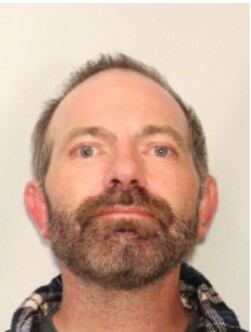
Legal Challenges and Ongoing Investigations Surround Anchorage Attorney
A suspended Anchorage defense attorney, Justin Facey, is facing serious legal challenges after federal prosecutors allege he was involved with a Mexican drug cartel. His lawyer has raised concerns about his continued placement in segregated custody, even as the case moves forward with new charges and ongoing court proceedings.
Facey, 45, initially pleaded not guilty in May to allegations that he helped operate a large-scale drug ring in Alaska from his home in Anchorage. The charges included maintaining a drug-involved premises, possession of firearms in furtherance of drug trafficking, and being a prohibited person in possession of firearms. On Monday, he was arraigned on two additional charges: possession of methamphetamine with intent to distribute and the presence of a minor during such activity, along with another count of possessing firearms in furtherance of drug trafficking crimes.
The trial setting conference, which was scheduled for Tuesday, was postponed by both parties. The prosecution cited the “complex degree of discovery” as the primary reason for the delay. A new trial setting conference has been set for Wednesday, December 10.
Facey’s attorney, Nicholas Vieth, expressed concern over the limited access to his client due to his continued placement in administrative segregation. Vieth stated that Facey had requested to remain in segregation, but he believes this claim is false. He argued that being held in segregation has hindered his ability to review discovery materials necessary for the trial.
The Alaska Department of Corrections (DOC) confirmed that Facey is housed according to his classification, though they declined to provide specific details about his housing location. A public information officer from DOC stated that no further information would be shared at this time.
According to prosecutors, between April 2024 and April 2025, Facey used his Anchorage residence to distribute and use illegal drugs, including fentanyl and methamphetamine. They also allege that he illegally possessed four firearms. Court documents reveal that law enforcement became aware in June 2023 that Facey was using his license to practice law in Alaska to facilitate a large-scale drug-trafficking organization.
Court records show that Facey communicated with Heraclio Sanchez-Rodriguez, a man allegedly leading the drug-trafficking operation. These communications were reportedly made through a contraband cell phone while Sanchez-Rodriguez was in a California prison. In October 2023, Sanchez-Rodriguez was indicted on federal drug trafficking and murder charges related to a Trapper Creek double homicide.
In total, more than 50 other defendants have been charged in connection with Sanchez-Rodriguez’s Alaska drug-trafficking operation. Sanchez-Rodriguez is currently scheduled for continued evidentiary hearings in September for his alleged involvement in what has been described as one of the largest drug trafficking rings in Alaska’s history. He is being held in an Alaska facility pending his trial.
As the case continues, questions remain about the circumstances surrounding Facey's continued segregation and the implications for his legal defense. The upcoming trial setting conference will likely provide more clarity on the next steps in the case.

Post a Comment for "Anchorage Attorney's Delay Linked to Mexican Drug Cartel, Feds Say"
Post a Comment