Analysis Reveals Impact of 'One Big Beautiful Bill' on New York's Asian Community
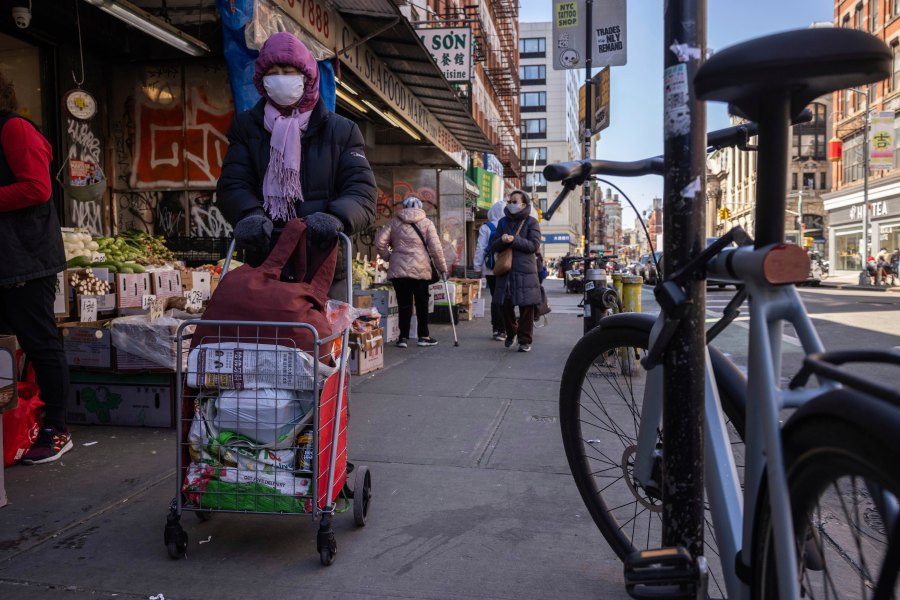
The Impact of H.R. 1 on New York’s Asian American Community
H.R. 1, also known as the "One Big Beautiful Bill," has sparked significant concern among New York's Asian American community. According to the Asian American Federation (AAF), this legislation cuts taxes for the wealthiest Americans while potentially costing New York $14 billion in healthcare funding. The bill is particularly harmful to New Yorkers of Asian descent, including children, immigrant families, seniors, healthcare workers, and college students.
Assemblymember Grace Lee, the first Korean American woman elected to New York State government, has criticized the bill, calling it a direct attack on Asian American New Yorkers. She emphasized that the impact will be felt across hospitals, classrooms, and homes. While some wealthier households and Asian-owned small businesses may benefit from tax cuts, AAF warns that cuts to health insurance and food assistance will devastate working-class Asian American communities in New York.
The bill slashes funding for Medicaid, the Affordable Care Act, and the Supplemental Nutrition Assistance Program (SNAP). This threatens healthcare, food aid, and education for millions of New Yorkers. Additionally, it increases the budget for Immigration and Customs Enforcement (ICE) by 308%, creating an atmosphere of fear among residents.
Senator John Liu, a Democrat representing northeast Queens, highlighted that the increased ICE presence exacerbates fear and distrust, especially within immigrant communities. He noted that this fear extends beyond immigration enforcement to agencies like the Department of Health and schools, pushing people into the shadows.
Asian immigrants, who make up 24% of the state’s undocumented population, are at higher risk of being arrested, facing workplace raids, or being separated from their families. About 501,100, or 27%, of non-citizen New Yorkers are Asian. Attorney General James has sued over federal demands for SNAP data, further highlighting the concerns of the community.
New fees introduced by the bill add to the burden faced by Asian Americans in New York. These include:
- $5,000 for undocumented immigrants who miss court hearings
- $1,500 to adjust green card status
- $1,050 for waivers of inadmissibility
- $1,000 for asylum applications
- $900 to appeal or file motions
- $550 for work permits
- $250 for visas
- $100 in annual fees for pending cases
- 1% tax on non-bank transfers, affecting one in four Asian Americans who send money to family abroad
The bill also threatens health insurance for many Asian New Yorkers, particularly those on the Essential Plan, which is crucial for low-income and immigrant residents. About 636,000 Asian New Yorkers, or 31.5% statewide, rely on Medicaid, medical assistance, or other government assistance plans for low-income individuals or those with a disability.
Work requirements of about 80 hours per month and new paperwork would disproportionately affect this community due to limited English skills and unreliable internet access. In New York City, 45% of older Asians live in or near poverty, and 70% have limited English proficiency, making these new rules particularly challenging.
Arrests of immigrants from Asian countries like China, Bangladesh, and India are already rising compared to the same period last year. Immigration arrests in the Chinese community increased by 1044% from 2024, and in the Bangladeshi community by 1000%. While New York City’s sanctuary policies offer some protection, the better-funded ICE will increase enforcement in the region, endangering those who travel or work outside the city.
The bill cuts funding for SNAP and the Children’s Health Insurance Program, putting children and families at risk of food insecurity and affecting healthcare access for children. About 36% of Asian American children in New York live in or near poverty, and 40% of all Asian households in the state rely on SNAP. About 315,200 Asian New Yorkers, or 16%, get SNAP.
OBBB also threatens 34,000 hospital-related jobs across the state, including almost 3,000 in the Bronx, an area with a high concentration of Asian American healthcare workers. The healthcare industry represents a major employer in the community, employing nearly 17% of Asians statewide.
These job losses will not only impact Asian American workers but also reduce language and culturally competent care access for patients with limited English. Reducing this workforce would create more barriers, while safety net hospitals serving immigrant and low-income communities face budget shortfalls, layoffs, service cuts, and closures.
The bill cuts Pell Grants and caps federal student loans, making college less affordable for Asian American students of college age, of whom there are 99,311 in New York. Nationally, 47% of Asian American college students currently receive federal financial aid, and 36% of Pell Grant recipients are Asian. That means tens of thousands of Asian students in New York would have to delay or drop out of school.
AAF suggested that New York increase funding for community-based organizations that provide linguistically appropriate and culturally competent assistance to Asian New Yorkers, as many nonprofits and grassroots organizations are already facing huge demand with dwindling resources. The issue extends beyond New York City, with Asian Americans representing the fastest-growing racial group in the state, with over 2.1 million residents statewide.
U.S. Congressmember Grace Meng of New York’s 6th District, who chairs the Congressional Asian Pacific American Caucus, criticized OBBB after it passed. “President Trump and congressional Republicans just rammed through one of the worst pieces of legislation in American history,” she said. “These devastating cuts will be felt in every corner of the country, including in Asian American, Native Hawaiian, and Pacific Islander communities.”
In response to OBBB, Liu and Meng hosted a roundtable discussion in Queens, convening experts from various organizations to discuss the real-life consequences of the bill's cuts to Medicaid, the Affordable Care Act, and SNAP.
Per AAF and Liu, there is a pervasive myth of the "model minority," theorizing that Asian Americans are always doing well. This myth masks the vulnerability of low-income Asian immigrants, especially the elderly, undocumented, or newly arrived. This invisibility manifests as policy neglect, with the government assuming that Asians will successfully advocate for themselves without a safety net. But without strong community outreach, many Asian immigrants won’t realize they’ve lost benefits because of language barriers, digital access, and few sources of information that they trust.
Asian Americans are essential to every sector: frontline and essential workers, students, small business owners, and caregivers. Yet this law guts the programs our families rely on. When any community is targeted, all New Yorkers are at risk.
Separately, a national poll from AAPI Data and the Associated Press-NORC Center for Public Affairs Research recently found that Trump’s favorability has fallen among Asian American, Native Hawaiian, and Pacific Islander adults since last year. The percentage of AAPI adults with an unfavorable opinion of Trump rose to 71% in July, up from 60% in December 2024. About seven in 10 AAPI independents currently have an unfavorable opinion of Trump, up about 20 percentage points since December.
Economic concerns play a central role in the shift. About eight in 10 AAPI adults expect Trump’s tariff policies will increase the cost of consumer goods, while only about four in 10 think tariffs will increase domestic manufacturing. Just two in 10 anticipate more U.S. jobs as a result.
The poll, conducted over June 3 to June 11, found that 65% of AAPI adults are concerned about the economy entering a recession. That’s higher than the 53% of Americans generally who expressed similar concerns in an April AP-NORC survey.

Post a Comment for "Analysis Reveals Impact of 'One Big Beautiful Bill' on New York's Asian Community"
Post a Comment