Americans Lose Enthusiasm for Tax Cuts
The Politics of Tax Cuts and Public Perception
In the realm of American politics, tax cuts have long been seen as a powerful tool for gaining public support. The logic is simple: people generally prefer to keep more of their money, and reducing taxes can be a way to win favor with voters. However, recent events have challenged this assumption, revealing a shift in how Americans perceive tax policy.
A new poll from the Wall Street Journal highlights that over half of Americans oppose a recent tax-cut bill, which also includes reductions in government spending. This sentiment aligns with other polling data, suggesting a broader trend of dissatisfaction. According to data journalist G. Elliott Morris, only one major piece of legislation since 1990 has faced similar levels of unpopularity: the 2017 tax cuts signed by President Donald Trump.
The response to the 2017 cuts was notable. While many understood that the wealthy would benefit most, surveys showed that large segments of the population believed they would not receive any benefits. Senate Majority Leader Mitch McConnell once remarked, “If we can’t sell this to the American people then we should be in another line of work.” His statement proved prophetic, as Democrats gained control of the House just a year later.
This raises an important question: if tax cuts are no longer politically advantageous, what does that mean for American politics? For decades, both major parties have embraced the idea that tax cuts are a winning strategy. Ronald Reagan’s 1980 campaign centered on tax cuts, and he implemented them in 1981 and 1986. George H.W. Bush famously promised “Read my lips: no new taxes,” but his eventual acceptance of tax hikes contributed to his defeat in 1992. George W. Bush followed suit with popular tax cuts, while Democrats like Bill Clinton and Barack Obama supported higher taxes only on the wealthy.
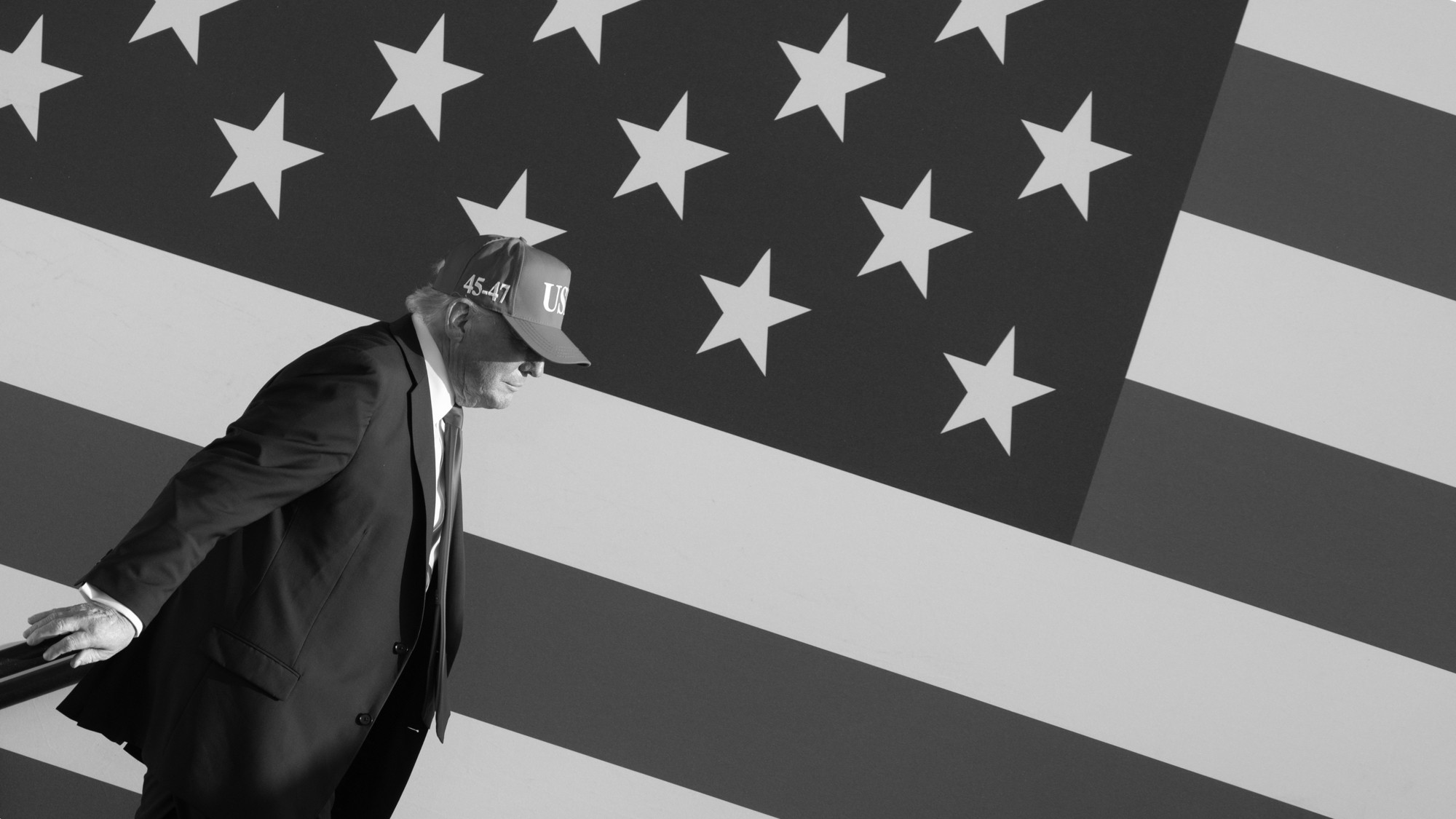
The political landscape has shifted significantly, particularly under the Trump administration. While it's challenging to separate Trump's personal approval ratings from public opinion on specific policies, the old consensus may no longer hold. Several factors could explain this change.
First, the overall tax burden has decreased substantially since Reagan took office. In 1980, the top marginal individual tax rate was 70 percent, compared to 37 percent in 2024 for income exceeding $609,350. The average effective tax rate for the top 1 percent and 0.01 percent of earners has dropped significantly, while remaining relatively stable for the average taxpayer. Similarly, the corporate tax rate has fallen from 52.8 percent in 1968 and 1969 to 21 percent in 2024.
Second, income inequality has risen sharply. Although the gap between the wealthiest Americans and the rest has stabilized in recent years, it remains well above historical averages. Voters are increasingly unwilling to support policies that benefit the rich at the expense of the poor, especially when tax cuts are paired with cuts to social programs like Medicare and Medicaid.
Third, the argument that tax cuts generate enough economic growth to pay for themselves—known as the Laffer Curve—has been widely discredited. Reagan’s, Bush’s, and Trump’s tax cuts did not pay for themselves, and the same is expected for current proposals. Moreover, concerns about the national debt and deficit have grown, even among liberal economists who previously downplayed these issues.
Despite this, there is a clear reluctance among politicians to raise taxes. Most Republicans have pledged not to increase taxes, while Democrats have focused on raising taxes on the wealthy without extending this to others. This creates a difficult balancing act, as the country faces the need to address the national debt, maintain social services, and keep taxes low.
Looking ahead, the challenge will be finding a solution that satisfies all these demands. It will require a bold leader to navigate the complex relationship between taxes, debt, and public services. Until then, the political landscape will continue to evolve, shaped by shifting public opinions and the realities of fiscal policy.

Post a Comment for "Americans Lose Enthusiasm for Tax Cuts"
Post a Comment