American Airlines Warns Of Flight Attendants' Secret Money Scheme
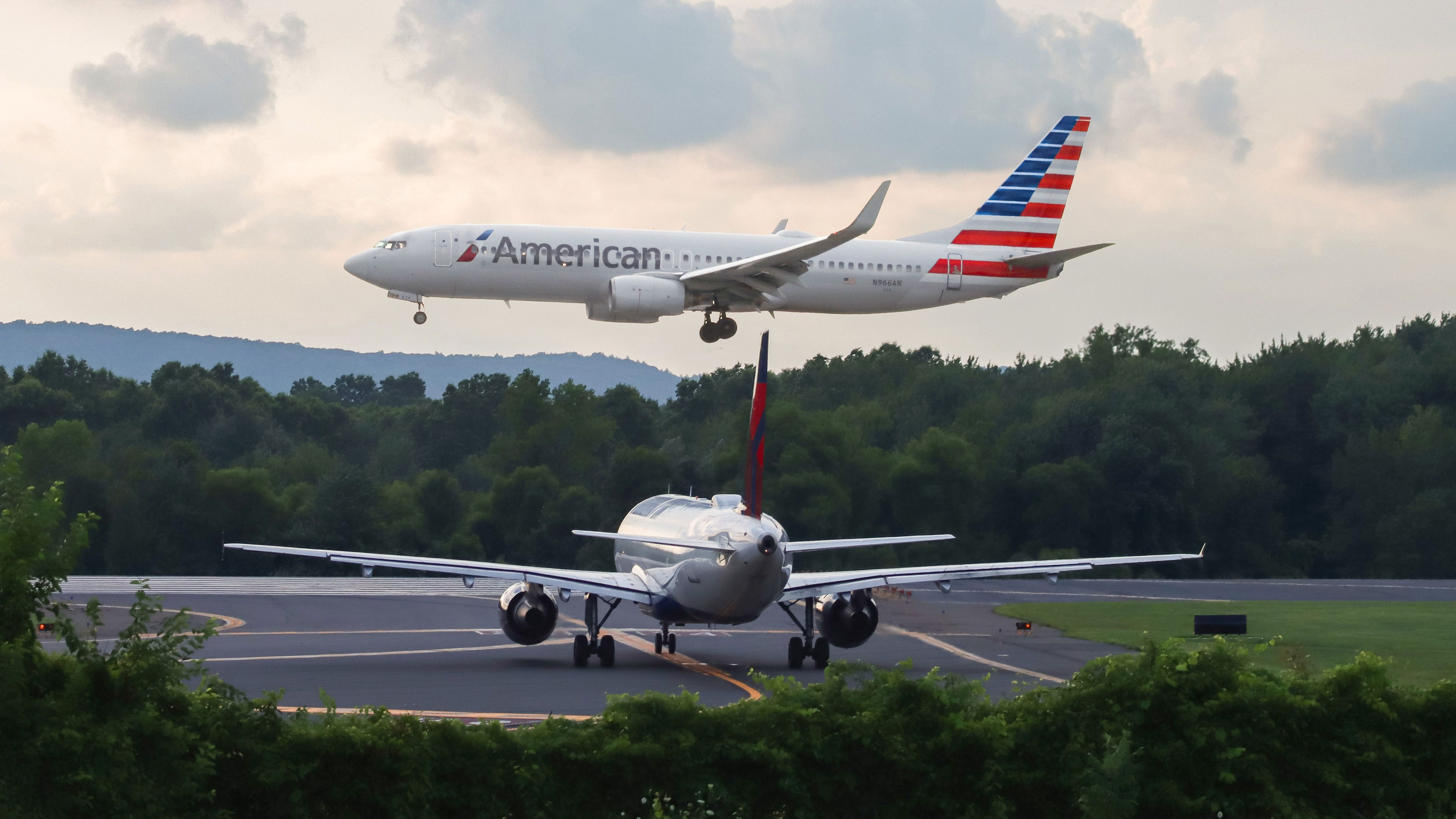
American Airlines Introduces New Policies and Route Changes
American Airlines has been making headlines with a series of significant changes, including policy crackdowns and route alterations. Among the most notable updates is the introduction of new routes for next year, one of which includes a Canadian destination that has been strategically chosen. Despite previous boycotts, the airline has launched a new route to Quebec, a decision that aligns well with last year's tourism numbers. This move highlights American Airlines' ability to make informed decisions in the face of challenges.
On the other hand, the airline has also implemented a strict policy that has sparked controversy. In May, American Airlines issued a memo warning flight attendants about accepting money for traded trips. The policy crackdown has led to the termination of a flight attendant, causing mixed reactions from both the public and the Association of Professional Flight Attendants.
Understanding the Policy Crackdown
The policy in question revolves around trip bidding, a system where more experienced flight attendants can bid on trips based on their seniority. However, allegations have emerged that some flight attendants were using secret code words to trade trips for a price. American Airlines addressed this issue in a memo, stating that trips are company property and cannot be bought, sold, or brokered. The memo emphasized that any attempt to profit from trip trading violates the integrity of the bidding system and business conduct standards.
Months after the warning, an employee was terminated due to the ongoing crackdown. While some support the decision as necessary, others, including the Association of Professional Flight Attendants, have criticized the handling of the situation. The union argues that the firing was not handled progressively and that essential steps were skipped before taking such a severe action.
Reactions from the Association of Professional Flight Attendants
The Association of Professional Flight Attendants expressed strong disapproval of the termination, claiming that discipline should be progressive and allow flight attendants a chance to correct their behavior. They pointed out that the rule was recently enforced, and skipping the necessary steps was a violation of just cause and due process. The union also suggested that American Airlines should focus on solving operational issues rather than punishing how someone drops a trip.
In response, the association called for a halt to the lack of discipline in the decision-making process. They believe that the airline should prioritize support over punishment and address the real issues affecting its operations.
Public Reaction and Online Discussion
Online, reactions to the incident have been mixed. Some users have focused on the willingness of flight attendants to pay for work, while others have suggested creating a reward system for junior flight attendants who take on covered trips. Although American Airlines has a tier system related to points, it does not provide incentives for such behavior.
American Airlines’ Policy and Performance Framework
American Airlines has established a policy framework for its flight attendants, including a "Levels of Correction Action" system. This tier-based approach outlines different levels of corrective actions and consequences. Here’s a breakdown of the points system:
- Base Level: The flight attendant is on no level of corrective action.
- Level One: 4 points; corrective action may be issued, and a meeting is strongly encouraged.
- Level Two: 7 points; corrective action may be issued, and a meeting is strongly encouraged.
- Final Warning: 9 points; corrective action may be issued, and a meeting is required.
- Termination: 11 points; could result in termination, and a meeting is required.
Flight attendants are also encouraged to contact the Crew Attendance Manager if they encounter issues with attendance or dependability scores. Enhancing this system by introducing rewards for high scores, especially for younger attendants, could be a positive step forward.
Final Thoughts
The recent developments at American Airlines highlight the complexities of managing a large workforce while maintaining operational efficiency. The policy crackdown has raised important questions about fairness, due process, and the balance between discipline and support. As the airline continues to navigate these challenges, it will be interesting to see how it addresses the concerns raised by its employees and the broader public. What are your thoughts on the flight attendant scheme? Is a crackdown necessary, or should flight attendants have the right to trade off their trips? Share your views below.

Post a Comment for "American Airlines Warns Of Flight Attendants' Secret Money Scheme"
Post a Comment