Amazon jambu merges tradition and science for numbing flavors and health benefits
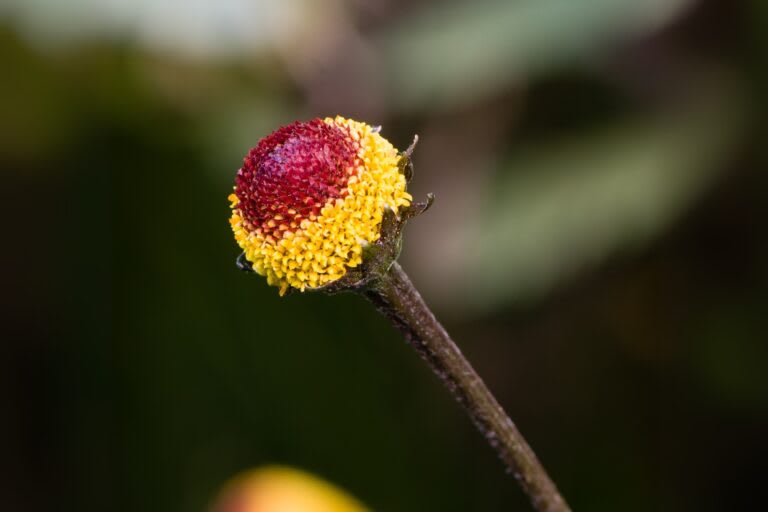
The Versatile Jambu Plant and Its Role in Brazil’s Bioeconomy
The jambu plant, native to the Amazon Rainforest, is known for its unique tingling and numbing effect when consumed. This characteristic has made it a staple ingredient in many northern Brazilian dishes and drinks, as well as a traditional remedy used by Indigenous communities across the region. However, the benefits of this plant extend far beyond its culinary and medicinal uses. Recent studies have highlighted its potential to become a key component of Brazil’s growing bioeconomy, driven by researchers who are transforming local biodiversity and traditional knowledge into sustainable products with significant socioeconomic impact.
One of the leading initiatives comes from scientists at the Supercritical Technology Laboratory (Labtecs) at the Federal University of Pará (UFPA). Since 2019, they have been exploring new applications for jambu-based products, drawing on techniques rooted in Indigenous knowledge. Their work has led to the development of several innovative products, including a fast-dissolving oral film that helps relieve dry mouth in cancer patients, an anti-aging facial cream, an intimate lubricant, and gels with stimulating effects. Researchers are also investigating its potential for addressing irregular heartbeats, further expanding its medical applications.
“It has truly unique characteristics,” said Ana Paula Silva, a food science and technology researcher at UFPA. “It’s an incredibly versatile plant with applications in cosmetics, medicine, and functional foods. Very few native species offer such a wide range of possibilities.”
The Science Behind Jambu’s Many Uses
Jambu is widely used in the Brazilian Amazon for both traditional medicine and cuisine. In Pará, one of Brazil’s Amazonian states, it plays a key role in local dishes like tacacá, an aromatic soup made with fermented manioc root broth, dried shrimp, and jambu leaves. The plant’s tingling effect is attributed to spilanthol, a bioactive compound found throughout the plant, especially in the flower buds. Spilanthol has natural anesthetic, anti-inflammatory, and salivation-stimulating properties.
For centuries, both Indigenous and non-Indigenous communities have used jambu in herbal teas, pain relief for conditions like toothache, and even in fishing—where the anesthetic effect temporarily stuns fish, making them easier to catch. Remedies are typically prepared from the plant’s leaves or flowers, either alone or mixed with other ingredients, and have been used to treat ailments ranging from indigestion and bladder stones to liver problems, respiratory issues, and even anemia and scurvy.
While these uses stem from ancestral knowledge, scientific research is now validating their effectiveness. Studies conducted at the Guamá Science and Technology Park (PCT) in Belém confirm that spilanthol interacts with nerve receptors to provide temporary pain relief, enhance circulation, and reduce inflammation. Investigations have also revealed that the compound may help prevent arrhythmia, offering potential cardiovascular benefits.
Jambu and the Bioeconomy
The development of jambu-based treatments is part of Brazil’s broader push toward a bioeconomy model, which leverages Amazonian biodiversity to create sustainable medical and commercial products. This approach aims to provide profitable solutions while preserving the rainforest and protecting it from exploitative activities like logging or mining.
In Pará, the bioeconomy has shown promising growth. According to a study by The Nature Conservancy, the state’s bioeconomy grew by an average of 8.2% per year from 2006 to 2019. The study suggests that with continued investment, innovation, and policy support, revenue from the bioeconomy could increase 30-fold by 2040, generating 170 billion reais ($31.5 billion) annually.
Pará has launched its Bioeconomy Plan (PlanBio), a detailed roadmap to transform the Amazon’s biodiversity into a sustainable economic system. The initiative focuses on strengthening value chains for forest-sourced products like jambu, açaí, and copaíba, aiming to build a low-carbon economy that preserves forests and empowers Indigenous, quilombola, and other traditional communities.
“Our vision of the bioeconomy goes beyond sustainable production and climate resilience,” the plan states. It includes actions related to green infrastructure, job creation, and low-carbon socioeconomic growth, ensuring the security of genetic heritage and the protection of traditional knowledge and culture.
Turning Local Knowledge into Wealth
Alfredo Homma, a senior researcher at Embrapa, emphasizes that using science to elevate traditional knowledge and promote sustainable cultivation is essential for driving economic growth and conservation. “If it’s based solely on traditional empirical knowledge, we’ll remain poor,” he said. “Modern laboratories and trained researchers are needed to transform Amazonian biodiversity into wealth.”
Jambu exemplifies this approach. Unlike industries that require deforestation, jambu grows in home gardens and small farms, relying on traditional farming techniques. Scientific research supports local communities by promoting sustainable use among smallholder farmers, helping generate jobs and income. It also encourages local processing and value addition, keeping more of the production chain within the region.
“Science doesn’t replace this [traditional] knowledge—it recognizes and amplifies it,” Silva said. “It values what local and Indigenous communities have always known.”

Post a Comment for "Amazon jambu merges tradition and science for numbing flavors and health benefits"
Post a Comment