Alex Brummer: Buyout Grocers Suffer Under Debt Weight
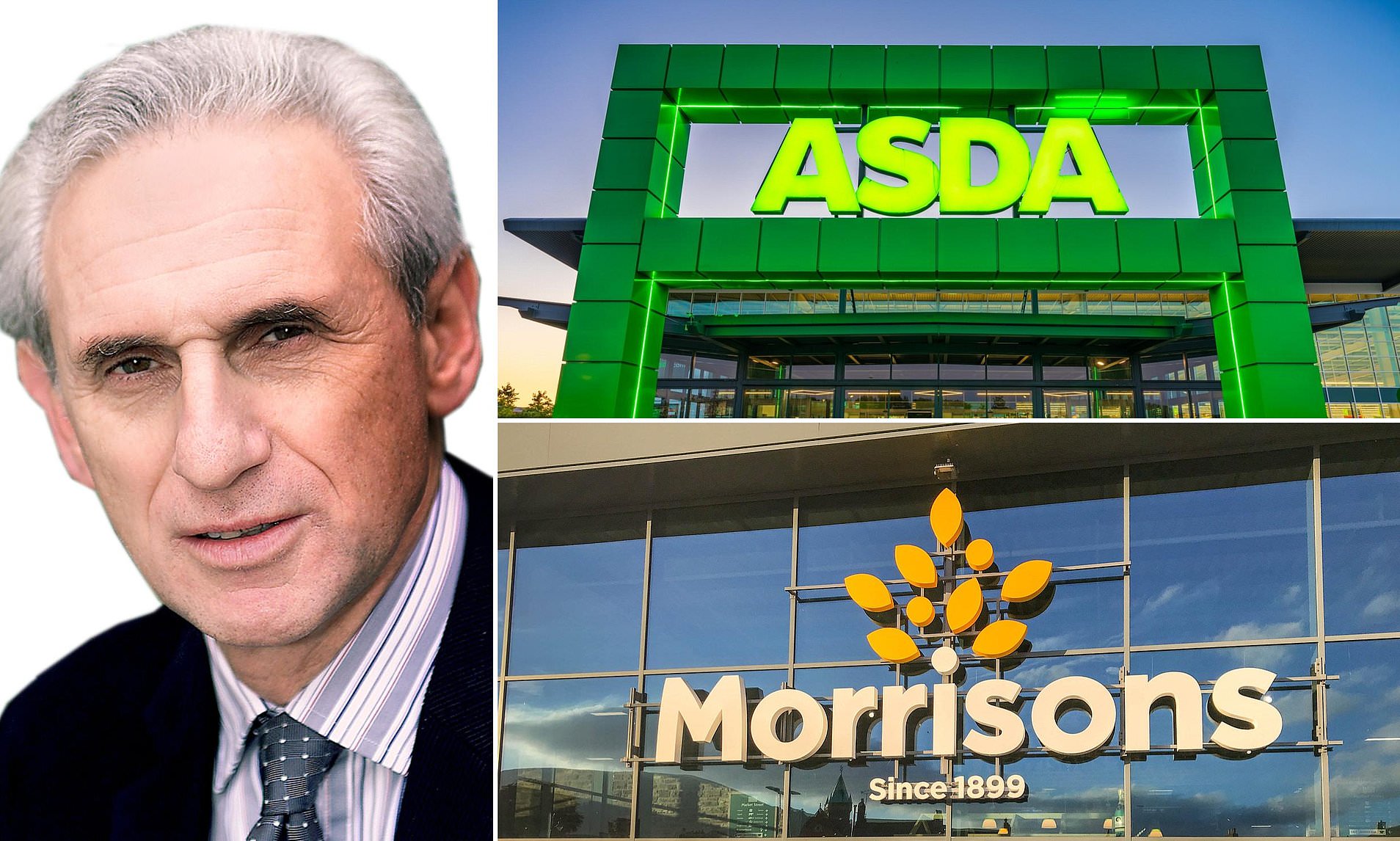
The Impact of Private Equity on Grocery Retailers
In the world of private equity, some deals have proven to be disastrous, particularly those made in the grocery sector during the pandemic. Two of the most ill-timed acquisitions were for Asda and Morrisons, both of which ended up with massive debt burdens that hindered their ability to compete effectively.
At the time of these acquisitions, there was a lot of ambition and optimism. However, the reality has been far more challenging. Both supermarkets now face significant financial hurdles, making it difficult for them to match the pricing strategies of their competitors. This situation has allowed other major players like Tesco to gain a substantial market share.
Tesco's Dominance and Strategic Moves
Tesco has capitalized on its strong buying power and ability to offer lower prices, which has helped it secure a 28.3% share of the grocery market. This dominance continues to grow rapidly as the company adapts to changing consumer needs and market conditions. Its success is a testament to the importance of competitive pricing in the current retail landscape.
Meanwhile, German-owned retailers Aldi and Lidl have also made significant strides. These companies leverage their European-wide buying power and focus on own-brand products to set the pace for price competition. With food inflation on the rise, they have become key players in shaping the market.
Sainsbury's Strategic Investments
Sainsbury's, with a market share of 15.1%, has taken a different approach by investing in price matching on a core range of goods, particularly against Aldi. This strategy has proven effective, as evidenced by recent data from Kantar, which highlights the challenges faced by private equity-controlled Asda and Morrisons.
Asda, under the leadership of veteran Allan Leighton, has experienced a decline in sales, with year-on-year sales down by 7%. On the surface, Morrisons appears to be performing better, with a 1% increase in sales. However, this may not tell the whole story.
Morrisons' Unique Model and Challenges
Morrisons, led by CEO Rami Baitieh, has taken steps to reduce its debt levels from £8.5 billion to £3.8 billion through asset sales, including its petrol forecourts. Despite this progress, the company's unique "farm to fork" model comes with higher costs compared to its competitors. The operation of its famous "marketplace" style counters, which sell everything from bread to fish, is more expensive due to increased wastage and staff costs.
Industry estimates suggest that shopping baskets can be up to 7% more expensive at Morrisons, which poses a significant challenge in a market where price is a critical factor. While the company's model is admired, it may ultimately lead to slower growth compared to competitors like Aldi.
Asda's Strategic Position
In contrast, Asda, despite declining sales, is in a stronger position. A smart deal by private equity group TDR allowed it to acquire a 22.5% stake from the Issa Brothers at a bargain price, estimated at £500 million in June 2024. This move, combined with lower legacy interest rates, has provided Asda with a competitive edge.
Asda's stores feature in-store concessions such as pharmacies, optician counters, Greggs, Music Magpie, and more, giving it a marketing advantage over competitors. Additionally, the company is expanding its convenience store presence and has part ownership of EG fuel forecourts.
Walmart, a cornerstone investor, retains a 10% stake in the group, further strengthening Asda's position in the market.
Lessons from the Market
The bidding wars for Asda and Morrisons, which initially drove up acquisition costs and debt levels, proved to be a costly mistake. Private equity firms often claim that they can make tough decisions away from the scrutiny of listed companies. However, they underestimated the rapid changes in the post-pandemic and Ukraine war markets, where low prices driven by Aldi and Lidl became a dominant trend.
Tesco and Sainsbury's quickly adapted to these changes, while the debt burden significantly impacted the ambitions of both Asda and Morrisons. The lessons learned from these experiences highlight the importance of strategic planning and adaptability in the ever-evolving retail landscape.

Post a Comment for "Alex Brummer: Buyout Grocers Suffer Under Debt Weight"
Post a Comment