Alaska's DOGE Move: What Dunleavy's Efficiency Order Means
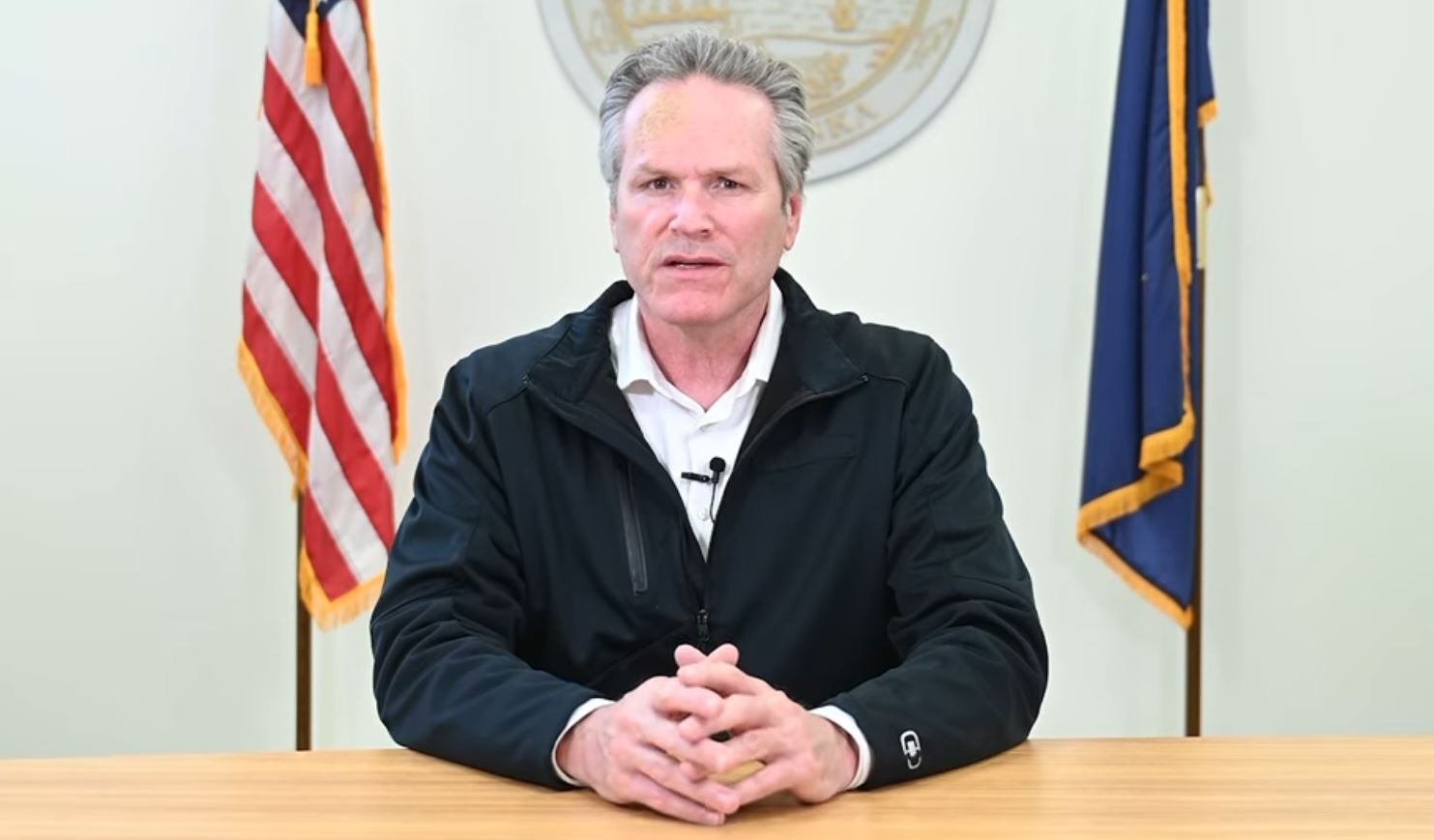
Governor's New Initiative Aims to Boost Government Efficiency and Transparency
In a significant move, Governor Mike Dunleavy has launched a new initiative aimed at improving the efficiency and transparency of Alaska’s government. This initiative, implemented through two administrative orders that took effect on Monday, is designed to ensure that state resources are used in the most effective and responsible manner possible.
The governor emphasized that Alaskans expect their government to deliver essential services efficiently and responsibly. The initiative focuses on prioritizing critical needs, eliminating waste, and safeguarding the state’s financial stability. According to the press release announcing the initiative, the Office of Management and Budget (OMB) will lead an annual “executive branch-wide Government Efficiency Review of base budget expenditure.”
This review will examine potential savings, recommend services that could be contracted out, modernize IT solutions, and focus the state’s limited workforce where it is most needed. Additionally, the OMB will publish an annual list of funds granted, including details on which agencies received them, the entities they were granted to, and the reasons for the grants.
Focus Areas and Potential Changes
The initial areas of focus include grants to non-state entities and accounts payable. Agencies will also be required to use technology and artificial intelligence to improve transparency and accountability in how public money is spent. While the initiative aims to enhance efficiency, it also seeks to reduce spending by minimizing administrative overheads, prioritizing responsible resource development, and eliminating waste.
One specific target mentioned in the orders is the eradication of preferential spending on diversity, equity, and inclusion initiatives. This approach mirrors actions taken by the Trump administration, according to some critics. However, the language surrounding what will be cut remains largely vague, with no clear specifics provided.
A second order focuses on the transparency and efficiency of the state’s regulations. It aims to streamline permitting processes within the Department of Natural Resources, the Department of Environmental Conservation, and the Department of Fish and Game. This order is implemented by the Department of Law and includes a call for public feedback on changes to regulations and how they could be reorganized or simplified.
Political Reactions and Concerns
Some legislators have expressed concerns about the timing of the initiative, especially given that it comes during the final year of the governor’s tenure. Sen. Bill Wielechowski noted that while the initiative aims to make government more efficient, it raises questions about why such efforts were not made earlier. He suggested that the move might be an attempt to generate positive news after recent challenges.
House Minority Leader Mia Costello, however, argued that the governor is pursuing his policy objectives throughout his entire administration. She pointed out that Wielechowski was also nearing the end of his term when he raised these concerns.
Costello highlighted that the initiative is designed to be similar in focus to the federal Department of Government Efficiency (DOGE), which was led by Elon Musk. She noted that the initiative would involve input from state employees, who are considered the “boots on the ground” for implementing changes.
Impact on State Employees and Future Plans
While the governor’s office did not directly address whether layoffs would be part of the efficiency process, it did mention that outsourcing labor could be a tool. In some areas, this may result in eliminating grants to non-State entities, while in others, it could involve contracting with specialists who can provide superior value.
Wielechowski, however, does not believe layoffs will be a result of the initiative. He pointed out that there are significant vacancies in key areas, such as permitting, audits, and natural resource management. He argued that the focus should be on filling these positions rather than cutting jobs.
Financial Challenges and Legislative Context
The need for efficiency comes amid declining oil prices, which have impacted state revenues. The governor’s order highlights that state savings accounts now hold only enough reserves to fund seven months of government operations. This financial pressure was also a factor in the governor’s veto of $51 million in education funding, which was later overridden by the legislature.
The efficiency plans come just days after the state legislature overrode two of the governor’s vetoes, including the education funding veto and another on a bill to make the oil and gas tax audit process more transparent.
Future Implications
Many of the deadlines for the efficiency initiative lie outside the governor’s current term, meaning the next administration will have to continue the work to finalize its goals. The press release states that agencies must reduce regulatory requirements by 15% by the end of 2026 and 25% by the end of 2027.
Alaska’s News Source reached out to all candidates for governor to comment on the initiative and whether they would continue it if elected. Only Matt Heilala responded, stating that transparency in budgetary items, spending, and revenues is critical to efficiency. He emphasized the need to address organizational entropy and bloat.
With several candidates already filing paperwork to run for governor in 2026, the future of this initiative remains uncertain. The next administration will play a crucial role in determining its success and long-term impact on Alaska’s government operations.

Post a Comment for "Alaska's DOGE Move: What Dunleavy's Efficiency Order Means"
Post a Comment