AI's Human Impersonation Worries Sam Altman, But OpenAI Resists Regulation
Sam Altman's Visit to Washington: Balancing AI Innovation and Regulation
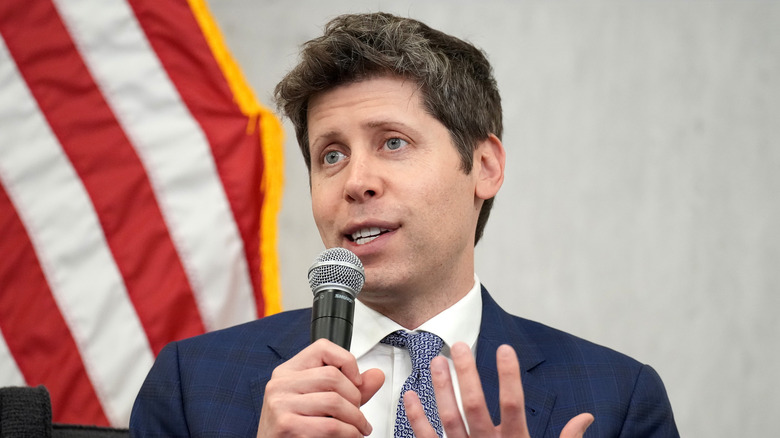
OpenAI CEO Sam Altman is currently in Washington, D.C., engaging with U.S. officials to advocate for a regulatory framework that supports the responsible development and use of artificial intelligence. His visit comes at a critical time as AI technology continues to evolve rapidly, raising both opportunities and concerns.
Altman has emphasized the importance of AI tools like ChatGPT, which have become essential for users around the world. He acknowledges the potential threat AI poses to jobs but remains optimistic about its long-term benefits, particularly in democratizing access to powerful technologies. This balanced approach reflects his belief in the need for careful yet progressive regulation.
The Need for Government Support
OpenAI’s primary goal during this visit is to secure government backing to advance AI development. This includes incentives for building AI infrastructure within the United States and relaxing regulations to allow faster innovation. However, this stance seems to conflict with some of Altman’s recent public warnings about the risks associated with AI.
During a recent appearance at the Federal Reserve, Altman expressed concerns about the potential for AI to be misused, particularly in the form of an "AI fraud crisis." He highlighted the dangers of AI-generated voice impersonations, which could be used to deceive financial institutions and individuals alike. For example, he pointed out that some banks still rely on voice authentication, a method that could easily be bypassed by AI.
Understanding the AI Fraud Crisis
Altman described the current situation as alarming. He explained that AI has already surpassed many traditional forms of authentication, except for passwords. While ChatGPT offers an advanced voice mode, it does not support voice cloning. However, other AI services may offer such capabilities, posing significant risks if misused.
The potential for AI to clone voices and even create lifelike videos is a growing concern. Altman warned that these threats are not limited to voice calls; they could soon extend to video interactions that are indistinguishable from reality. Although tools like Google’s Veo 3 in Gemini include safeguards against abuse, the risk remains real.
OpenAI’s Stance on Regulation
Despite his concerns, Altman has not called for stricter government oversight. Instead, OpenAI is pushing for a more flexible regulatory environment that allows U.S. AI companies to compete globally, especially against Chinese firms. The company proposes a voluntary partnership between the government and private sector, aiming to reduce burdensome regulations that could hinder innovation.
OpenAI also advocates for allowing AI firms to train models on copyrighted material while protecting the rights of content creators. Additionally, the company supports improved infrastructure and encourages the U.S. government to adopt AI technologies in its operations.
Protecting Yourself from AI-Related Threats
As AI becomes more integrated into daily life, users must remain vigilant. Internet users should avoid sharing personal data or transferring money without verifying the authenticity of requests. For instance, never send money via PayPal or Venmo to someone claiming to be a friend or family member without confirming their identity.
PayPal and Venmo are already using AI to detect and prevent scams, but users should still exercise caution. It is also important to avoid providing personal information to AI chatbots, especially advanced tools like ChatGPT Agent. Always stay involved in online transactions, even if a chatbot assists with adding items to your cart.
Staying Informed and Prepared
Staying informed about AI developments is crucial. Future tools may help verify human identity in various contexts, such as banking or healthcare. One such tool, The Orb, is being supported by Altman and aims to provide proof of humanity in an AI-driven world.
As AI continues to shape our lives, balancing innovation with security will be key. Users, businesses, and governments must work together to ensure that AI is used responsibly and ethically.

Post a Comment for "AI's Human Impersonation Worries Sam Altman, But OpenAI Resists Regulation"
Post a Comment