Airplane Mode Explained: Why It Matters on Flights
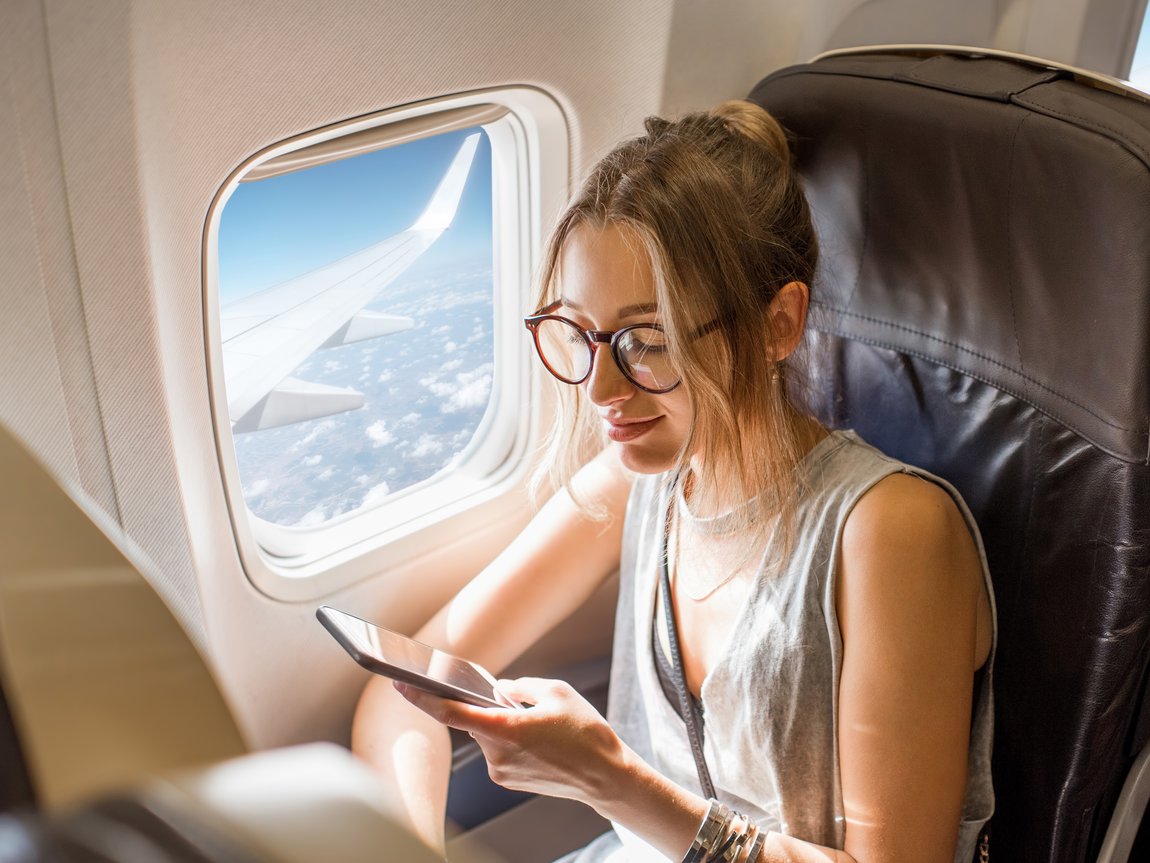
The Evolution of Mobile Phone Use on Airplanes
In the past, mobile phones were generally not allowed to be used on airplanes. However, those times have long since changed. The familiar instruction to turn off electronic devices like smartphones or put them in airplane mode is often only heard during takeoff or landing. What happens if you don't comply?
Many Have Already Used Their Phone Without Airplane Mode
According to a survey by the digital association Bitkom released in June, 42 percent - nearly half of German respondents - admit to having secretly used a device without airplane mode. In the age group of 16 to 29-year-olds, it's even 54 percent, while only 18 percent of those 65 and older have done so.
While turning off devices or switching them to airplane mode is a precautionary measure, passengers don't need to fear an immediate crash just because someone on board is using a smartphone. "Airplane mode is intended to prevent electronic devices from interfering with onboard technology and radio communications," explains Dr. Sebastian Klöß from Bitkom in a statement.
That's When the Autopilot Relies on This Signal
In fact, airplane mode should be activated, even if there's usually no danger. "Basically, we have to say it's not dangerous because, of course, the aircraft is designed with redundancy. So all systems exist multiple times and are naturally isolated against external influences," explains pilot Felix Möcke to "Bayern 1" radio station.
According to him, "about two or three years ago, when 5G was approved in the USA," there was a case where "the aircraft's radar altimeter and these 5G waves were transmitting on the same wavelength." This apparently led to interference. "It resulted in false readings in the cockpit. This isn't necessarily a huge problem initially. But when we're landing automatically in fog, for example, in bad weather, then the autopilot relies on this signal." In Europe, however, this is ruled out because different frequencies are used.
Extra Caution Is Needed Especially in Foggy Conditions
Extra caution is needed especially in foggy conditions. In an Instagram post by NDR2 from June, which was also published on Möcke's account "pilot.flying_felix," he is quoted as saying: "In foggy conditions, we need the [radar altimeter]. If it provides incorrect data, we can't land and must abort the approach - that's when phones should be in airplane mode."
EASA: Devices Can Usually Be Used
The European Union Aviation Safety Agency (EASA) significantly relaxed regulations for mobile phone use on airplanes in 2014. "The new guidelines allow airlines to permit PEDs to remain switched on without being put into 'airplane mode'," was stated more than ten years ago in an announcement. PEDs refers to "portable electronic devices," such as smartphones, tablets, laptops, or e-readers. However, it was emphasized again that passengers must always follow flight crew instructions, as safety comes first.
"In most cases nowadays, we can use our laptops, smartphones, e-readers, tablets, etc. during most of the flight (with exceptions during takeoff and landing)," states the current EASA website. "However, it should be noted that portable electronic devices can interfere with aircraft equipment, which varies depending on the aircraft type. For this reason, airlines typically require you to put such devices in 'airplane mode' at all times."
Not Because of the Aircraft, Because of the Costs...
Among others, the Consumer Protection Agency points out potential costs. "If you use your phone on the plane without airplane mode enabled, for example to send vacation photos, it can become expensive for you. High roaming charges may apply," the website warns. Phones might also connect to the onboard network without users intending to do so.
Understanding the Risks and Responsibilities
Although modern aircraft are built with multiple redundancies to handle potential interference, it's still important for passengers to follow the rules. While the risk of a catastrophic failure due to a single phone is low, the cumulative effect of many devices could pose a threat. Airlines and aviation authorities emphasize the importance of adhering to guidelines to ensure the safety of everyone on board.
Passengers should also be aware of the financial implications of using their devices without airplane mode. Roaming charges can add up quickly, especially if the phone connects to a cellular network unintentionally. Additionally, some airlines offer in-flight Wi-Fi, which can be a more cost-effective option for staying connected during the flight.
By understanding the reasons behind these regulations and the potential consequences of non-compliance, travelers can make informed decisions about their device usage on airplanes. It's a balance between convenience and safety, and following the guidelines helps maintain that balance.

Post a Comment for "Airplane Mode Explained: Why It Matters on Flights"
Post a Comment