Air Traffic Control Near Disaster on Civilian Flight
The Growing Crisis in Air Traffic Control
The United States is facing a critical issue with its air traffic control (ATC) system, one that could lead to a disaster even more severe than the tragic collision in Washington, D.C. Despite the Federal Aviation Authority’s (FAA) attempts to modernize and improve the system, these efforts have been falling short. This problem has drawn attention from various figures, including Elon Musk, who previously served as head of the Department of Government Efficiency. Musk has consistently highlighted the need for urgent reforms, while the current secretary of transportation, Sean Duffy, has resisted some of these changes.
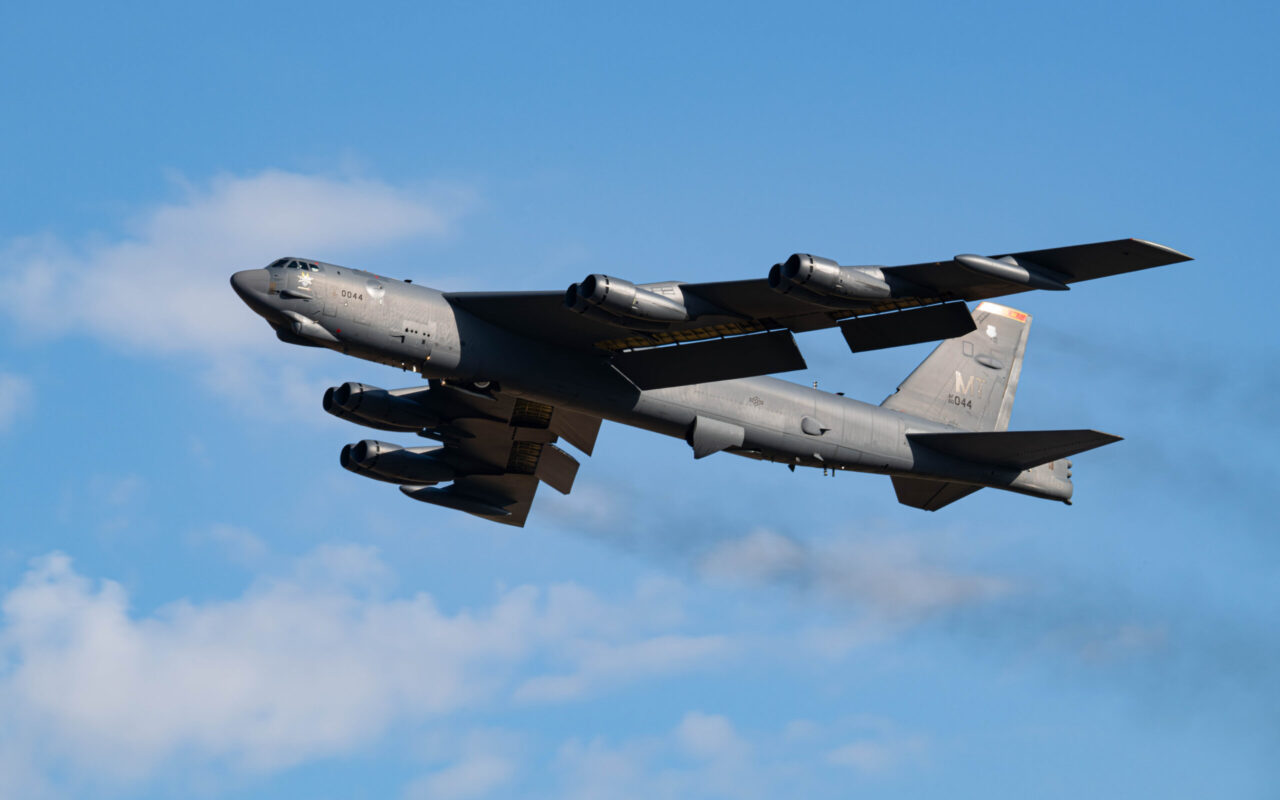
One recent incident that highlights the dangers of the current system occurred on July 18 when a U.S. Air Force B-52H Stratofortress nearly collided with a SkyWest Airlines flight over North Dakota. The event took place during the North Dakota State Fair in Minot, where thousands were gathered for festivities. A scheduled B-52 flyover was set to take place, and at the same time, the SkyWest jet was approaching Minot International Airport for landing.
As the commercial plane descended, the pilot received conflicting instructions from air traffic control—first to turn right, then left—before spotting the B-52 on a converging path. Reacting swiftly, the pilot executed an "aggressive maneuver," aborting the landing with a sharp go-around before safely touching down. The pilot later expressed frustration, stating that the FAA and Air Force had not adequately alerted him to the presence of the massive B-52H in his airspace.
Understanding the Cause
Preliminary investigations into the near-miss reveal a breakdown in communication between military and civilian air traffic controllers. Minot International Airport’s control tower, operated by a private contractor rather than FAA employees, lacks radar technology and relies solely on visual observations. Although the B-52’s flyover was pre-approved, controllers failed to alert the bomber crew about the incoming commercial flight or vice versa.
The Air Force confirmed that while plans were shared with Minot Approach Control, the tower did not relay critical information about the SkyWest jet. This lapse echoes previous incidents, such as the mid-air collision in Washington, D.C., and a near-miss in March involving Air Force T-38 jets and a Delta Airbus A319.
The Need for Change
This incident underscores the vulnerabilities in aviation infrastructure, particularly at airports near military bases. It also reinforces the urgency of Elon Musk’s calls for a complete overhaul and modernization of the ATC system. The FAA has launched an investigation to determine the exact proximity of the aircraft, with estimates suggesting they came within hundreds of feet. The Air Force is "looking into the matter," and SkyWest Airlines is conducting its own review.
Representative Betty McCollum has called for the urgent installation of radar technology at Minot to prevent future incidents in shared military-civilian airspace. While this near collision resulted in no injuries, it serves as a stark reminder of the risks posed by outdated systems.
Eventually, another collision, possibly even deadlier than the DC crash, will occur if these issues are not addressed. The need for modernization and improved communication between all parties involved is more pressing than ever. Without significant changes, the safety of both military and civilian aviation remains at risk.

Post a Comment for "Air Traffic Control Near Disaster on Civilian Flight"
Post a Comment