Air Canada Strike Traps Global Travelers Abroad
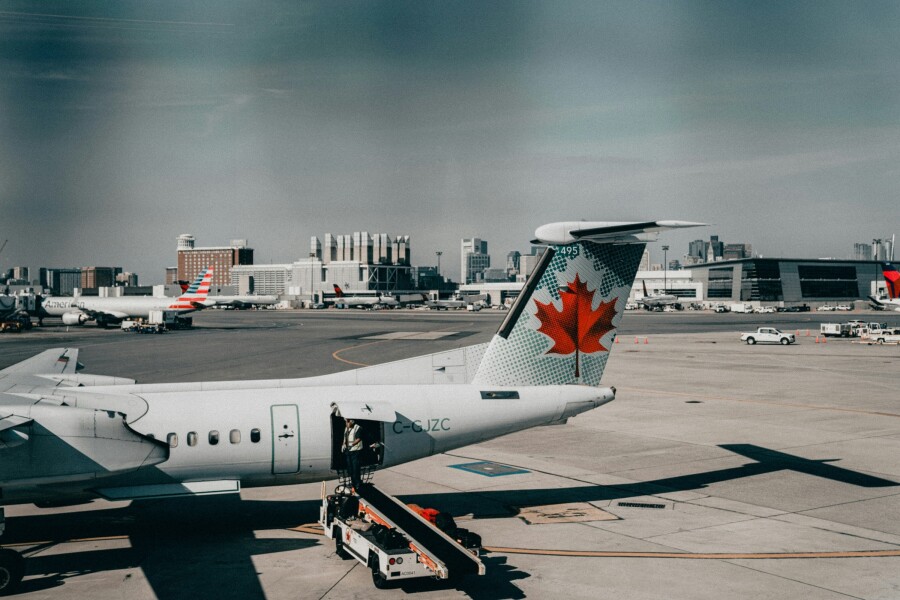
Air Canada Passengers Stranded as Strike Continues
Air Canada passengers are still stranded around the world on Monday as the airline continues to experience widespread flight cancellations. This is due to a strike by 10,000 flight attendants, which began on Saturday and has led to the grounding of all flights. The Canada Industrial Relations Board (CIRB) ruled that the strike is illegal and ordered the workers to return to their duties. However, the union representing the flight attendants has refused to comply with the directive.
The labor agreement between Air Canada and its flight attendants expired on March 31. After months of stalled negotiations, the union initiated the strike on Saturday. The Canadian government intervened quickly, requesting that the CIRB impose binding arbitration. This process involves an arbitrator who makes a final legally binding decision. On Sunday, the CIRB issued a back-to-work order for the flight attendants, but the Canadian Union of Public Employees (CUPE), which represents the workers, refused to comply. As a result, all flights scheduled for Monday were canceled, and the strike entered its third day.
The CIRB stated that the union's bargaining unit must resume their duties immediately and refrain from engaging in unlawful strike activities. The board also required the union to provide written notice to all members by noon on Monday that they are required to return to work. Despite this, CUPE has continued to defy the order.
Union Leader Stands Firm
Mark Hancock, the national president of CUPE, emphasized that the union remains open to negotiations but will not surrender its members' right to strike. He warned that Air Canada should not expect any flights to operate that afternoon. Hancock also highlighted the legal risks of defying the CIRB's back-to-work order, stating that the union is willing to face any consequences, including fines or jail time.
Hancock argued that the right to strike is a fundamental right protected by Canada's Charter of Rights and Freedoms. The union’s main concerns include what it calls "poverty wages" and unpaid labor when planes are not in the air. Flight attendants are only paid once the flight takes off, leading to significant financial strain for many workers.
Despite ongoing talks, Air Canada and the union remain at odds over wages and other key issues. The strike has caused significant disruption, with more than 2,500 flights canceled in the past week. On Monday alone, all 723 scheduled flights were canceled, including 353 domestic and 370 international flights.
Impact on Travelers
Approximately 500,000 passengers have been affected by the flight cancellations. Toronto-based journalist Jennifer Bain had her August 15 flight from Toronto to Tokyo preemptively canceled on August 14 before the strike started. She was frustrated by the lack of assistance from Air Canada, despite being able to find a new flight through Delta within minutes.
Bain supports the flight attendants’ fight for fair compensation and hopes this situation leads to industry changes. She believes flight attendants should be paid for work done before flights take off and after deplaning. Additionally, she urges airlines to automatically rebook stranded passengers instead of forcing them to find their own flights and fight for reimbursement.
Rebooking Options and Passenger Frustration
Air Canada has stated that customers whose flights have been canceled are eligible for a full refund and will be arranged with other carriers for alternative travel options. However, the Air Passenger Protection Regulations (APPR) require airlines to rebook travelers on any available flight, even if operated by a competitor, within 48 hours of the original departure time.
Kim Denness-Thomas, a playwright, faced similar frustrations when her tour manager’s flight to London was canceled. She noted that Air Canada did not inform her tour manager about the cancellation, leaving her and others in a difficult position. Denness-Thomas supports the flight attendants’ cause and believes they deserve fair pay for their work.
Christina Tunnah, head of the Americas for World Nomads Travel Insurance, advises passengers to check their insurance policies for trip interruption or cancellation coverage. She recommends keeping all documentation, including receipts and airline communications, in case a claim needs to be made.
Financial Impact
Air Canada’s stock dropped more than 1.5 percent by early Monday afternoon, reflecting the financial strain of the ongoing dispute. The airline continues to face challenges as it navigates the impact of the strike on operations and customer relations.

Post a Comment for "Air Canada Strike Traps Global Travelers Abroad"
Post a Comment