Air Canada Strike Persists Amid Government Order – Union
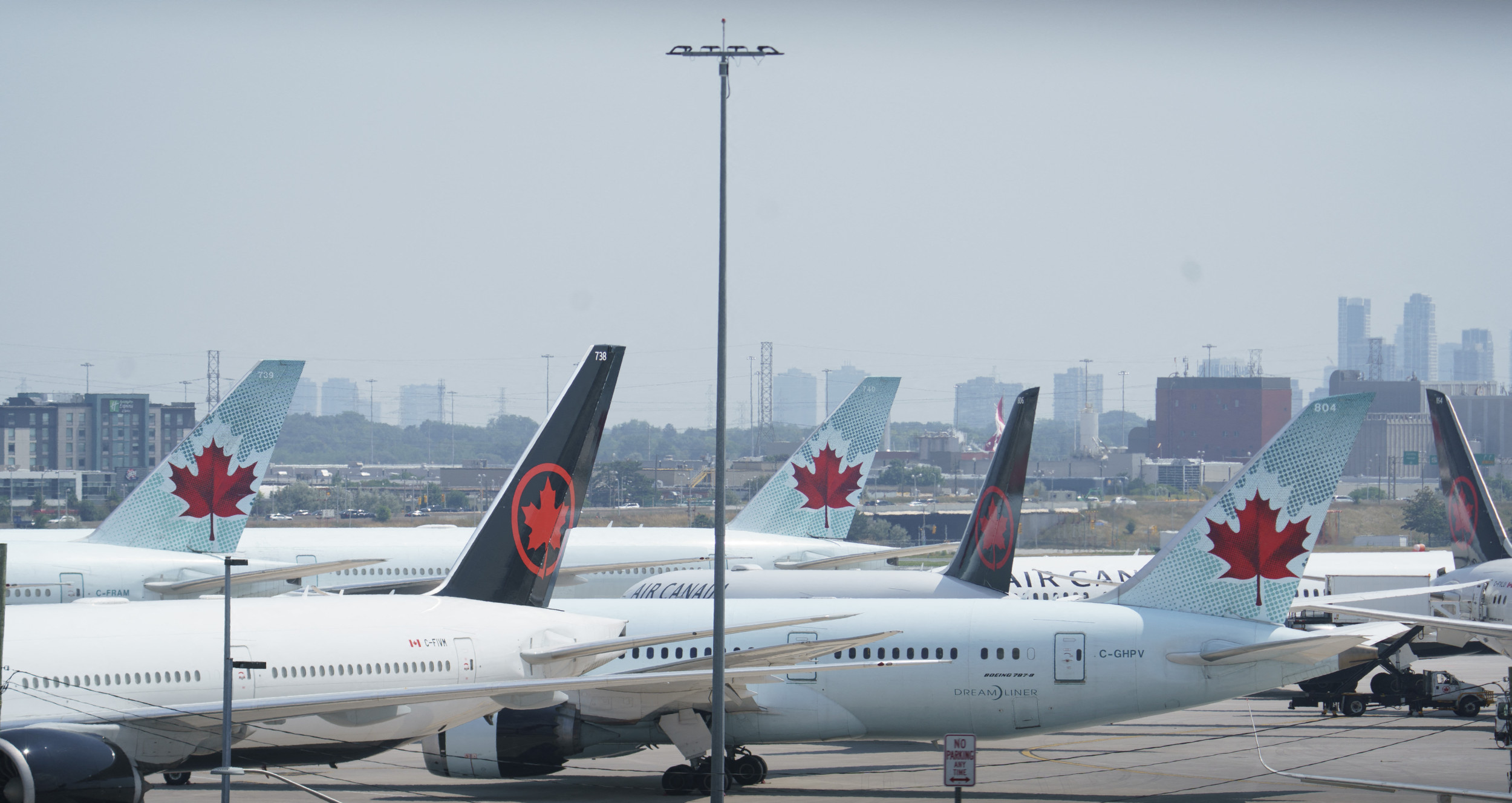
Background on the Strike
Flight attendants for Air Canada, the largest carrier in Canada, have decided to continue their strike despite a back-to-work order issued by the Canadian government. This decision was announced by the Canadian Union of Public Employees (CUPE) in a statement released on Sunday. The union has been actively involved in negotiations with Air Canada over a new contract, and the ongoing dispute has led to significant disruptions in air travel.
Impact on Travelers
The situation has had a major impact on travelers, especially during the busy summer holiday season. Air Canada started canceling flights on Friday, which forced tens of thousands of passengers to reschedule their plans or find alternative ways to reach their destinations. According to estimates from the Associated Press, around 130,000 people have been affected by these cancellations.
More than 10,000 cabin crew members walked off the job on Saturday after months of bitter negotiations over a new contract. Initially, Air Canada had planned to resume operations on Sunday afternoon, but the airline pushed this date to Monday evening due to the ongoing strike.
Key Points of the Dispute
CUPE's statement on Sunday emphasized that workers will remain on strike and urged Air Canada to return to the negotiation table. The union criticized the government's order as "blatantly unconstitutional" and stressed their demand for a fair, negotiated contract. They also called for compensation for all hours worked.
The dispute centers on wages and hourly pay when planes are not in the air. Flight attendants are seeking better compensation and working conditions, which they believe are essential for their livelihoods.
Government Intervention
Federal Jobs Minister Patty Hajdu issued an order for flight attendants to return to work, citing the need to maintain industrial peace and protect Canadians. The Canadian Industrial Relations Board extended the term of the existing collective agreement, adding another layer of complexity to the situation.
In a previous statement, CUPE mentioned that the Liberal government invoked Section 107 of the Canada Labour Code to end the strike. This section allows the government to intervene in labor disputes when it deems necessary to prevent serious harm to the public interest.
Reactions from Key Figures
Minister of Jobs and Family, Patty Hajdu, stated that she exercised her authority under Section 107 of the Canada Labour Code to direct the Canada Industrial Relations Board to arbitrate the dispute. She emphasized the importance of maintaining industrial peace and protecting Canadians during this time.
Mark Hancock, national president of the Canadian Union of Public Employees, commented outside Toronto's Pearson International Airport, saying that Air Canada refused to bargain with them and expected the government to step in and save the day.
Air Canada expressed concerns about the potential impact on customers, stating that approximately 130,000 customers a day could be affected by the disruption. This includes 25,000 Canadians who fly home from abroad each day, who could face being stranded.
What’s Next?
Air Canada and CUPE have been negotiating contracts for nearly eight months, with expectations that some terms would be reached this week. However, the situation remains uncertain. Minutes before the 2 p.m. deadline, Air Canada announced that flights would resume on Monday night. More cancellations are expected in the coming days.
Additional Updates
This article has been updated with additional information on August 17, 2025, at 2:01 p.m. ET and 1:33 p.m. ET.
Related Stories
Other recent news includes the passing of Terence Stamp, an Oscar nominee known for his role in the 'Superman' movies, who died at the age of 87. Additionally, there have been updates on Donald Trump's interactions with Vladimir Putin and his reactions to various political developments.

Post a Comment for "Air Canada Strike Persists Amid Government Order – Union"
Post a Comment