Air Canada Strike Declared Illegal as Shutdown Persists
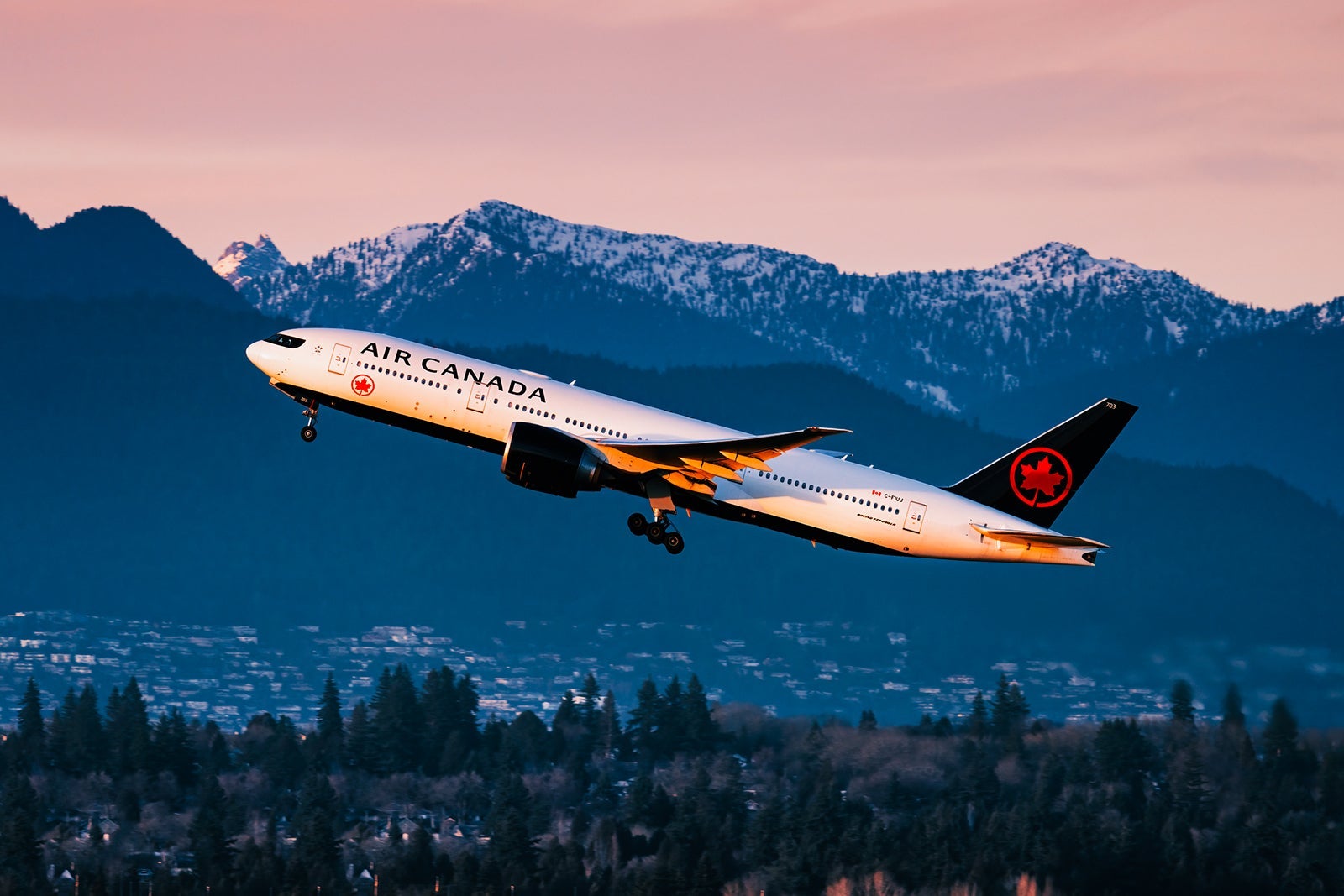
Air Canada Grounded as Flight Attendants Refuse to Return to Work
Air Canada remained grounded on Monday as flight attendants refused a government order to return to work, leading the government to declare the strike illegal. The Canada Industrial Relations Board (CIRB) issued a written statement directing members of the union's bargaining unit to resume their duties immediately and avoid engaging in unlawful strike activities.
Both Air Canada and its low-cost subsidiary, Air Canada Rouge, shut down operations on Saturday after 10,000 flight attendants walked off the job. Regional flights operated by Jazz Aviation and PAL Airlines were not expected to be affected. The labor board had previously ordered flight attendants to return to work by Sunday afternoon, but the Canadian Union of Public Employees (CUPE) refused. Air Canada initially planned to resume some operations late Sunday, but this was postponed to Monday.
It remains unclear what the airline’s plans are as of Monday afternoon, nor what actions the government might take if flight attendants continue to refuse to return to work. According to reports, union management could face arrest, while union members could face steep fines. The union has previously called the government’s attempt to end the strike through binding arbitration unconstitutional.
Even if the strike is resolved quickly, travelers should expect continued disruptions for several days. Air Canada warned that it would take several days before operations return to normal once flights resume. In a previous report, the airline's chief operating officer stated that it could take a week to fully restart operations even after a deal to end the strike.
"It's simply not the kind of system that we can start or stop at the push of a button," said Mark Nasr, Air Canada's executive VP and chief operations officer. "So in order to have a safe and orderly wind down, we need to begin now."
Air Canada typically operates more than 720 flights daily, including around 200 daily flights between the U.S. and Canada. The carrier began gradually winding down its operations last week after the CUPE issued a 72-hour strike notice. The airline expressed deep regret over the impact on customers, stating that up to 130,000 passengers would be affected each day of the stoppage.
The strike occurs during the peak of the summer travel season, just as families prepare for school to restart after the summer break. The conflict arises from a failure to reach an agreement over compensation for cabin crew, with a key issue being whether and how much flight attendants are paid when the plane is on the ground, such as during boarding and deplaning.
What Air Canada Passengers Need to Know
With little clarity on how the situation will unfold, passengers with flights booked on Air Canada should be prepared for cancellations. Air Canada issued a preemptive travel waiver allowing passengers with flights between August 15 and August 22 to change their flights to another date between August 23 and September 30 without any fare differences. Travelers can also cancel their flights altogether and receive travel credits for any unused flights in their itinerary.
If you are scheduled to travel on those dates and do not rebook, Air Canada will attempt to rebook you on a different airline, although capacity is extremely limited, and your ticket will most likely be cancelled. The airline will issue a refund once your flight is cancelled.
The airline will notify passengers if their flight is cancelled, but even if you don't receive a notification, it is advisable to double-check your flight status before heading to the airport.
United Airlines, which codeshares with Air Canada through the Star Alliance network, issued a similar travel waiver allowing customers with flights to Canada scheduled between August 15 and August 20 to rebook with no fees for travel by August 27.
Both waivers could be extended depending on the length of the strike and the time it takes for Air Canada to fully resume operations once the stoppage ends.
If your travel is disrupted, check with your travel insurance or credit card, as they may cover some incurred expenses. However, Air Canada will not cover things like hotels or meals. Canadian regulations do not consider cancellations caused by a strike to fall under the airline’s control, meaning customers are not entitled to compensation.

Post a Comment for "Air Canada Strike Declared Illegal as Shutdown Persists"
Post a Comment