Air Canada delays flight resumption following defiance of work order
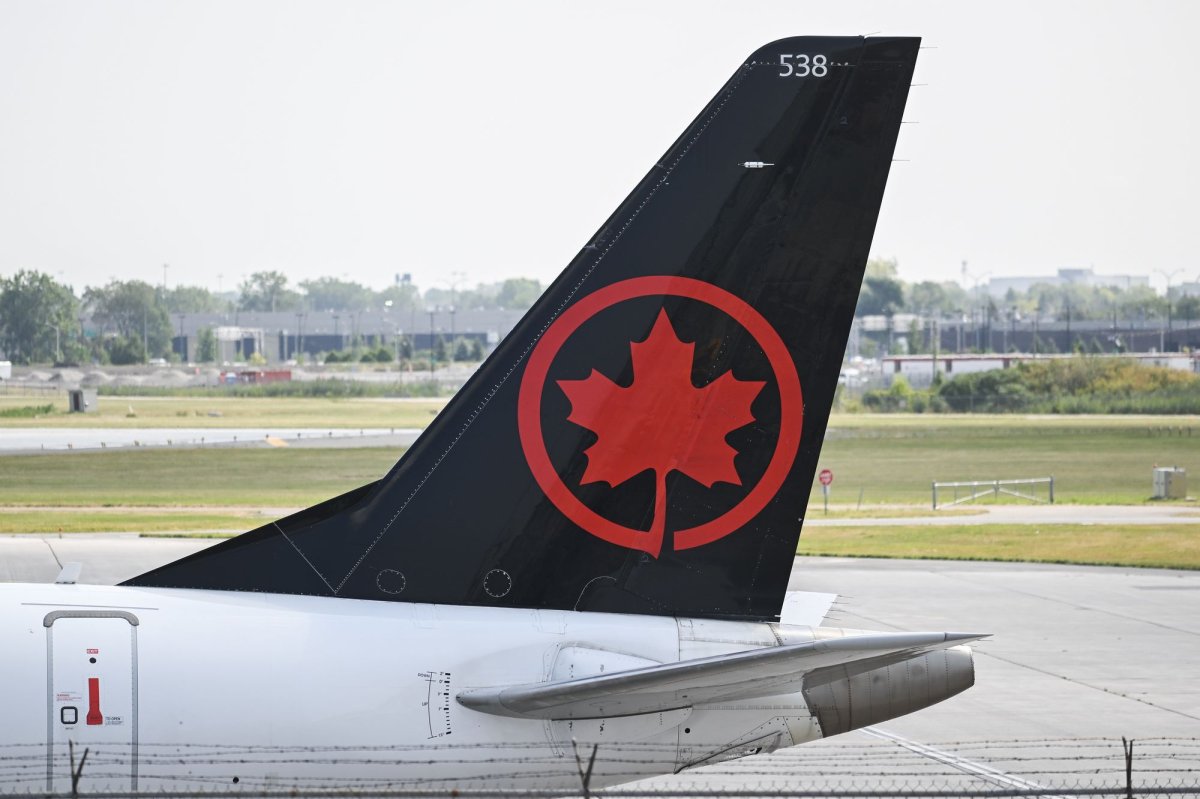
Air Canada Faces Continued Strike Amid Labor Dispute
Air Canada has delayed its plans to resume limited operations after flight attendants refused to return to work as mandated by the government. Instead of resuming service on Sunday, the airline announced that limited operations will start on Monday night.
Flight attendants with Air Canada and Air Canada Rouge were initially required to return to their shifts by 2 p.m. on Sunday. However, the 10,000 flight attendants involved in the strike have continued to walk out, marking the beginning of the labor dispute at midnight on Saturday.
The Canadian Union of Public Employees (CUPE) called for Air Canada to return to negotiations rather than relying on the federal government to resolve the issue. "We invite Air Canada back to the table to negotiate a fair deal, rather than relying on the federal government to do their dirty work for them when bargaining gets a little bit tough," the union stated.
The union also highlighted the widespread public support it has received, calling the situation an historic moment for labor rights across the country. CUPE National President Mark Hancock publicly rejected the government’s order, tearing up the directive in front of a crowd outside Toronto's Pearson International Airport.
"We will continue to fight on the picket lines, on the streets, at the bargaining table, in the courts and in Parliament, until the injustice of unpaid work is done for good," Hancock said in a statement. He added that workers will ultimately win despite efforts from the Liberal government and corporate allies.
Government Intervention and Legal Challenges
On Saturday, Jobs Minister Patty Hajdu invoked Section 107 of the Canadian Labor Code, directing the Canadian Industrial Relations Board to arbitrate the dispute. The existing contract expired on March 31, and the board was tasked with extending its terms until a new agreement could be reached.
However, the union criticized the government’s action, stating it violated the Charter rights of the flight attendants. "We will be challenging this blatantly unconstitutional order that violates the Charter rights of 10,000 flight attendants, 70 percent of whom are women, and 100 percent of whom are forced to do hours of unpaid work by their employer every time they come to work," the union said in a statement.
Air Canada accused the union of "illegally directing its flight attendants to defy a direction" from the Canadian Industrial Relations Board. The airline planned to resume approximately 240 of its normal 700 flights per day, though it would take seven to 10 days for the schedule to stabilize.
More than 130,000 travelers worldwide fly on Air Canada daily. The airline operates 170 international flights and 50 domestic routes, with an average of 430 daily flights between more than 50 U.S. airports and Canada. Air Canada Express, which includes 300 regional flights operated by Jazz Aviation and PAL Airlines, is not affected by the strike.
Impact on Travelers and Future Plans
Customers affected by canceled flights will be notified and advised not to go to the airport unless they have confirmed flights on other airlines. Those on canceled flights can receive a full refund or a credit for future travel. Air Canada will also assist with rebooking on other carriers, although capacity is limited due to peak summer travel season.
The strike began at 12:58 a.m. EDT on Saturday, with flight attendants and supporters on picket lines across Canada. The last round of negotiations took place on Friday night, and no new talks were scheduled.
"The dispute remains unresolved, and Canadians are increasingly finding themselves in difficult situations," a spokesperson said in a statement. "This decision will help ensure that hundreds of thousands of Canadians and visitors are not impacted by canceled flights. Additionally, the shipment of critical goods such as pharmaceuticals and organ tissue, over 40% of which are moved by Air Canada, should continue to reach their destinations."
Ongoing Tensions and Calls for Negotiation
The union had previously asked the jobs minister to direct both parties into binding arbitration, but the union strongly opposed the government’s order to end the strike. "This sets a terrible precedent. Contrary to the Minister's remarks, this will not ensure labor peace at Air Canada," the union stated.
Experts suggest that Air Canada has become overly reliant on government intervention to resolve labor disputes. Steven Tufts, an associate professor at York University, commented that the airline needs to engage directly with its workers instead of seeking government assistance.
Last year, Air Canada sought government involvement but eventually reached a tentative agreement with the union. Flight attendants are now demanding compensation for work performed before and after flights, as most airlines typically only pay for the hours spent in the air.

Post a Comment for "Air Canada delays flight resumption following defiance of work order"
Post a Comment