AI-Generated Sparrow Clip Tricks South Korean Users
The Rise of AI-Generated Misinformation in South Korea
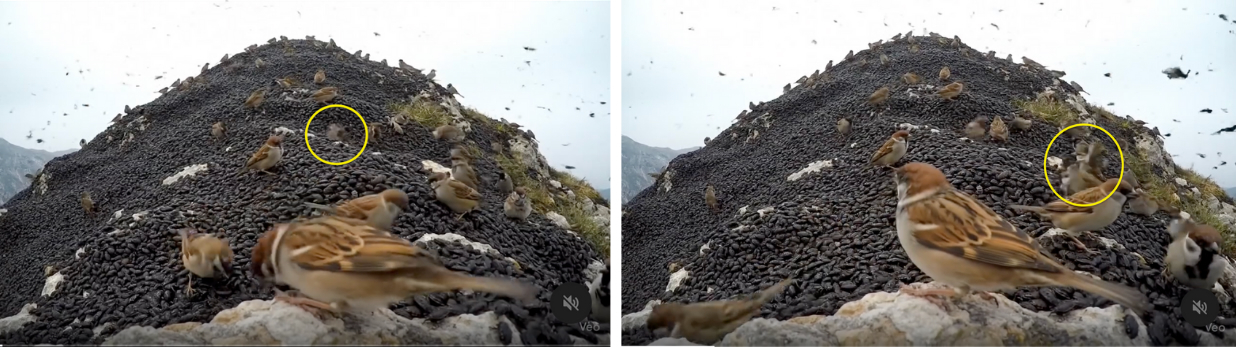
A recent surge in social media posts and online discussions has sparked confusion about a supposed natural predator of lovebugs in South Korea. These claims, which gained traction on platforms like Threads, X, Instagram, and Facebook, falsely suggested that sparrows were effectively controlling the infestation of the invasive insects. However, investigations have revealed that the video circulating online was not real but rather an AI-generated creation.
The misleading clip, which appeared to show a mountain covered in black-colored lovebugs being hunted by a swarm of sparrows, was shared widely between late June and July. This period marked one of the most significant lovebug invasions in recent years, with experts linking the increase in population to rising temperatures associated with climate change.
Lovebugs, scientifically known as Plecia nearctica, are a type of March fly that first appeared in South Korea about a decade ago. They are commonly referred to as "lovebugs" due to their mating behavior, where they fly around in pairs. These insects have become a recurring issue in Seoul and surrounding areas, causing discomfort and environmental concerns.
Reports from Seoul city data indicate that complaints about the bugs have risen sharply, particularly as they leave behind a foul stench and rotting remains after dying. Videos showing massive clouds of lovebugs blanketing mountain trails attracted international attention earlier this month, further amplifying public concern.
However, the video claiming to show sparrows attacking lovebugs was later identified as an AI-generated clip. The footage featured a clear "Veo" watermark, which is associated with Google's new AI-powered video creation tool. This tool allows users to generate realistic-looking videos, though they are currently limited to eight seconds in length—matching the duration of the misleading clip.
Experts have pointed out several inconsistencies in the video that suggest it was not genuine. For instance, a bird appears to emerge from the ground before disappearing within a few seconds, while another bird seems to pop up out of thin air. These visual anomalies are common indicators of AI-generated content.
Despite the growing capabilities of generative AI technology, identifying such inconsistencies remains a critical step in distinguishing fabricated content from authentic material. Park Hyeon-cheol, a professor at Pusan National University’s Department of Life Science and Environmental Biochemistry, emphasized that sparrows cannot be considered major predators of lovebugs. He explained that sparrows primarily feed on grains and only consume insects temporarily during their breeding season.
Furthermore, Park noted that there are not enough sparrows in big cities like Seoul to significantly impact the lovebug population. He added that the bugs naturally die off within about 10 days, making the presence of sparrows irrelevant in controlling the infestation.
The misinformation surrounding the video highlights the challenges of combating false narratives in the digital age. As AI tools become more advanced, the ability to detect and counteract fabricated content becomes increasingly important. Fact-checking efforts by outlets like AFP have been crucial in addressing similar claims about lovebugs in South Korea.
In summary, while the video may have seemed convincing, it was ultimately a product of AI technology rather than a genuine natural event. As society continues to grapple with the implications of AI-generated content, it is essential to remain vigilant and rely on expert analysis to separate fact from fiction.

Post a Comment for "AI-Generated Sparrow Clip Tricks South Korean Users"
Post a Comment